Everyone knows creatives need clear briefs. That’s table stakes. But what happens *after* the brief is signed off? How does that brilliant concept actually get produced, approved, and deployed without bleeding the agency dry or driving clients insane?
Most creative leaders assume the “business side” just… handles it. That finance, project management, and account management are separate, almost alien, departments. That operations is just a buzzword for people who don’t get to be creative.
None of that is wrong. But it’s incomplete.
The hard truth is that the operational backbone of your agency directly impacts your creative output, your client relationships, and your bottom line. Marketing operations isn’t just about spreadsheets; it’s about enabling creative excellence at scale.
1. The Myth of the Siloed Creative Team
The assumption: Creatives brainstorm, strategists plan, and then the “suits” figure out how to make it happen. This is a recipe for disaster.
In reality, the most successful creative leaders are deeply involved in understanding the *entire* lifecycle of a project. They know that the best ideas are often the most feasible ones, and feasibility is an operational concern.
Understanding the Production Pipeline
This isn't about you directing the printer. It’s about understanding the steps, the dependencies, and the potential bottlenecks *before* they derail your brilliant campaign.
- What are the standard turnaround times for different asset types?
- What are the typical approval cycles for your client base?
- What are the key handoffs between creative, production, and media?
- What are the common points of friction in client reviews?
Knowing this allows you to shape creative concepts that are not only impactful but also deliverable within realistic constraints. It means fewer last-minute scrambles and more confidence in your timelines.
The Cost of Rework
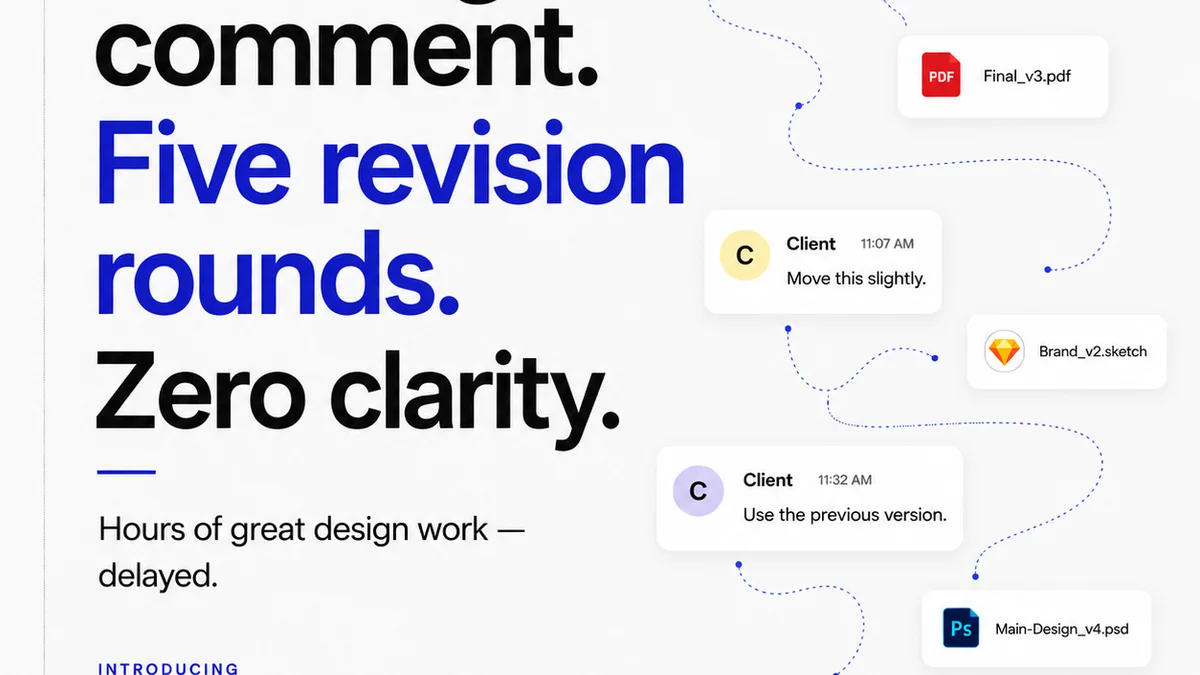
Every hour spent redoing work is an hour not spent innovating or delighting clients. This isn't just a project management problem; it’s a creative leadership problem.
Poorly defined operational processes lead to:
- Misinterpreted feedback.
- Unnecessary revisions.
- Scope creep disguised as
Frequently asked questions
What is marketing operations?
Marketing operations (marketing ops) is the discipline of aligning marketing strategy with execution. It focuses on optimizing processes, technology, data, and talent to improve marketing efficiency and effectiveness. For creative teams, it means ensuring the creative process is supported by robust systems for feedback, revisions, and delivery.
Why should a creative leader care about operations?
Creative leaders should care because operational efficiency directly impacts the quality and speed of creative output. Understanding operations allows you to deliver better work, manage client expectations, reduce costly rework, and improve profitability. It's not about doing the operations work yourself, but understanding how it enables your creative vision.
How does marketing ops relate to client feedback?
Marketing ops provides the framework for managing client feedback systematically. This includes establishing clear channels for feedback, defining approval workflows, and ensuring feedback is tracked and addressed. Efficiently managing feedback prevents miscommunication and reduces the likelihood of scope creep or endless revisions.
Can technology solve all operational problems?
Technology is a powerful enabler, but it's not a magic bullet. Effective marketing operations require well-defined processes and skilled people, supported by the right technology. Tools like Revue help centralize feedback and streamline workflows, but they must be implemented within a thoughtful operational strategy.