Everyone talks about marketing operations. It’s the engine that makes marketing teams hum. It’s about efficiency, data, and scale. Sounds like an internal thing, right?
Wrong.
Creative agencies and in-house design teams need robust marketing operations just as much, if not more, than their brand-side counterparts. If you’re not thinking about it, you’re leaving money on the table and risking client relationships.
1. The Myth of 'Creative Freedom' vs. Operational Reality
There’s this romantic notion that creativity thrives in chaos. That strict processes stifle innovation. That marketing operations is the enemy of the artist.
None of that is wrong. But it’s incomplete.
The hard truth? Unchecked chaos leads to missed deadlines, budget overruns, and unhappy clients. Creative brilliance needs a framework to shine. That framework is marketing operations.
The Hidden Costs of Disorganization
When operations are weak, the cracks show everywhere:
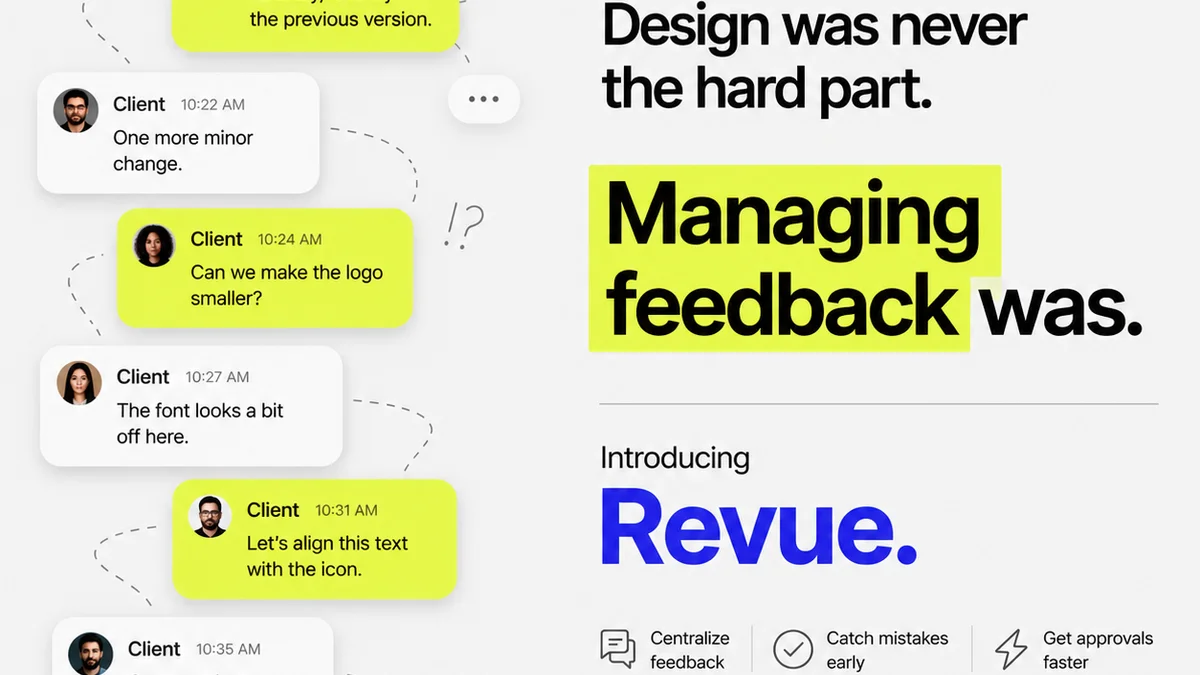
- Endless rounds of subjective feedback that go nowhere.
- Revision cycles that spiral out of control, eating up billable hours.
- Difficulty tracking project status and asset versions.
- Inconsistent client communication and expectation management.
- Missed delivery dates.
- Scope creep disguised as
Frequently asked questions
What is marketing operations in the context of a creative agency?
For agencies, marketing operations refers to the systems, processes, and tools used to manage client projects efficiently, from brief to final delivery. It encompasses feedback management, revision tracking, asset approval, and workflow optimization to ensure timely and high-quality project execution.
How does marketing operations improve client satisfaction?
By streamlining communication, providing clear visibility into project status, and ensuring consistent delivery, marketing operations reduces client frustration. Predictable processes and reliable timelines build trust and lead to happier, more loyal clients.
Can marketing operations really help a creative agency be more profitable?
Absolutely. By reducing wasted time on revisions, minimizing scope creep, and improving team efficiency, marketing operations directly cuts costs and increases billable hours. It allows agencies to take on more work without sacrificing quality or burning out their teams.
What are the first steps an agency can take to implement marketing operations?
Start by auditing your current workflows to identify bottlenecks. Then, invest in a centralized platform for feedback and approvals. Standardize your project kickoff process and establish clear communication protocols with clients.