Everyone talks about marketing ROI. They point to campaign performance, lead generation numbers, and customer acquisition costs. That’s all important, sure.
But it’s often missing the forest for the trees.
The real engine of sustainable ROI isn't just *what* you do, but *how* you do it. It’s about the often-unglamorous world of marketing operations.
The Hard Truth: Your ROI is Capped by Your Processes
You can have the best creative minds and the biggest ad budgets. If your internal processes are a mess, you're leaving money on the table. Every single day.
Think about it: missed deadlines, scope creep, endless revision cycles, scattered feedback, duplicated effort. These aren't just annoyances; they're direct drains on profitability.
They inflate costs, delay revenue, and erode client trust. That’s the hard truth.
Marketing operations isn't just about setting up the tools. It's about designing and enforcing workflows that maximize efficiency and minimize waste.
1. The Hidden Cost of Disconnected Workflows
Feedback Chaos
The most common culprit? Client feedback. It lands in emails, Slack messages, shared docs, even voicemails. Your team then has to consolidate, interpret, and action it. This is a recipe for errors and delays.
Every hour spent deciphering fragmented feedback is an hour not spent on creative work or client strategy.
Revision Roulette
Without a clear approval process, revisions can spiral. Clients might ask for changes that go beyond the original scope, or your team might spend cycles on tweaks that don't move the needle.
This isn't just about extra work; it's about opportunity cost. Those hours could have been spent on new business, proactive client work, or team development.
Status Quo Paralysis
When workflows are manual and opaque, it’s hard to know where things stand. This leads to more meetings to “get up to speed,” more status requests, and more time spent chasing information instead of doing work.
This inertia kills momentum and makes it impossible to identify bottlenecks.
2. Streamlining for Speed and Scale
Centralize Everything
Your first step is to get everything into one place. Feedback, assets, project status, approvals. Centralization is the antidote to chaos.
When information is accessible and organized, your team spends less time searching and more time doing.
Standardize Your Processes
Define clear workflows for common tasks. How is feedback collected? How are revisions managed? What are the approval gates? Document these steps.
Standardization reduces ambiguity and ensures consistency, no matter who is working on the project.
Automate Where Possible
Look for repetitive tasks that can be automated. Notifications for new feedback, reminders for approvals, even basic project setup. Automation frees up your team for higher-value work.
This isn't about replacing people; it's about augmenting them.
3. The Tangible ROI of Operational Excellence
Reduced Project Overruns
When scope is clear and feedback is managed, projects are less likely to go over budget. This directly impacts your profit margin.
Every dollar saved on overruns is a dollar that boosts your bottom line.
Faster Time-to-Market
Efficient workflows mean projects get completed faster. This means your clients see results sooner, and you can take on more projects with the same team.
Speed is a competitive advantage, both for you and your clients.
Improved Client Satisfaction
Clients hate confusion. They want clear communication and predictable outcomes. Streamlined operations lead to a smoother client experience, which means happier clients and more repeat business.
Happy clients become your best advocates.
Better Resource Utilization
When your team isn't bogged down by inefficient processes, they can work more effectively. This means better utilization of your most valuable asset: your people.
Less burnout, more productive output.
Where Revue Fits In
This is where tools designed for creative operations make a difference. Trying to manage feedback and revisions via email chains and spreadsheets is like trying to build a skyscraper with hand tools.
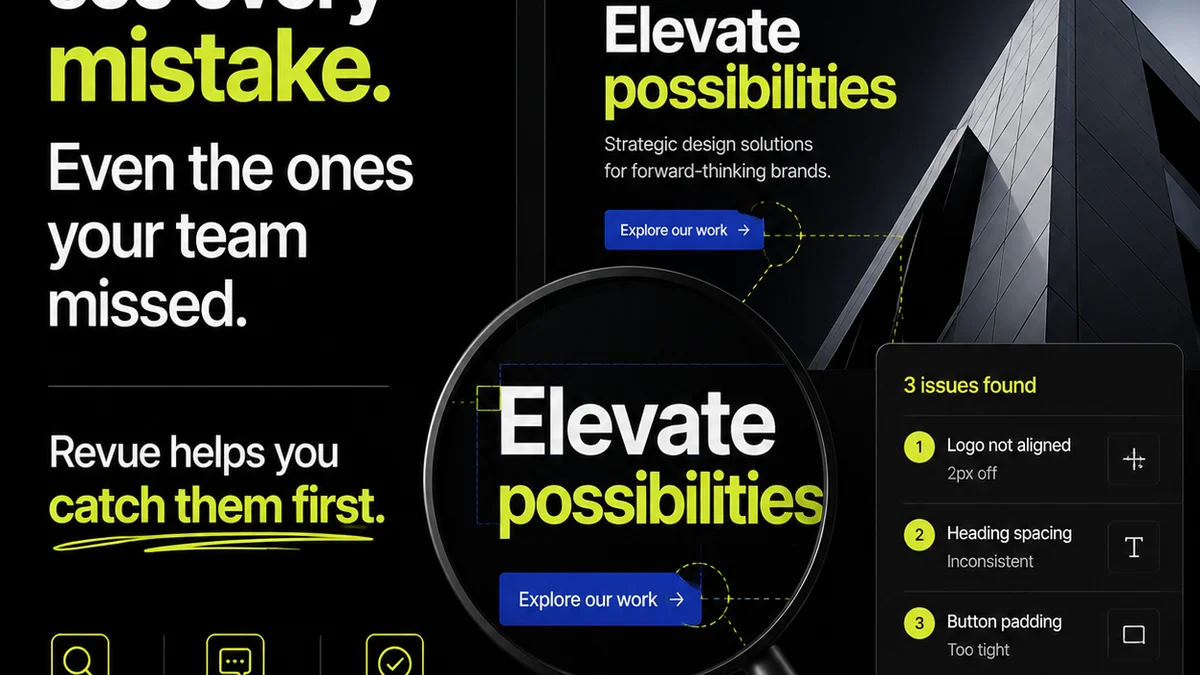
Revue is built to solve these exact problems. It provides a single source of truth for all client feedback, making it easy to track, discuss, and action. Revision tracking is clear, so everyone knows what’s been changed and why.
This level of visibility and control isn't just about making life easier; it’s about directly improving your project profitability and client relationships.
Final Thought
Are you managing your marketing operations, or are your operations managing you? The difference could be the single biggest factor impacting your agency’s true ROI.
Frequently asked questions
What are the biggest signs of poor marketing operations?
Common signs include frequent project overruns, scattered client feedback, endless revision cycles, missed deadlines, and team members spending excessive time on administrative tasks rather than creative work.
How does marketing operations impact ROI?
Efficient marketing operations reduce costs associated with delays, rework, and inefficient resource allocation. This directly increases profit margins and speeds up revenue generation, thus boosting overall ROI.
Is marketing operations just about software?
No. While software is crucial for enabling efficient operations, it's only part of the solution. Well-defined processes, clear communication protocols, and a culture of operational excellence are equally important.
How can a creative agency start improving its marketing operations?
Begin by mapping your current key workflows, identifying the biggest bottlenecks and points of friction. Then, look for opportunities to centralize feedback, standardize processes, and automate repetitive tasks. Investing in dedicated creative operations software can be a significant step.