Everyone thinks marketing operations is about the tools. Pick the right CRM, the best automation platform, the slickest project management software, and voilà: seamless operations.
None of that is wrong. But it’s incomplete. Massively incomplete.
The hard truth is, the best marketing operations tools don’t magically fix broken processes. They amplify them. If your workflows are a mess, the fanciest software will just make the mess more efficient. The real win isn't in the features you buy, it's in the clarity you build.
1. The Illusion of Integration
Feature Creep vs. Workflow Cohesion
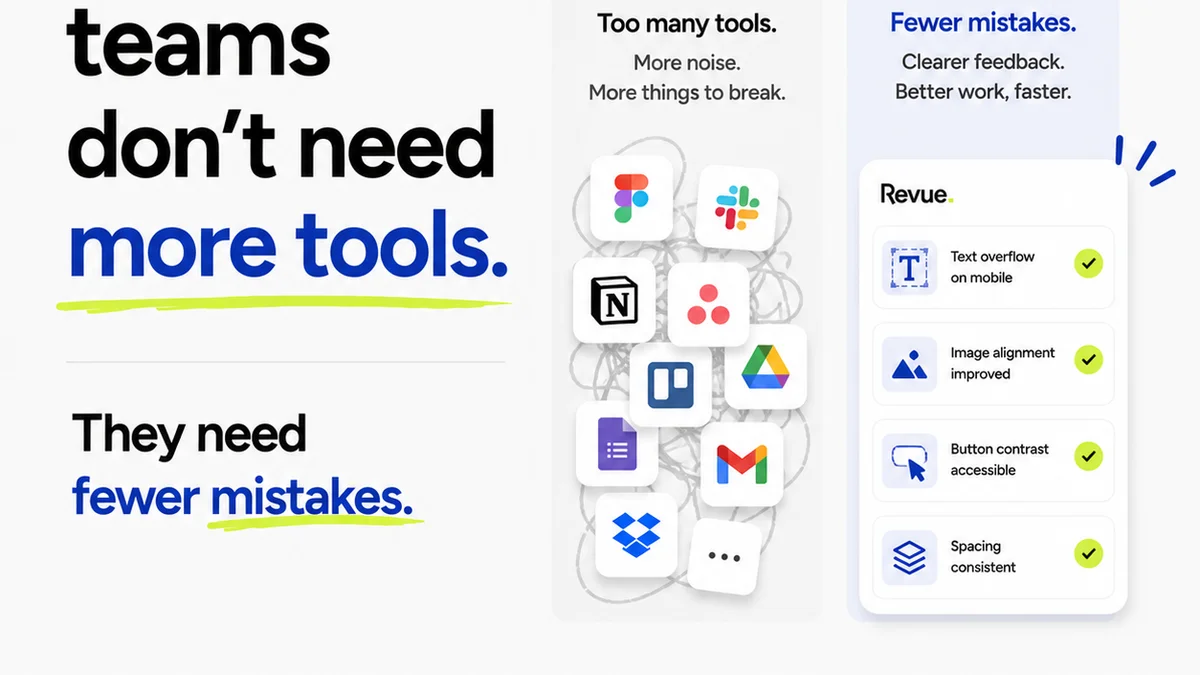
We’re drowning in MarTech. Every conference, every webinar, every vendor promises a new silver bullet. You need a CRM. You need email marketing. You need social scheduling. You need analytics. You need project management. You need creative review.
And then you need something to connect them all. Zapier. Make. A custom API.
This is where most teams get it wrong. They assume that because tools *can* talk to each other, they *will* talk to each other effectively. That’s a dangerous assumption.
- You bought a CRM, but sales data never makes it into your campaign planning.
- You use a project tool, but creative briefs get emailed around anyway.
- You have an automation platform, but lead nurturing is still manual and inconsistent.
The Workflow is King
Integration isn't about connecting data points. It’s about connecting the *steps* your team takes. Think about a typical campaign launch. What’s the actual path from idea to execution?
Who owns each step? What information do they need? What output do they produce? Where does that output go next?
If you can’t map that out clearly, no amount of API magic will save you. You’ll just have more places for things to break.
2. The Myth of the Centralized Hub
Data Silos are People Problems
The dream is a single source of truth. One dashboard to rule them all. But often, “centralized” just means one department’s data is now easily visible to another department that doesn’t know what to do with it.
Marketing operations isn't just about technology. It’s about people and process. A tool might be the central hub for *data*, but is it the central hub for *collaboration*?
Visibility vs. Actionability
You can have all the data in the world, but if your team can’t easily access it, understand it, and act on it, it’s useless.
- Does your sales team know how to interpret your campaign performance metrics?
- Does your creative team understand the strategic goals behind each brief?
- Do your stakeholders see the full picture of what’s happening, or just their small piece?
The goal isn't just to *see* the information. It’s to make better decisions based on it. That requires context, not just data dumps.
3. The Unseen Cost of
Frequently asked questions
What is the biggest mistake teams make when choosing marketing operations tools?
The biggest mistake is focusing solely on features and 'integration' without first defining and optimizing their core workflows. Tools amplify existing processes; they don't inherently fix broken ones.
How can marketing operations tools improve team collaboration?
Effective tools facilitate clear communication, shared visibility into project status, and standardized feedback loops. This reduces reliance on scattered emails and chats, creating a single source of truth for project progress and decisions.
Is it better to have one all-in-one MarTech platform or multiple specialized tools?
There's no single answer. The best approach depends on your team's specific needs and existing workflows. Often, a few well-integrated, specialized tools that perfectly match your core processes are more effective than a bloated all-in-one solution that forces you into unnatural workflows.
How does marketing operations relate to creative operations?
Marketing operations focuses on the strategic, data-driven, and automated aspects of marketing campaigns. Creative operations focuses on the execution and management of creative assets and workflows. They are deeply intertwined, with marketing ops providing the strategic direction and creative ops ensuring efficient, high-quality execution.