Everyone wants to talk about design system success. They point to adoption rates, number of components, or maybe the reduction in design requests. None of that is wrong. But it’s incomplete.
The hard truth is, a design system isn't a success just because it exists or because people are using it. Its real value is measured by how it impacts the actual business outcomes of your agency or team.
1. Speed Isn't Just About Building Faster
Sure, a design system should make building interfaces faster. That’s the obvious benefit. But speed is a symptom, not the core value. What’s really being measured is efficiency and reduced friction.
Think about the *types* of speed improvements:
- Faster iteration cycles during design and development.
- Quicker onboarding for new team members.
- Reduced time spent on repetitive tasks.
- Streamlined communication between design and engineering.
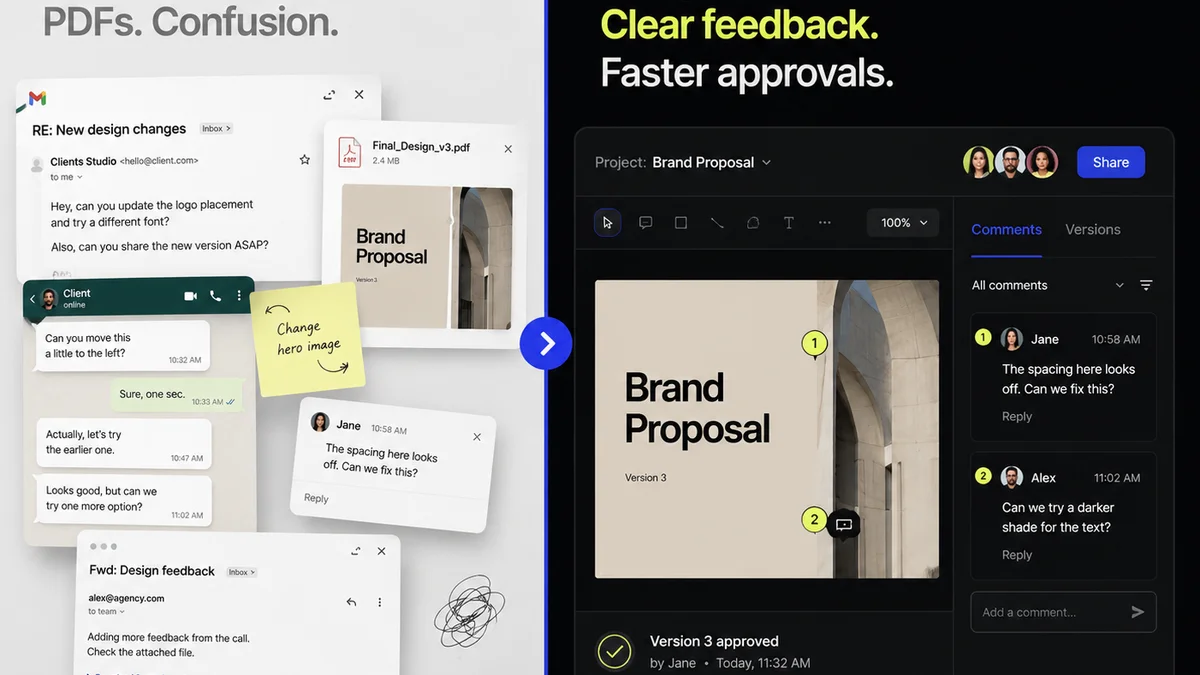
If your system is fast but creates new bottlenecks elsewhere, like in feedback or approvals, you haven't truly won.
The Real Metric: Time-to-Market for *Valuable* Features
Are you shipping more *impactful* work, faster? Or are you just churning out more of the same, slightly quicker?
A design system should free up cognitive load. This allows teams to focus on solving complex problems, not just assembling pixels. If your teams are still bogged down in the minutiae, your system isn't delivering on its promise of efficiency.
2. Consistency: More Than Just Pretty Pixels
The most common argument for design systems is consistency. And yes, a unified look and feel is crucial for brand integrity and user experience.
But consistency is a baseline, not the ceiling.
What does true consistency unlock?
- Improved user trust and recognition.
- Reduced cognitive load for users navigating your products.
- Easier maintenance and scaling of your digital products.
- A stronger, more cohesive brand identity across touchpoints.
If your consistency efforts are only skin-deep, you’re missing the point.
The Real Metric: Brand Cohesion and User Confidence
When users encounter your brand across different platforms or products, do they feel like they're interacting with the same entity? Does it feel reliable?
That’s the power of deep consistency, enabled by a robust design system. It builds confidence, which translates into user loyalty and engagement.
3. Efficiency: Where the Money Is
This is where most people stop. They track component usage, or count how many teams are
Frequently asked questions
What are the most common mistakes when measuring design system success?
Focusing solely on adoption rates or component usage without tying them back to business outcomes is a common pitfall. Another mistake is not defining clear, measurable goals before implementation.
How can a design system improve team efficiency?
By providing pre-built, consistent components and clear guidelines, a design system reduces repetitive work for designers and developers, speeds up iteration, and streamlines communication, leading to faster delivery and reduced costs.
Can a design system directly impact ROI?
Yes. By increasing efficiency, reducing development time, improving user retention through consistent UX, and enabling faster feature deployment, a design system can directly contribute to a positive return on investment.
What are leading indicators of design system success?
Leading indicators include increased component reuse, reduced design debt, faster prototyping times, fewer design/dev rework cycles, and positive feedback from design and development teams regarding workflow improvements.