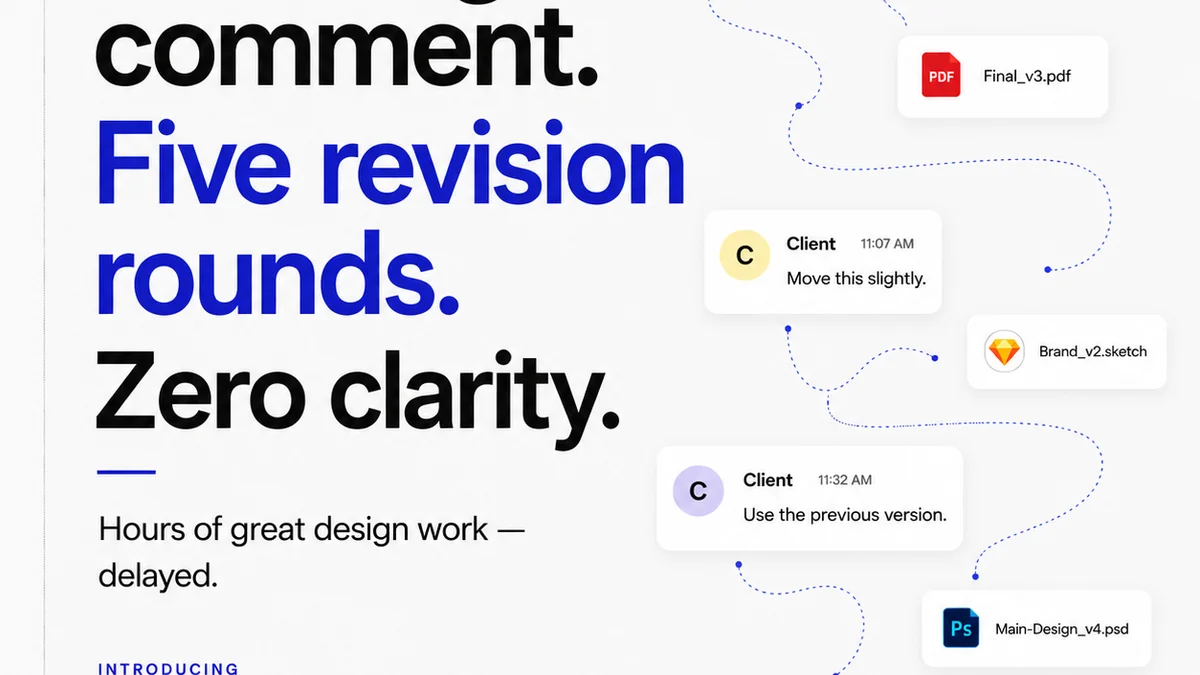
Everyone talks about branding. They say it’s about perception, emotion, and building trust. None of that is wrong. But it’s incomplete.
For enterprise-level branding, especially in competitive markets, perception and emotion aren't enough. You need to quantify it. You need to measure the return on investment (ROI) of your branding efforts. This isn't just for the finance department; it’s critical for justifying budgets, guiding strategy, and proving the value of creative teams.
1. The Hard Truth: Branding Isn't Just a Vibe, It's a Financial Lever
Many see branding as a cost center. A necessary expense for logos, websites, and marketing collateral. This viewpoint misses the forest for the trees. Strong enterprise branding isn't just about looking good; it directly impacts revenue, customer acquisition, retention, and operational efficiency.
It's a strategic asset that, when managed correctly, yields tangible financial returns. Ignoring its measurable impact is like leaving money on the table.
The Hidden Costs of Poor Branding
What happens when branding falters at an enterprise level?
- Increased customer acquisition costs (CAC) because messaging is unclear or unconvincing.
- Lower customer lifetime value (CLTV) due to brand confusion or lack of loyalty.
- Higher employee turnover as internal alignment weakens.
- Difficulty attracting top talent.
- Inconsistent customer experiences leading to churn.
- Wasted marketing spend on campaigns that don't resonate.
These aren't just abstract problems. They translate directly into bottom-line losses.
2. Key Metrics for Enterprise Branding ROI
Measuring branding ROI requires looking beyond vanity metrics. We need to connect branding activities to business outcomes. This involves a mix of quantitative and qualitative data, analyzed over time.
Brand Awareness & Recognition
This is the baseline. How many people know you exist and what you stand for?
- Direct Traffic: An increase here often indicates people are searching for you by name, a sign of brand recall.
- Social Mentions & Share of Voice: Track how often your brand is mentioned compared to competitors. Tools like Brandwatch or Sprout Social can help.
- Surveys: Conduct regular brand recall and recognition surveys (aided and unaided recall).
Customer Acquisition & Conversion
Does your branding help you win new business?
- Lead Quality: Are leads coming from branded channels or campaigns converting at a higher rate?
- Conversion Rates: Track conversion rates across different touchpoints and marketing campaigns. A strong brand message should improve these.
- Cost Per Acquisition (CPA): A well-defined brand can reduce CPA by making marketing efforts more effective.
Customer Loyalty & Retention
Once you have customers, does your brand keep them?
- Customer Lifetime Value (CLTV): Brands that foster loyalty see higher CLTV.
- Repeat Purchase Rate: Consistent brand experience encourages repeat business.
- Net Promoter Score (NPS): While not solely a branding metric, strong branding contributes significantly to customer advocacy.
Brand Equity & Valuation
This is more abstract but crucial for enterprise value.
- Brand Valuation Studies: Specialized firms can provide a financial valuation of your brand.
- Market Share: Strong brands often command larger market shares.
- Premium Pricing: Can your brand command higher prices than competitors? This is a direct indicator of perceived value.
Internal Alignment & Employee Engagement
A strong brand isn't just external. It needs to be lived internally.
- Employee Satisfaction Surveys: Do employees understand and believe in the brand?
- Talent Acquisition Metrics: Track the quality and volume of applicants, and the time-to-hire for key roles. A strong employer brand helps.
3. Connecting Branding Activities to Financial Outcomes
The real challenge is linking specific branding initiatives to these metrics. This requires diligent tracking and analysis.
Campaign-Specific Tracking
When launching a new brand campaign, ensure you have clear objectives and tracking mechanisms in place.
- Unique URLs and Promo Codes: For specific campaigns.
- UTM Parameters: Standard practice for tracking digital campaign sources.
- A/B Testing: Test different brand messaging and creative to see what resonates best and drives conversions.
Analyze the performance of these campaigns not just on immediate sales, but on brand lift metrics like awareness and sentiment.
Website Analytics
Your website is often the primary touchpoint for brand perception.
- Bounce Rate and Time on Site: High bounce rates or low time on site can indicate a disconnect between brand promise and user experience.
- Goal Completions: Track how many visitors complete desired actions (e.g., signing up for a newsletter, downloading a whitepaper) after interacting with branded content.
Look at user flow reports to see if visitors are engaging with key brand messaging.
CRM Data Integration
Your Customer Relationship Management system is a goldmine for tracking customer behavior.
- Segment Customers: Analyze purchase history and engagement levels of customers acquired through different brand-focused initiatives.
- Track Churn: Identify if customers who align with your brand values are less likely to churn.
Correlate CRM data with marketing automation platforms to understand the full customer journey.
Attribution Modeling
This is complex but essential. How much credit does branding get for a sale?
- First-Touch vs. Last-Touch: Understand how branding influences the initial awareness versus the final decision.
- Multi-Touch Attribution: More sophisticated models can distribute credit across multiple touchpoints, including brand-building activities.
This helps justify investments in top-of-funnel brand awareness efforts.
4. The Role of Design and User Experience
Enterprise branding is not just about the logo. It's the sum of all interactions a customer has with your company. This includes the user experience (UX) and the visual design across all platforms.
Consistency is King
Inconsistent branding creates friction and erodes trust. Every touchpoint, from a social media ad to a customer support interaction, must align with the brand identity.
This means having a robust design system and brand guidelines that are accessible and enforced across the organization.
Usability and Accessibility
A brand that is difficult to use or inaccessible alienates a significant portion of its audience. Adhering to standards like the Web Content Accessibility Guidelines (WCAG) is not just a compliance issue; it's a brand imperative.
Accessible design expands your reach and demonstrates a commitment to inclusivity, which is a powerful brand differentiator.
Visual Identity and Emotional Connection
The visual elements of your brand – color, typography, imagery – are powerful tools for evoking emotion and creating recognition. Consistent application of these elements builds familiarity and trust.
Tools like Figma and Adobe Creative Suite are essential for creating and managing these visual assets, but their effectiveness hinges on strategic application guided by brand principles.
5. Where Revue Fits In
Managing enterprise branding effectively, especially across large teams and numerous projects, requires streamlined processes. This is where tools designed for creative workflow become invaluable.
Revue helps bridge the gap between creative execution and measurable brand impact by ensuring consistency and clarity throughout the feedback and approval process.
Centralized Feedback
Conflicting feedback from different stakeholders can dilute brand messaging and lead to inconsistent creative output. Revue centralizes all client and stakeholder feedback in one place.
This ensures that brand guidelines are considered and that feedback is consolidated, reducing the risk of off-brand iterations.
Revision and Approval Visibility
Tracking revisions and approvals manually is a recipe for errors and missed brand touchpoints. Revue provides clear visibility into the entire revision history and approval workflow.
This transparency helps maintain brand integrity by ensuring that only approved, on-brand assets move forward.
Quality Checks on Creative Work
Before a piece of creative work goes live, it needs a final quality check against brand standards. Revue facilitates these checks, ensuring that all final assets align with the enterprise brand.
This systematic approach minimizes the chance of inconsistent or off-brand materials reaching the market, protecting brand equity.
6. Final Thought
Measuring the ROI of enterprise branding moves it from an art form to a science. It’s about proving that creative investment drives business results.
Are you actively tracking the financial impact of your branding efforts, or are you still relying on gut feelings?
Frequently asked questions
What is enterprise branding ROI?
Enterprise branding ROI measures the financial return generated from investments made in building and maintaining a company's brand at an organizational level. It connects branding activities to tangible business outcomes like revenue, customer acquisition, and retention.
What are the key metrics for measuring branding ROI?
Key metrics include brand awareness (direct traffic, social mentions), customer acquisition (lead quality, CPA), customer loyalty (CLTV, NPS), brand equity (market share, premium pricing), and internal alignment (employee engagement).
How can I connect branding activities to financial outcomes?
Connect activities by using campaign-specific tracking (unique URLs, UTMs), analyzing website analytics (bounce rate, goal completions), leveraging CRM data (customer segmentation, churn analysis), and employing attribution modeling to understand the brand's influence on sales.
Why is design and UX important for branding ROI?
Consistent design and user experience across all touchpoints reinforce brand identity, build trust, and ensure accessibility. Poor UX can alienate customers and negate branding efforts, directly impacting loyalty and conversion rates.
How can a tool like Revue help measure branding ROI?
Revue helps by centralizing feedback, ensuring brand consistency across projects, providing visibility into approvals, and facilitating quality checks on creative work. This reduces off-brand iterations and protects brand equity, indirectly supporting ROI.