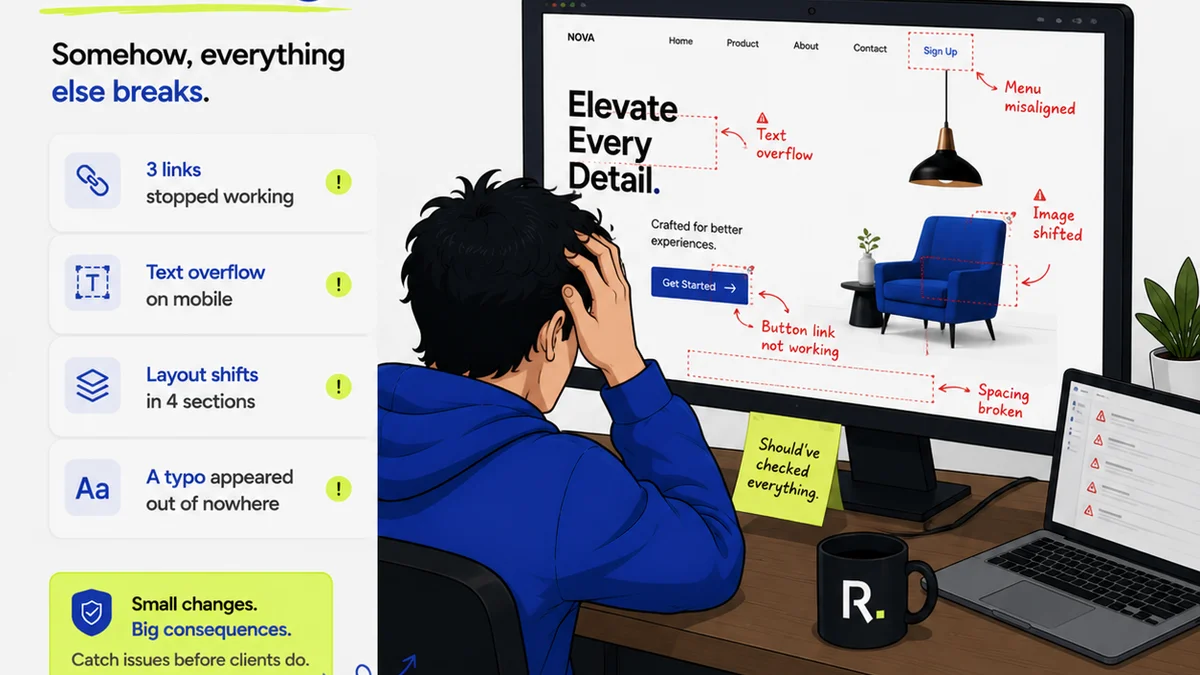
Everyone thinks the newspaper workflow is dead. Obsolete. A relic of a bygone era defined by print deadlines and ink-stained fingers. None of that is wrong. But it’s incomplete.
The real newspaper workflow was never just about printing. It was about managing chaos. It was about tight turnarounds, multiple stakeholders, and the relentless pressure to deliver. It’s a model for high-stakes, rapid-response creative production.
1. The Core Problem: Time and Information Decay
In any fast-paced creative environment, time is the enemy. Information decays. What was clear yesterday is fuzzy today. What’s urgent now might be irrelevant in an hour.
This decay affects everything:
- Client feedback becomes diluted.
- Internal discussions get forgotten.
- Asset versions become ambiguous.
- Approvals are missed or miscommunicated.
The classic newspaper model attacked this decay head-on.
2. The Newspaper's Original Solution: Centralized Hubs and Rapid Handoffs
Think of the city desk. The copy desk. The layout department. These weren't just physical locations; they were functional hubs.
Each hub had a specific role:
- The Reporter: Gathered raw information, conducted interviews, wrote the initial draft.
- The Editor: Fact-checked, refined the narrative, ensured clarity and conciseness, and shaped the story for the audience.
- The Copy Editor: Polished the language, corrected grammar and spelling, and verified adherence to style guides.
- The Layout/Design Team: Visualized the story, selected images, designed the page, and prepared it for print.
Crucially, these teams didn't work in silos. They operated on a tight, sequential, yet highly integrated process. A story moved quickly from one station to the next, with each handoff being a critical checkpoint.
The speed was enabled by clear roles, defined processes, and a shared understanding of the ultimate goal: a finished, accurate, and compelling newspaper delivered on time.
3. Adapting the Model: Digital Workflows and Modern Challenges
Today’s creative agencies and in-house teams face similar pressures, but with digital tools and distributed teams.
The challenges are different, but the underlying need for structure is the same:
- Remote Collaboration: Teams are no longer in the same room.
- Complex Feedback Loops: Clients, legal, marketing, and other stakeholders all weigh in.
- Ever-Evolving Assets: Digital designs change rapidly. Videos are updated. Copy is tweaked.
- Proofing Paralysis: Too many versions, too many comments, too little clarity.
The old newspaper hubs need a digital upgrade.
3.1. The Digital City Desk: Centralized Intake and Briefing
This is where the project starts. It’s not just about receiving a brief; it’s about ensuring the brief is complete, understood, and actionable.
Key functions:
- Clear Project Scope: Define objectives, target audience, key deliverables, and success metrics upfront.
- Stakeholder Alignment: Ensure all key decision-makers are identified and their roles are clear.
- Asset Management: Centralize all initial assets, brand guidelines, and reference materials.
Without this, the
Frequently asked questions
What is a newspaper workflow?
A newspaper workflow is a system for managing time-sensitive creative projects by centralizing information, defining clear roles and responsibilities, and implementing rapid, sequential handoffs between specialized teams or individuals. It prioritizes efficiency, accuracy, and timely delivery.
How can a newspaper workflow benefit my creative agency?
It helps streamline project delivery, reduces confusion from scattered feedback, improves version control, and ensures clear accountability. This leads to faster turnarounds, fewer errors, and happier clients.
Is the newspaper workflow only for print projects?
No. While originating in print media, the core principles of centralized communication, clear roles, and efficient handoffs are highly adaptable to digital projects, video production, software development, and any creative process with tight deadlines and multiple stakeholders.
What are the main roles in a newspaper workflow?
Traditionally, roles include the reporter (gatherer), editor (refiner), copy editor (polisher), and layout/design team (visualizer). In modern digital workflows, these map to project managers, creative leads, copywriters, designers, and QA specialists.