Everyone talks about OCR – Optical Character Recognition. Usually, it's about scanning old documents, turning PDFs into searchable text, or maybe extracting data from invoices. That’s all true. But for packaging designers, that’s only scratching the surface. It’s like saying a car is just for getting from A to B. You’re missing the engineering, the performance, the sheer utility.
The hard truth? OCR is a critical, underutilized tool for quality control and workflow automation in packaging design, especially when it comes to the relentless detail of compliance, legal text, and ingredient lists.
1. The Hidden Cost of Manual Text Verification
Packaging is a minefield of mandated information. Nutritional facts, allergen warnings, legal disclaimers, country of origin, recycling symbols – the list is long and non-negotiable. Every single character matters.
Agencies and in-house teams spend countless hours manually checking this text against source documents. It’s tedious. It’s prone to human error. And the cost? It’s not just the hours spent. It’s the cost of a recall, a fine, or brand damage when a typo slips through.
The Pain Points are Real
- Missed FDA/EU regulations.
- Incorrect allergen declarations.
- Typos in ingredient lists leading to customer complaints.
- Outdated legal disclaimers.
- Inconsistent branding across SKUs.
This isn't a hypothetical. It's the daily grind for many.
2. How OCR Changes the Game for Packaging
OCR technology, when applied correctly, can automate the verification of text on packaging artwork. It’s not about replacing designers or proofreaders; it’s about augmenting their capabilities and removing the most error-prone tasks.
Imagine feeding your final artwork into a system that automatically compares every character against your approved source text. Any discrepancies are flagged instantly.
Key Applications
- Automated Compliance Checks: Ensure all legally required text is present and accurate.
- Allergen Verification: Cross-reference ingredient lists against known allergen databases.
- Multi-language Consistency: Verify translated text against original source files across multiple SKUs and regions.
- Batch Proofing: Quickly check variations in text across large product lines.
This frees up your team to focus on the creative and strategic aspects of packaging, not the microscopic details of font rendering.
3. Implementing OCR in Your Packaging Workflow
This isn't science fiction. There are tools and workflows that integrate OCR specifically for creative assets. The key is understanding that it needs to be tailored to the unique challenges of visual design files.
Standard document OCR might struggle with the complex layouts, varied fonts, and intricate graphics found in packaging artwork. You need solutions designed for this environment.
Choosing the Right Approach
- Specialized Software: Look for tools built for creative asset verification, not just general document scanning.
- Integration: Can it plug into your existing DAM or project management system?
- Accuracy: Test the OCR's accuracy with your typical font sets and artwork complexity.
- Customization: Can you define what text needs to be verified and against what source?
The goal is to make it a seamless part of your review and approval process.
4. Where Revue Fits In
The most effective OCR implementation lives within a robust review and approval system. You can’t just run OCR in a vacuum.
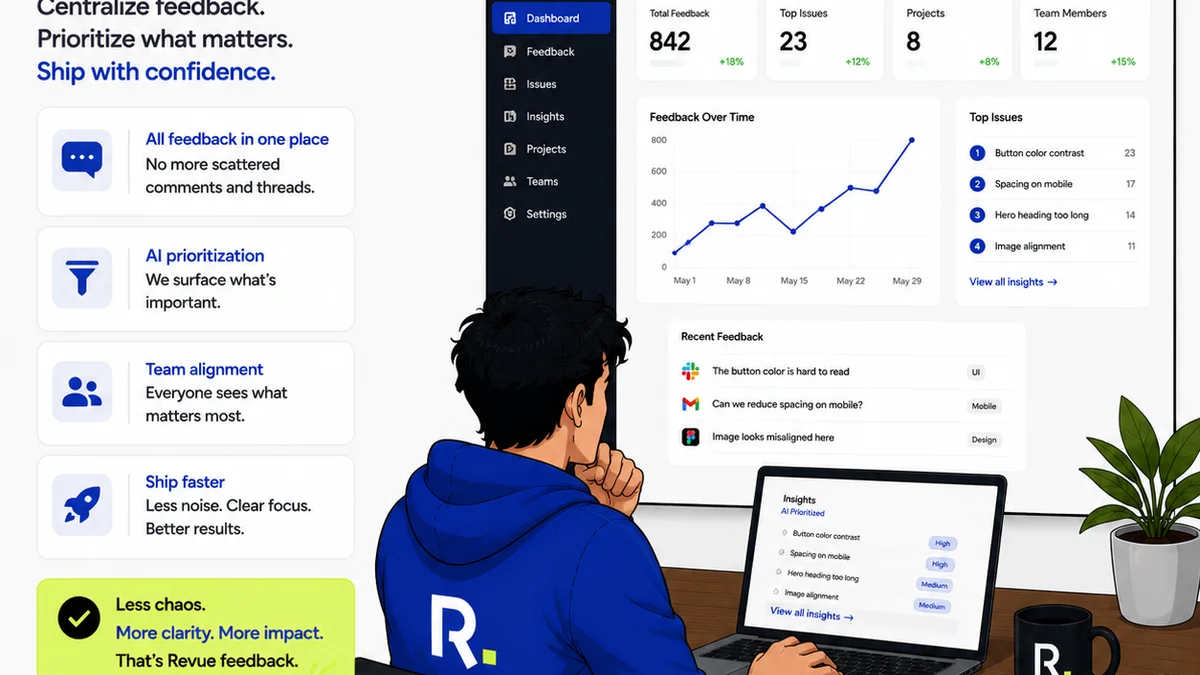
Revue provides the centralized platform where these automated checks can live and where human oversight is integrated. Instead of sending static PDFs back and forth, you have a dynamic environment.
Streamlining the Process
- Centralized Artwork: All final artwork, source texts, and compliance requirements are in one place.
- Automated Flagging: OCR flags can be integrated as specific review comments within the platform.
- Clear Revision Trails: See exactly what text was flagged, who reviewed it, and what changes were made.
- Final Approval Visibility: Ensure all compliance checks, automated and manual, are signed off before production.
This creates an auditable trail and significantly reduces the risk of errors slipping through the cracks.
5. Beyond Text: The Future of Packaging QC
OCR is just one piece of the puzzle. The real power comes when you combine automated text verification with other quality control measures.
Think about automated checks for:
- Color accuracy against brand standards.
- Bleed and trim line adherence.
- Correct placement of die-lines and scores.
- Consistency of graphic elements.
The trend is towards more automation, more checks, and less reliance on manual, time-consuming tasks.
Final Thought
Is your agency or design team still treating packaging text verification as a purely manual task? If so, you’re leaving yourself exposed to costly errors and inefficiencies that could easily be mitigated. The question isn't *if* you should adopt automated text verification for packaging, but *when* and *how* you'll integrate it into a workflow that prioritizes accuracy and speed.
Frequently asked questions
What is OCR and how does it apply to packaging design?
OCR (Optical Character Recognition) converts images of text into machine-readable text. For packaging design, it automates the verification of text elements like ingredient lists, legal disclaimers, and compliance information against source documents, drastically reducing manual checking and errors.
Why is manual text verification a problem in packaging?
Manual verification is time-consuming, tedious, and highly susceptible to human error. A single typo in legally mandated text can lead to costly recalls, fines, or brand damage. It also diverts skilled designers from creative tasks.
Can standard OCR software handle packaging artwork?
Standard document OCR software may struggle with the complex layouts, varied fonts, and graphic-intensive nature of packaging artwork. Specialized OCR solutions designed for creative assets are typically more effective.
How does a tool like Revue integrate with OCR for packaging?
Revue provides a centralized platform for managing artwork and feedback. OCR-generated flags or discrepancies can be logged as specific comments within Revue, allowing designers and reviewers to address them directly within the project workflow, creating a clear audit trail.
What are the benefits of using OCR in packaging design workflows?
The key benefits include increased accuracy, reduced risk of compliance errors, faster turnaround times, improved brand consistency, and freeing up creative teams to focus on design rather than repetitive proofreading.