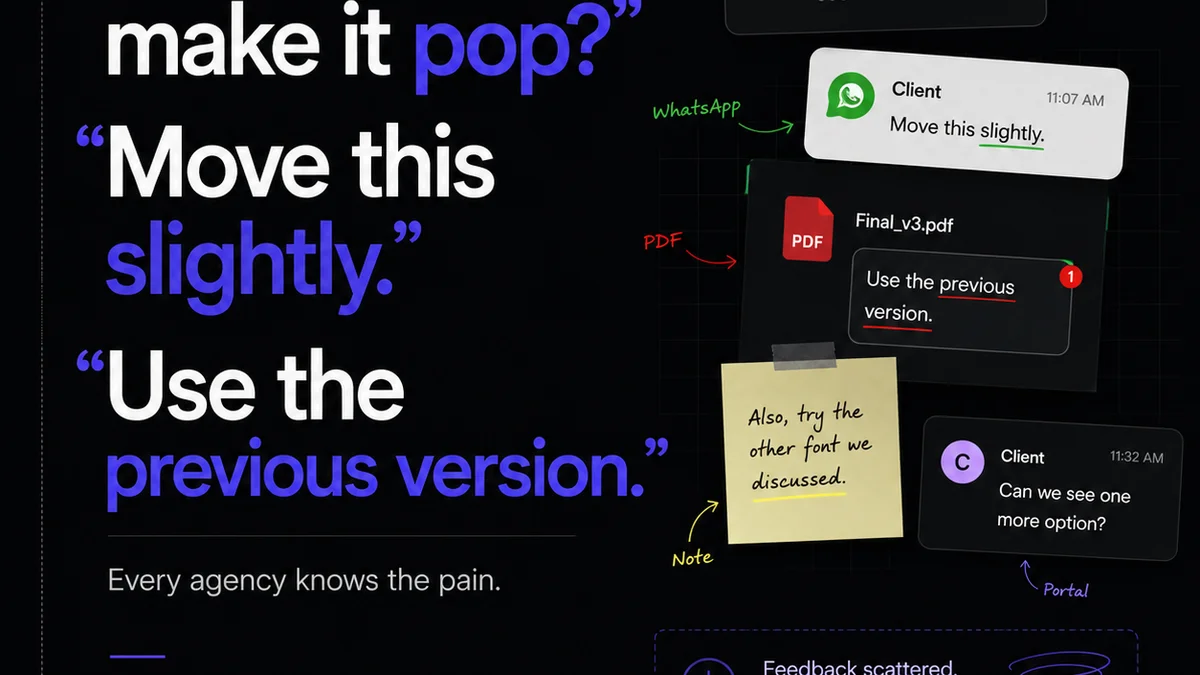
The agency world loves to romanticize the lone genius, the artist who breaks rules and defies structure. We hear it all the time: creativity and discipline are at odds. That process is the enemy of inspiration. That the more structured your workflow, the less room there is for magic.
None of that is wrong. But it’s incomplete.
The hard truth? True creative freedom isn’t born from chaos. It’s born from control. It’s the result of powerful operational discipline that clears away the noise, so the signal of great ideas can shine through.
1. The Myth of the Messy Masterpiece
We’ve all seen the trope: the artist’s studio, a glorious disaster zone. Paint splatters, crumpled sketches, half-eaten meals. It’s a visual shorthand for a mind overflowing with ideas, too brilliant to be contained by tidiness.
Agencies often fall into this trap. We celebrate the
Frequently asked questions
Does operational discipline really help creativity?
Absolutely. By establishing clear processes, you reduce the mental overhead of managing tasks, client feedback, and revisions. This frees up your creative team's cognitive load to focus on ideation and execution, leading to more innovative and polished work.
How can agencies implement operational discipline without stifling creativity?
The key is to build systems that support, rather than dictate, the creative process. Focus on clarity, communication, and efficient feedback loops. Tools that centralize information and streamline approvals are crucial. The goal is to remove friction, not add bureaucracy.
What are the first steps towards better operational discipline?
Start by mapping your current workflow. Identify bottlenecks, points of confusion, and areas where feedback gets lost. Then, look for tools or process adjustments that can address these specific issues. Prioritize clarity in briefs and feedback.
How does client communication fit into operational discipline?
Clear, structured client communication is vital. This includes setting expectations, defining review cycles, and using centralized platforms for feedback. It prevents misinterpretations and ensures clients are involved efficiently, not disruptively.