Everyone talks about operations. They hand you checklists. Flowcharts. Process maps. They tell you to standardize. To optimize. To build the perfect machine.
None of that is wrong. But it’s incomplete.
The hard truth? Most agencies treat operations like a static blueprint. A set of rules to be followed. But your agency isn’t a machine. It’s a living, breathing organism. And its operations need to be adaptable, responsive, and built for growth, not just efficiency.
1. Beyond the Checklist: Building an Operational Backbone
The common assumption is that a solid operations framework is about rigid processes. About saying ‘no’ to anything that deviates.
But the real power comes from building a system that anticipates friction and removes it before it happens. It’s about creating an environment where your team can do their best work, without getting bogged down in the minutiae.
Think of it less as a rigid rulebook and more as a robust operating system. One that’s designed to handle complexity and drive predictable outcomes.
The Symptoms of a Weak Backbone
- Constant firefighting.
- Missed deadlines and scope creep.
- Client feedback loops that spiral out of control.
- Team burnout and high turnover.
- Inconsistent project quality.
- Revenue leakage due to scope ambiguity.
These aren’t just minor annoyances. They’re direct indicators that your operational backbone is weak. It’s not supporting the weight of your business.
The Shift: From Process to System
A checklist is a single task. A system is how you manage a thousand tasks, seamlessly.
This means moving beyond just documenting steps. It’s about integrating tools, defining clear responsibilities, and establishing feedback loops not just for clients, but for your internal processes too.
2. The Client Feedback Labyrinth: Escape Route
Client feedback is the lifeblood of creative work. But it’s also a notorious bottleneck. And a common source of project derailment.
The assumption is that more communication is always better. That simply getting *more* feedback solves the problem.
The reality? Unstructured, chaotic feedback is worse than no feedback at all. It breeds confusion, endless revisions, and eroded client trust. Your team ends up chasing ghosts.
The Feedback Black Hole
- Vague comments: “Make it pop.” “I don’t like it.”
- Conflicting opinions from multiple stakeholders.
- Feedback delivered via email chains, Slack messages, and random calls.
- Lack of clear decision-makers.
- Revisions based on personal preference, not strategic goals.
Sound familiar? This is where agencies bleed time and margin. And where client relationships fray.
Designing the Feedback Gauntlet
Your goal isn’t to stop feedback. It’s to channel it. To make it actionable and clear.
This requires a structured approach:
- Define the Process Upfront: Set expectations with the client from day one. How will feedback be collected? Who needs to approve? What are the revision round limits?
- Centralize Communication: All feedback must live in one place. No more hunting through emails or Slack.
- Actionable Inputs: Train your team (and guide your clients) to provide specific, objective feedback tied to project goals.
- Clear Ownership: Designate a primary point of contact for feedback and approvals.
- Version Control: Keep track of every iteration. What changed and why?
This isn’t about bureaucracy. It’s about clarity. It’s about ensuring that feedback serves the project, not derails it.
3. Revision Rounds: The Profit Killer
The assumption is that revisions are just part of the job. A cost of doing business that you absorb.
But uncontrolled revisions are a direct assault on your profitability. They’re scope creep in disguise.
Every extra round of revisions eats into your margin. It delays other projects. It burns out your team. And often, it doesn’t even make the client happier.
The Revision Spiral
What does this look like?
- Clients asking for “small tweaks” that aren’t small at all.
- Endless subjective changes that move away from the original brief.
- Lack of clear sign-off at key stages, leading to backtracking.
- Internal team members making changes without proper review.
- No mechanism to track and charge for out-of-scope revisions.
This is where agencies lose money. And where frustration builds on both sides.
Controlling the Controllable
You can’t eliminate revisions. But you *can* manage them.
- Define Scope & Deliverables Clearly: The more precise your initial scope, the fewer surprises.
- Set Revision Limits in Contracts: Be explicit about the number of rounds included.
- Establish Approval Gates: Get sign-off at key milestones (e.g., concept, layout, final art).
- Track Everything: Use a system to log all feedback and revisions.
- Charge for Out-of-Scope Work: Have a clear process for identifying and quoting additional revisions.
This requires discipline. And the right tools to enforce it.
4. Quality Control: The Unsung Hero
Many agencies skip formal quality control. The assumption is that good designers and writers are inherently thorough. That mistakes just don’t happen.
This is a dangerous gamble. Even the best creatives have off days. And in the rush to meet deadlines, details get missed.
A robust QC process isn’t about distrust. It’s about safeguarding your reputation and ensuring client satisfaction. It’s the final layer of defense.
The QC Void
What happens without it?
- Typos and grammatical errors slip through.
- Technical glitches in digital assets.
- Inconsistent branding across deliverables.
- Assets not meeting technical specifications (e.g., file size, resolution).
- Brand guidelines being ignored.
These errors might seem minor. But they chip away at your agency’s perceived professionalism. And they can lead to a client rejecting work, causing delays and rework.
Implementing a QC Ritual
Your QC process should be integrated, not an afterthought.
- Checklists for Deliverables: Create specific checklists for common asset types (e.g., social posts, website banners, print ads).
- Multiple Eyes: Ensure at least one other person reviews the work before it goes to the client. This could be a dedicated QC person, a project manager, or a senior team member.
- Automated Checks Where Possible: For digital work, use tools to check for broken links, code errors, or performance issues.
- Brand Guideline Audit: Regularly audit deliverables against brand guidelines.
- Client Brief Alignment: Confirm that the final output directly addresses the original client brief and objectives.
This isn’t about micromanagement. It’s about professional rigor. It’s about delivering excellence, every single time.
5. Where Revue Fits In
Building this kind of operational engine requires more than just good intentions. It requires the right infrastructure.
This is where a centralized platform like Revue becomes critical.
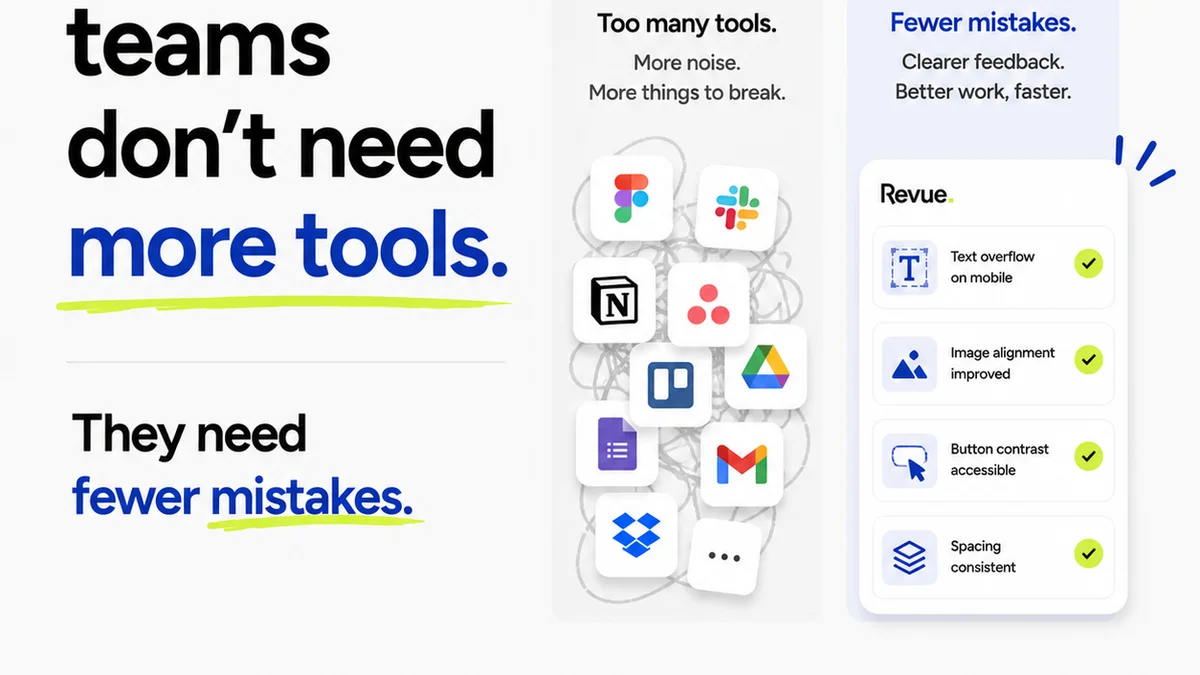
Instead of juggling spreadsheets, emails, and random file versions, Revue brings order to the chaos.
- Centralized Feedback: All client comments and annotations live directly on the creative asset. No more hunting. No more misinterpretation.
- Revision Visibility: Track every change, every version, and who made the decision. This clarity prevents disputes and speeds up approvals.
- Streamlined Approvals: Formalize the sign-off process. Ensure all stakeholders have reviewed and approved before moving forward.
- Quality Assurance Tools: Use the platform to conduct internal reviews, check against briefs, and ensure all requirements are met before client delivery.
Revue helps you move from a reactive, checklist-driven approach to a proactive, system-driven one. It’s the connective tissue that holds your operational backbone together.
Final Thought
Are you building an agency that runs *on* processes, or one that runs *because* of them?
The difference is profound. It’s the difference between an agency that’s constantly fixing problems and one that’s consistently delivering exceptional work, profitably. It’s time to stop treating operations as a burden and start seeing it as your greatest competitive advantage.
Frequently asked questions
What's the difference between a process and an operational system?
A process is a single set of steps for a specific task. An operational system is the integrated framework of processes, tools, and people that enables your entire business to function efficiently and adaptably.
How can I make client feedback more actionable?
Establish clear feedback guidelines upfront, centralize all comments in one platform, and train your team and clients to provide specific, objective feedback tied to project goals, rather than subjective opinions.
How do I prevent endless revision rounds from killing my profit margins?
Clearly define scope and deliverables in your contracts, set explicit revision limits, establish formal approval gates at key stages, and track all changes. Have a process for charging for out-of-scope revisions.
Is a formal quality control process really necessary for a small agency?
Yes. Even small agencies benefit greatly. A QC process acts as a crucial safeguard against errors, ensures consistency, protects your agency's reputation, and ultimately leads to higher client satisfaction by preventing costly mistakes.