Everyone assumes fast packaging design means sacrificing quality. That great packaging is a slow burn, a meticulous, drawn-out affair requiring weeks of agonizing over every curve and color.
None of that is wrong. But it’s incomplete.
The real truth? Speed in packaging design isn’t about compromising creativity. It’s about optimizing the entire workflow, from brief to final output. It’s about building a system that supports speed, rather than fighting against it.
1. The Myth of the Uninterrupted Creative Flow
We all love the romantic notion of the designer, deep in the zone, ideas flowing like fine wine. And yes, focused creative time is crucial.
But in reality, that uninterrupted flow is a rare commodity. It’s constantly interrupted by client questions, internal reviews, spec changes, and the endless hunt for that one specific Pantone color.
This constant context-switching kills momentum. It’s the silent killer of project timelines.
The Real Bottlenecks Aren't Always Creative
Think about where your projects actually get stuck. Is it usually during the initial sketching phase? Or is it when you’re waiting for feedback on the fifth iteration?
More often than not, the delays happen around the creative work, not within it. These are the operational hurdles:
- Endless email chains for feedback.
- Vague or conflicting revision requests.
- Difficulty tracking which version is the latest.
- Internal reviews that miss crucial details.
- Slow sign-offs from marketing or legal.
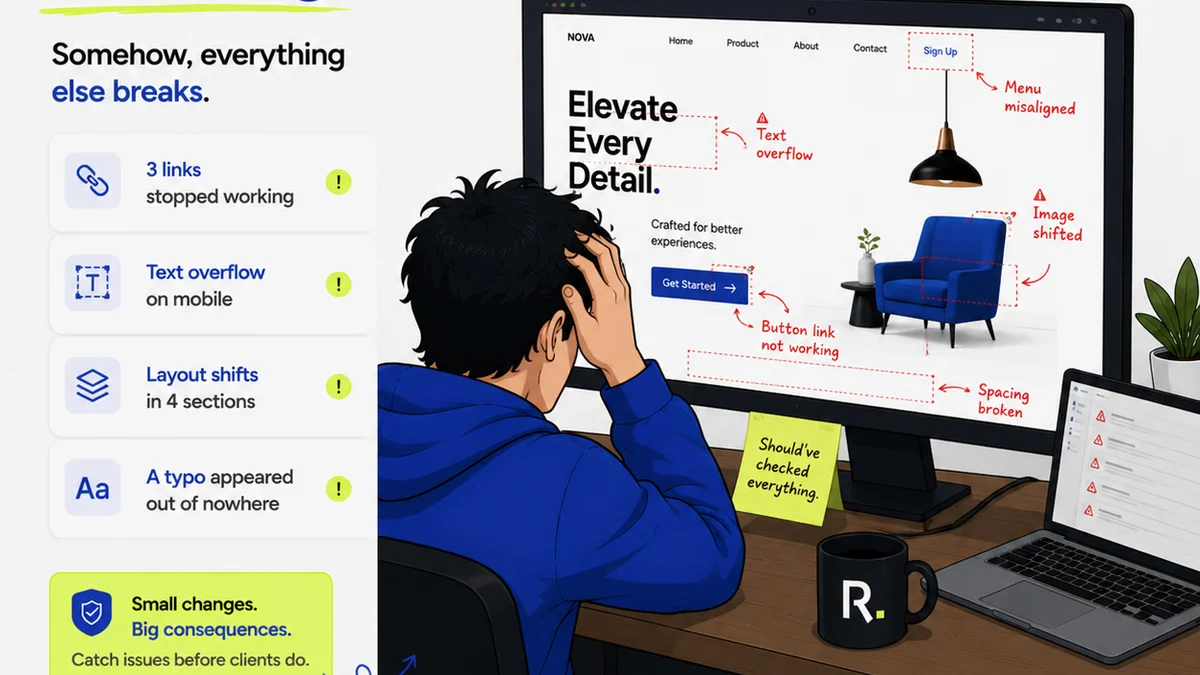
- Manual quality checks that catch errors too late.
These aren’t creative problems. They’re process problems.
2. Define
Frequently asked questions
How can I get faster client feedback on packaging designs?
Centralize feedback in one platform, use visual annotation tools, and set clear deadlines for reviews. This eliminates scattered email threads and provides a single source of truth for all comments.
What's the biggest mistake teams make when trying to speed up packaging design?
Focusing only on the creative part and ignoring the surrounding operational processes. Speed comes from optimizing the entire workflow, including approvals and revisions, not just the design itself.
How do I ensure quality isn't sacrificed when moving faster?
Implement structured quality assurance steps throughout the process. Use checklists and automated checks where possible, and ensure all feedback and revisions are tracked and approved.
Can technology really speed up packaging design?
Yes, by automating repetitive tasks, centralizing communication, streamlining review and approval cycles, and providing clear visibility into project status. Tools like Revue can make a significant difference.