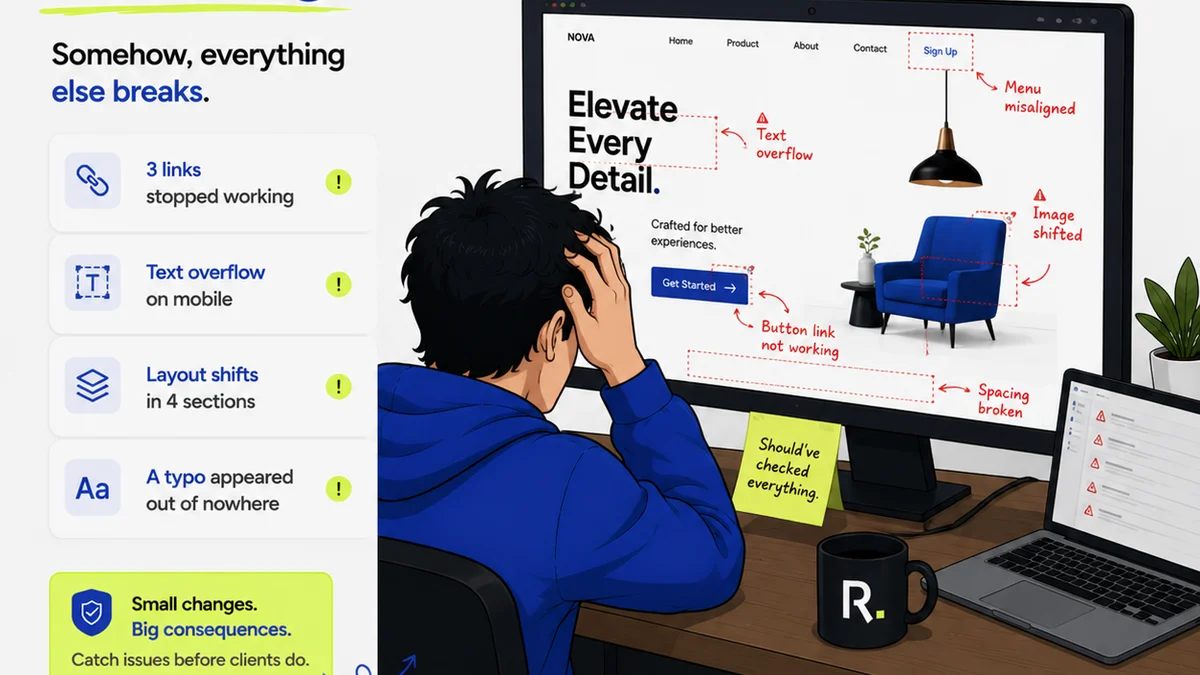
Everyone wants faster packaging design. Clients demand it. Budgets push for it. And most agencies nod along, assuming speed means cutting corners, sacrificing quality, or just working longer hours. None of that is wrong. But it’s incomplete.
The hard truth is that true speed in packaging design isn’t about working faster. It’s about working smarter. It’s about building systems that eliminate friction, clarify communication, and keep your team focused on what actually matters: brilliant creative execution.
1. The Illusion of Speed: Why Rushing Backfires
We’ve all seen it. A project is suddenly ‘urgent’. The brief gets condensed. Stakeholders rush their feedback. The design team scrambles. What happens?
Mistakes creep in. Critical details are missed. The client’s initial ‘urgent’ request turns into a week of clarification and revisions because the foundational brief was shaky.
Common Symptoms of a Rushed Workflow:
- Endless rounds of minor tweaks that feel like groundhog day.
- Misinterpretation of feedback leading to wasted design time.
- Last-minute changes that require entire concepts to be re-done.
- Client frustration over perceived delays, even when the team is working overtime.
- Burnout and decreased morale within the design team.
This isn’t a failure of talent. It’s a failure of process.
2. Deconstructing the Packaging Design Process for Speed
Let’s break down a typical packaging project and identify the bottlenecks. Speed isn’t built by magic; it’s engineered by optimizing each stage.
The Brief: Foundation for Velocity
A vague brief is the enemy of speed. If the team doesn’t know exactly what success looks like from day one, they’ll spend more time guessing than designing.
- What’s the Core Problem? Is it shelf presence, brand recognition, functional improvement, or cost reduction?
- Who is the Target Audience? Demographics, psychographics, purchasing habits.
- What are the Key Selling Points? What MUST the packaging communicate visually and textually?
- What are the Technical Constraints? Material, size, printing methods, regulatory requirements.
- What are the Competitive Examples? What works, what doesn’t, and why?
A robust, collaborative brief session, ideally with key client stakeholders present, sets the stage for rapid progress. This isn’t just a document; it’s a shared understanding.
Concepting: Focused Exploration
Once the brief is locked, concepting should be about exploring distinct directions, not endless variations of one idea.
- Define Core Concepts Early: Aim for 2-3 fundamentally different approaches based on the brief.
- Establish Clear Evaluation Criteria: How will these concepts be judged? Refer back to the brief.
- Timebox Concept Development: Set firm deadlines for initial concepts. Resist the urge to over-polish at this stage.
The goal is clarity, not perfection, in the initial concept phase.
Feedback & Revisions: The Friction Point
This is where most projects grind to a halt. Unclear feedback, conflicting opinions, and a lack of clear decision-making authority create chaos.
- Centralize All Feedback: Avoid scattered emails, Slack messages, and verbal notes.
- Assign a Single Point of Contact: The client needs one person responsible for consolidating and clarifying feedback.
- Structure Feedback: Use clear markers for comments, questions, and decisions.
- Define Revision Rounds: Agree upfront on the number of revision rounds included and what constitutes a ‘round’.
This stage requires discipline from both the agency and the client.
Approvals & Handover: The Final Sprint
Even after design is finalized, delays can occur. Ensuring a smooth transition to production is critical.
- Clear Sign-off Process: Define who has final approval and what constitutes an official sign-off.
- Organized Asset Delivery: Package final files logically and comprehensively for the printer or manufacturer.
- Pre-production Checks: Verify color profiles, die lines, and any other production-specific requirements.
A streamlined handover prevents costly errors and delays downstream.
3. Building a Faster Packaging Workflow: Tactical Wins
So, how do you actually implement this? It’s about adopting tools and habits that promote clarity and reduce friction.
The Power of a Centralized Brief Document
Forget sprawling documents and endless email chains. Use a single, living document for the brief. It should be easily accessible and updateable by both the agency and the client.
This document becomes the single source of truth for the project’s objectives, audience, constraints, and deliverables.
Structured Feedback Loops
This is non-negotiable. Every piece of feedback needs context and a clear action. Imagine:
- Visual Annotation: Clients can click directly on the design element they’re referencing.
- Comment Threads: Each piece of feedback has a discussion to resolve ambiguity.
- Decision Tracking: Clear ‘Approved’, ‘Needs Revision’, or ‘Rejected’ statuses.
- Version Control: Easily compare different design iterations.
This eliminates the ‘he said, she said’ and ensures everyone is working from the same page.
Clear Roles and Responsibilities
Who is responsible for what? Ambiguity here kills speed.
- Client-Side: Who provides the brief? Who gives feedback? Who has final approval?
- Agency-Side: Who manages the project? Who is the lead designer? Who handles client communication?
Define these roles upfront and communicate them clearly.
Standardized Templates and Checklists
For recurring tasks, leverage templates. For critical steps, use checklists.
- Brief Templates: Ensure all necessary information is captured every time.
- Concept Presentation Templates: Standardize how initial ideas are presented for easy comparison.
- Final File Checklist: A pre-flight checklist before handover to production.
This reduces cognitive load and prevents oversights.
Where Revue Fits In
You might be thinking, “This sounds great, but how do we manage it all?” That’s where a platform like Revue becomes essential.
Revue is built to streamline creative workflows, specifically addressing the friction points we’ve discussed.
Centralized Client Feedback
Instead of chasing down emails or deciphering Slack threads, all client feedback lives in one place, directly tied to the creative assets. Visual annotations and clear comment threads mean no more guessing what needs to change.
Revision and Approval Visibility
Track every iteration. See exactly when feedback was given, by whom, and what decisions were made. This transparency eliminates confusion and provides a clear audit trail, making approvals straightforward and efficient.
Quality Control at Every Stage
Revue helps ensure that critical details aren’t missed. By centralizing communication and approvals, you maintain a clear overview of the project’s progress and can implement checks and balances to catch potential issues before they impact production.
It’s about bringing order to the creative chaos, allowing your team to focus on design, not on managing communication breakdowns.
Final Thought
Speed in packaging design isn’t an accident. It’s the result of intentional process design, clear communication, and the right tools.
Are you building systems that enable your team to be fast and effective, or are you just asking them to run faster on a broken track?
Frequently asked questions
What is the biggest bottleneck in packaging design projects?
The biggest bottleneck is typically the client feedback and revision process. Unclear, conflicting, or delayed feedback can bring the entire project to a standstill, leading to wasted time and frustration.
How can a clear brief speed up packaging design?
A clear, detailed brief ensures everyone understands the project's objectives, target audience, technical constraints, and key messages from the outset. This reduces guesswork, minimizes misinterpretations, and allows the design team to focus on creating solutions that meet specific goals.
What role does technology play in faster packaging design?
Technology, like centralized feedback platforms, plays a crucial role by streamlining communication, organizing feedback visually, and providing clear approval tracking. This reduces administrative overhead and ensures all stakeholders are aligned, preventing common delays.
How do you manage client expectations for speed in packaging design?
Manage expectations by clearly outlining the process upfront, including the time required for each stage, the number of revision rounds, and the importance of timely, clear feedback from their side. Transparency about the workflow builds trust and sets realistic timelines.