The common wisdom about packaging quality assurance (QA) in 2026 is that it’s about automation, AI, and sophisticated checklists. None of that is wrong. But it’s incomplete.
The hard truth? True packaging QA in 2026 is about building an integrated, intelligent system that anticipates problems, not just catches them. It’s less about the tools and more about the operational discipline behind them.
1. The Shifting Sands of Creative Production
The pace of creative work is accelerating. Clients demand more iterations, faster turnarounds, and increasingly complex deliverables across more channels than ever before.
This speed creates pressure. And pressure is the enemy of quality.
Traditional, manual QA processes are buckling under this strain. They were designed for a slower, simpler era.
The Bottleneck Effect
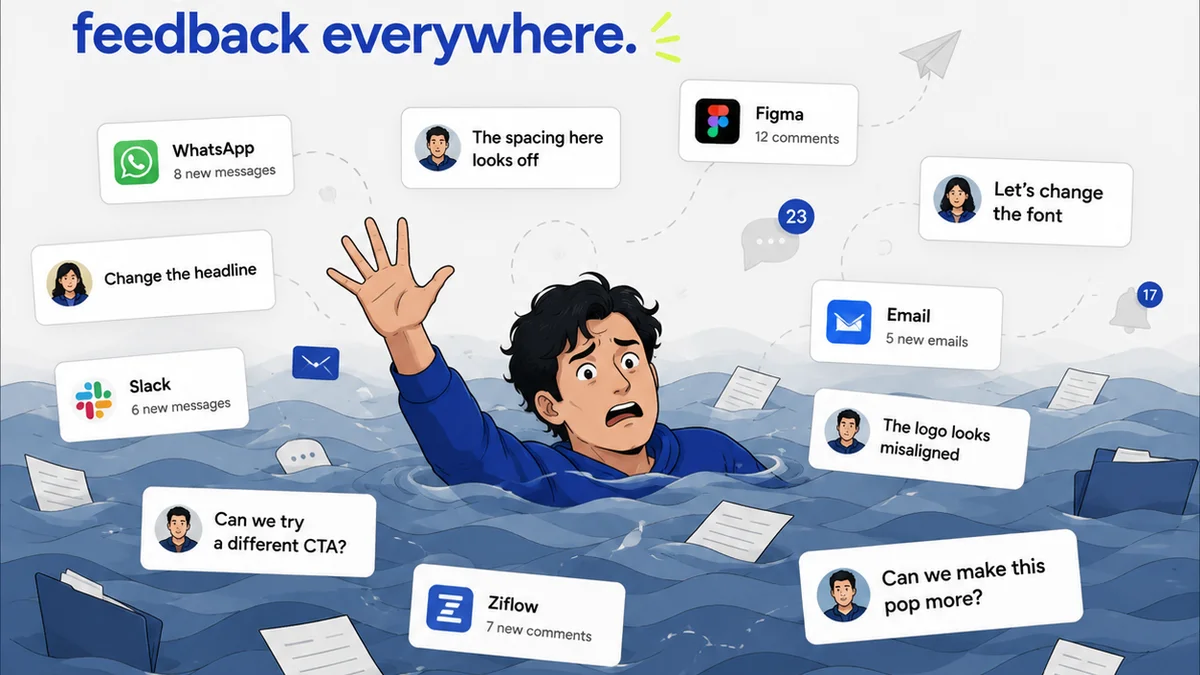
Think about your current workflow. Where do creative assets get stuck?
- Client feedback loops stretching too long?
- Internal review cycles becoming a black hole?
- Final file preparation a last-minute scramble?
These aren't isolated incidents. They're symptoms of a system that hasn't evolved with the demands of modern creative production.
What We Mean by "Packaging"
When we talk about packaging QA, we mean the entire process of preparing creative assets for delivery. This includes:
- File formatting and naming conventions.
- Resolution, color profiles, and bleed.
- Adherence to brand guidelines.
- Accessibility standards compliance.
- Ensuring all required elements are present and correct.
It’s the final gate before something goes live, gets printed, or is handed off.
And it's where most mistakes happen.
2. The Illusion of Automated Perfection
Many agencies and teams are investing heavily in automation tools. Automated file checkers, AI-powered proofing software, and sophisticated project management systems.
These are powerful. They can catch obvious errors – a missing bleed, a wrong file type, a typo in a metadata field.
But they can’t catch everything. And often, they just mask deeper process issues.
The Limitations of Tools
Automated tools are only as good as the rules you set for them. They struggle with:
- Subjective creative judgment (e.g., is this the *right* shade of blue, or just *a* blue?).
- Contextual understanding of client-specific requirements that aren't codified.
- Identifying subtle brand guideline deviations that require human interpretation.
- Detecting errors in logic or messaging that aren't simple text strings.
Relying solely on automation is like building a faster car but not fixing the potholes on the road. You’ll get there quicker, but you’ll still hit a wall.
The Human Element Remains Critical
The real value in QA isn't just finding errors. It’s understanding *why* they occurred and preventing them from happening again.
This requires human oversight, critical thinking, and a deep understanding of the project's goals and constraints.
This is where the contrarian view emerges: automation isn't replacing QA; it's changing its focus. It’s freeing up humans to do the work that machines can’t.
3. Operationalizing Quality: The Core Imperative
The future of packaging QA isn’t about a single tool or a magic algorithm. It's about embedding quality into the very fabric of your operations.
This means moving beyond reactive checking to proactive prevention.
Building Quality In, Not Bolting It On
How do you make quality an operational standard?
- Standardize Everything Possible: Develop robust templates, style guides, and file-naming conventions. Make them accessible and mandatory.
- Define Clear Deliverable Specs Upfront: Before a project starts, agree on exactly what the final assets need to be. Document formats, dimensions, color spaces, and naming.
- Integrate Checkpoints: Build QA steps into your project timeline, not just at the end. This could be a pre-render check, a pre-export check, or a pre-delivery sanity check.
- Empower Your Teams: Train everyone involved in production on quality standards and best practices. Make QA a shared responsibility.
- Feedback Loop for Improvement: When errors *do* occur, conduct a brief post-mortem. Update your checklists, templates, or training based on findings.
This isn’t about adding more steps. It’s about making the *right* steps happen consistently.
The Role of Process Documentation
Your processes need to be clearly documented and easily accessible.
Think of it like a recipe. If the recipe is vague, the dish will be inconsistent. If it’s precise and followed correctly, you get the same great result every time.
This documentation should cover:
- File preparation guidelines.
- Brand compliance rules.
- Client-specific delivery requirements.
- Internal review and approval workflows.
Making this information readily available reduces guesswork and ensures everyone is working from the same playbook.
4. Where Revue Fits In
Managing this operationalized approach to quality requires visibility and control. This is where a platform like Revue becomes essential.
Revue isn't just a feedback tool; it's a central hub for managing the entire creative lifecycle, including the critical QA phase.
Centralized Feedback and Revision Tracking
Client feedback is often a source of errors. Misinterpretations, lost comments, and endless email chains can lead to incorrect revisions.
Revue centralizes all feedback directly on the assets. This means:
- Clear, contextual comments.
- Version history that shows what changed and why.
- An auditable trail of approvals and feedback cycles.
This clarity prevents the kind of miscommunication that leads to QA failures.
Streamlining Revision and Approval Workflows
The revision and approval process itself is a major QA hurdle. Delays here lead to rushed final output.
Revue provides clear visibility into where a project stands.
- See who needs to review what.
- Track progress through defined stages.
- Automate notifications to keep things moving.
This keeps the creative production pipeline flowing smoothly, reducing the last-minute rush that compromises quality.
Facilitating Quality Checks
Ultimately, Revue acts as the final gatekeeper before delivery.
- Ensure all required approvals are logged.
- Verify that all feedback has been addressed.
- Confirm that the final packaged files meet the agreed-upon specifications, which can be referenced within Revue’s project context.
It transforms QA from a chaotic final check into a structured, documented part of the delivery process.
5. The Future is Integrated, Not Isolated
The trend lines are clear: creative production will only get faster and more complex. The demands on QA will only increase.
Agencies and creative teams that treat QA as an afterthought, a separate checklist, or purely an automated task will fall behind.
The organizations that thrive will be those that have operationalized quality. They’ve built systems where quality is a default, not an exception.
Embedding Quality Culture
This requires more than just tools and processes. It requires a culture that values meticulousness and attention to detail at every stage.
It means empowering team members to speak up when something isn’t right.
It means leadership prioritizing the resources and time needed for proper QA, even under pressure.
Looking Ahead: Beyond 2026
As AI continues to evolve, it will undoubtedly play a larger role. It might automate more complex checks, predict potential issues based on historical data, or even assist in generating standardized documentation.
But the core principle will remain: technology is an enabler, not a replacement for intelligent, integrated operational quality.
Final Thought
Is your packaging QA process a safety net catching errors, or a well-oiled machine that prevents them from occurring in the first place? The answer reveals more about your operational maturity than any checklist ever could.
Frequently asked questions
What is the biggest misconception about packaging QA in 2026?
The biggest misconception is that packaging QA is solely about automation and AI tools. While these are important, they are only effective when integrated into a robust operational system that emphasizes human oversight, clear processes, and a culture of quality.
How does the increasing pace of creative work impact packaging QA?
The accelerating pace of creative work puts immense pressure on traditional QA processes, often leading to errors. This necessitates a shift from reactive checking to proactive, integrated quality measures built into the workflow from the start.
Can automated QA tools replace human reviewers?
Automated QA tools can catch many technical errors but struggle with subjective judgment, contextual understanding, and nuanced brand guideline adherence. Human reviewers remain critical for interpreting context and ensuring creative integrity.
How can agencies operationalize quality assurance?
Operationalizing QA involves standardizing processes, defining clear deliverable specifications upfront, integrating quality checkpoints throughout the production timeline, empowering teams with training, and establishing feedback loops for continuous improvement.
How does a platform like Revue help with packaging QA?
Revue centralizes feedback, tracks revisions, and provides visibility into approval workflows, reducing miscommunication and delays that lead to QA issues. It acts as a control point, ensuring all requirements are met before final delivery.