Everyone thinks packaging quality assurance is just a final check before print. A quick once-over to catch obvious errors. None of that is wrong. But it’s incomplete.
The hard truth? Packaging QA is a continuous thread woven through the entire creative and production process, not just a final hurdle. It’s about safeguarding the brand, the client relationship, and your agency’s reputation at every single step.
1. The Illusion of the Final Check
Many agencies treat packaging QA as a discrete, final phase. The design is approved, the specs are set, and then someone (often on the account team) gives it a look.
This approach is fundamentally flawed. It assumes that no errors have crept in during design, prepress, or even manufacturing. It’s a reactive stance, not a proactive one.
What does this look like in practice?
- Missed color shifts that only become apparent in production.
- Incorrect dimensions that cause fit issues.
- Typos or grammatical errors that undermine professionalism.
- Inconsistent branding elements that dilute the message.
- Non-compliance with regulatory or retailer requirements.
By the time these issues are caught, they’re expensive and time-consuming to fix. Sometimes, they can’t be fixed without significant delays or cost overruns.
2. Shifting QA from a Gate to a Process
True packaging quality assurance isn't a single gate; it’s a continuous process. It starts the moment a packaging brief hits your desk and continues through final delivery.
This means integrating QA considerations into every stage:
Design Phase QA
Even at the earliest stages, QA is critical. Are the proposed materials suitable for the product and the intended shelf life? Does the structural design account for shipping and handling realities?
- Structural Integrity: Will the box collapse? Can it withstand stacking?
- Material Compatibility: Is the chosen substrate appropriate for food, liquids, or fragile items?
- Brand Guidelines Adherence: Are logos, fonts, and colors used correctly from the start?
Prepress QA
This is where many agencies still focus their QA efforts, but it needs to be more than just a PDF proof review.
Think about:
- Color Management: Ensuring files are set up for the correct print process (CMYK, spot colors, Pantone matching). This is crucial for brand consistency. A slight color deviation can ruin a brand’s perceived quality.
- Die-lines and Die-cuts: Verifying that cut lines are accurate, bleed is sufficient, and that the die-line matches the structural design.
- Text and Barcode Legibility: Checking that all text, especially small print and barcodes, will reproduce clearly and be scannable.
- Regulatory Compliance: Double-checking ingredient lists, nutritional information, warning labels, and country of origin statements against current regulations. For example, understanding FDA food labeling requirements is non-negotiable for food packaging.
Production QA
This phase involves checks at the printer and sometimes even at the contract packager.
Key areas include:
- Ink Density and Trapping: Ensuring inks are applied correctly and colors are balanced.
- Registration: Making sure different color plates align perfectly.
- Varnish and Coatings: Verifying application and finish are as specified.
- Die-Cutting Accuracy: Confirming the final cut is precise and clean.
Post-Production & Fulfillment QA
The final checks before the product hits the shelves or goes out to consumers.
- Assembly Accuracy: If the packaging requires assembly, is it done correctly?
- Packing Accuracy: Are the correct products being placed in the correct packaging?
- Shipping Damage Assessment: Are there any signs of damage from transit?
3. The Hidden Costs of Neglecting Packaging QA
When packaging QA is an afterthought, the costs aren't just monetary. They’re existential.
Consider these impacts:
- Brand Damage: Flawed packaging communicates carelessness. It suggests the product inside might be equally flawed.
- Client Dissatisfaction: Clients entrust you with their brand. Delivering subpar packaging erodes that trust.
- Recalls and Returns: Incorrect information or product damage can lead to costly recalls or a flood of customer returns.
- Legal Ramifications: Non-compliance with regulations can result in fines or lawsuits.
- Lost Sales: Poorly executed packaging simply doesn't sell. It can actively deter consumers.
These aren't abstract possibilities. They are the direct consequences of treating packaging QA as a mere formality.
4. Building a Robust Packaging QA Framework
So, how do you move from a reactive check to a proactive process? It requires a structured approach.
a. Clearly Defined Specifications
Every project needs a comprehensive specification document. This isn't just about dimensions and materials. It includes:
- Brand guidelines (logo usage, color palettes, typography).
- Print specifications (color profiles, ink types, finishes, coatings).
- Structural requirements (fold lines, glue tabs, opening mechanisms).
- Regulatory requirements (legal disclaimers, ingredient lists, certifications).
- Performance requirements (durability, shelf life, environmental considerations).
b. Checklists and Templates
Develop standardized checklists for each stage of the process. These should be tailored to the specific project type and print method.
Use templates for proofs, die-lines, and spec sheets to ensure consistency.
c. Cross-Functional Collaboration
QA isn't just for the production department. It needs buy-in and involvement from:
- Account Management: To ensure client expectations are managed and communicated.
- Designers: To catch aesthetic and brand guideline issues early.
- Production Managers: To oversee technical print and structural checks.
- Legal/Compliance: To verify regulatory adherence.
Everyone plays a role in quality.
d. Proofing and Mock-up Strategy
Don't rely solely on digital proofs. Utilize physical mock-ups and press proofs at critical junctures.
A high-quality digital rendering is one thing. Holding a physical mock-up that accurately represents the final materials and finishes is another. This is where subtle issues often reveal themselves.
e. Vendor Management
Your print and packaging vendors are critical partners. Establish clear communication channels and expectations for their QA processes. Understand their capabilities and limitations.
Hold them accountable for delivering to spec.
Where Revue Fits In
Managing a complex packaging project with multiple stakeholders and iterative feedback loops can be chaotic. Ensuring every detail is captured and acted upon requires robust systems.
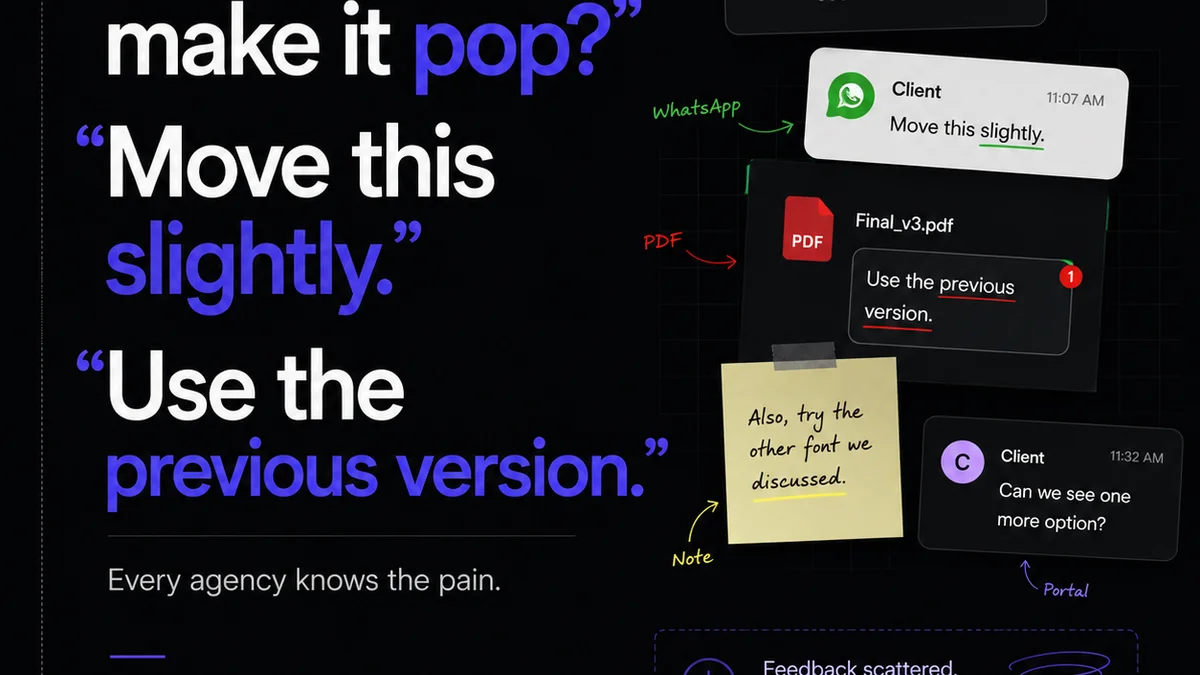
Revue helps streamline this entire process. Centralized feedback means all comments, from design iterations to final print proofs, live in one place. This eliminates the confusion of scattered email threads or lost notes.
Revision and approval tracking provides a clear, auditable history of who signed off on what, and when. This is invaluable for packaging QA, where a single approval on a specific proof can prevent major issues down the line.
When it’s time for final quality checks, having all assets and feedback documented within Revue ensures your team is working from the single source of truth. This visibility is key to catching errors *before* they go to print, saving time, money, and preventing brand damage.
Final Thought
Packaging is often the first physical interaction a consumer has with a product. It’s a silent salesperson, a brand ambassador, and a critical component of the overall customer experience.
Are you treating your packaging QA with the strategic importance it deserves, or are you still just ticking boxes at the end?
Frequently asked questions
What is the most common mistake agencies make in packaging QA?
The most common mistake is treating packaging QA as a final sign-off rather than an integrated process throughout design and production. This reactive approach leads to costly errors discovered too late.
How can I ensure color accuracy in packaging?
Ensure files are set up for the correct print process (CMYK, spot colors, Pantone). Use calibrated monitors, provide clear color specifications, and review physical press proofs under accurate lighting conditions. Collaboration with your printer is key.
What role does regulatory compliance play in packaging QA?
Regulatory compliance is critical and non-negotiable. It involves rigorously checking ingredient lists, nutritional information, warning labels, and country of origin statements against current laws and industry standards for the target market. Failure can lead to legal issues and recalls.
How can a project management tool like Revue help with packaging QA?
Revue centralizes all feedback, proofs, and approvals in one place. This provides a clear audit trail, ensures everyone is referencing the latest version, and makes it easier to track sign-offs, significantly reducing the risk of errors during the QA process.