Everyone thinks packaging Quality Assurance is simple. You check the artwork against the brief, make sure the dimensions are right, and confirm the legal text is included. That’s the surface. It’s not wrong, but it’s dangerously incomplete.
The hard truth? Most companies fail at packaging QA because they treat it as a final, isolated check rather than an integrated process. They’re looking for mistakes, not preventing them. This leads to missed deadlines, costly reprints, and damaged brand reputation.
1. The Illusion of a 'Final Check'
The biggest trap is believing QA is something you do *at the end*. Like a last-minute once-over before hitting 'send' on a client project.
Packaging design and production are complex, multi-stage journeys. Each step introduces potential for error.
If your QA process only starts when the files are supposedly 'final,' you’re already behind.
Common Symptoms of Late-Stage QA
- Endless rounds of 'minor' tweaks that derail timelines.
- Misunderstandings about approved copy or imagery surfacing only when plates are being made.
- Legal or regulatory non-compliance discovered after significant investment in tooling.
- Finger-pointing between design, legal, production, and marketing teams.
This reactive approach is a recipe for disaster. It assumes perfection in every preceding step, which is never the case.
2. Neglecting the 'Why' Behind the 'What'
Packaging QA often focuses solely on the *what*: Does the logo look right? Is the barcode scannable? Is the Pantone color correct?
This misses the crucial *why*: Why was this specific color chosen? What is the strategic goal of this packaging? Who is the target consumer for this specific variant?
Without understanding the strategic context, a QA team can't effectively identify deviations that matter.
The Strategic Blind Spot
Consider these scenarios:
- Brand Consistency: A slightly off-brand shade of blue might pass a color check but fail to align with the overall brand guidelines or campaign messaging.
- Target Audience Resonance: Imagery or copy that is technically correct might alienate the intended demographic if the QA team isn’t aware of the target audience profile.
- Market Differentiation: Competitor packaging might look similar, but a QA team unaware of the competitive landscape might approve a design that fails to stand out on the shelf.
Effective packaging QA requires an understanding of the brand strategy, the marketing objectives, and the competitive environment. It’s not just about technical accuracy; it’s about strategic alignment.
3. Siloed Information and Communication Breakdown
Packaging projects involve multiple stakeholders: marketing, legal, R&D, sales, production, and external agencies. Information often lives in disparate documents, email threads, and individual inboxes.
This fragmentation is a breeding ground for errors. A crucial update from legal might be missed by the design team, or a production constraint might be unknown to marketing.
The Cost of Disconnected Data
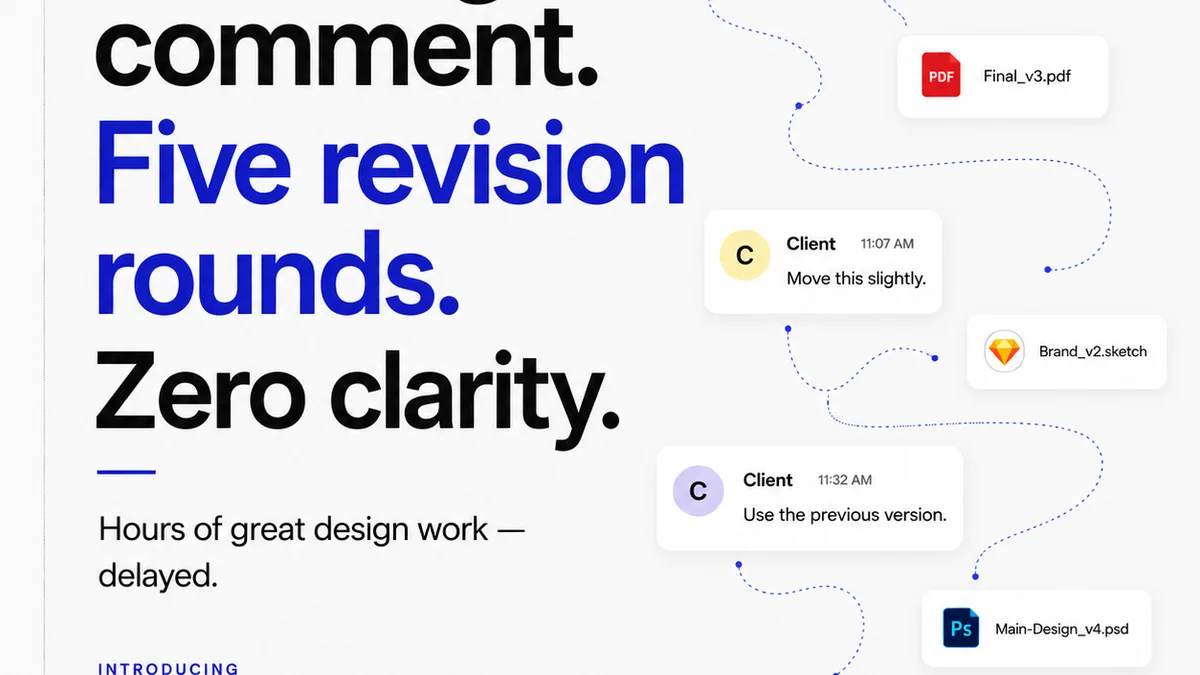
- Version Control Nightmares: Which PDF is the *real* final artwork? Teams waste hours chasing down the correct version.
- Lost Feedback: A key stakeholder's comment buried in an email chain gets overlooked, leading to a critical omission.
- Assumption Overload: Teams make decisions based on outdated information or incomplete briefs.
- Redundant Work: Designs are created based on specs that have since changed.
When information isn't centralized and easily accessible, QA becomes a game of chance, not a systematic process.
4. Insufficient Technical Expertise
Packaging QA isn't just about graphic design principles. It requires a specific understanding of:
- Print Production: Color profiles (CMYK, RGB, spot colors), bleed, trim, trapping, ink coverage, and different printing methods (offset, flexo, digital).
- Material Science: How different substrates (cardboard, plastic, foil) affect print and finish.
- Structural Design: Die-lines, fold lines, structural integrity, and assembly instructions.
- Regulatory Compliance: Specific labeling requirements for different regions and product types (food, pharmaceuticals, cosmetics).
- Digital Asset Management: Ensuring correct file formats, resolutions, and naming conventions for various outputs.
If your QA team lacks this specialized knowledge, they’re essentially checking for errors they can’t even identify.
Bridging the Knowledge Gap
This doesn't mean every QA person needs to be a print production expert. But it does mean:
- Having clear, documented specifications for each of these areas.
- Providing training or access to subject matter experts.
- Building checklists that prompt consideration of these technical factors.
A shallow QA process leads to shallow results.
5. Over-Reliance on Manual Checks
Many teams still rely heavily on manual, visual inspection for every aspect of packaging QA. While human eyes are crucial, they are prone to fatigue and oversight, especially when dealing with repetitive tasks.
This is particularly true for details like:
- Tiny text legibility.
- Subtle color variations across large print areas.
- Ensuring consistency across multiple SKUs.
- Verifying dynamic data like batch codes or expiration dates.
Manual checks are necessary, but they are not sufficient. They are slow, expensive, and error-prone when used as the sole method.
The Power of Automation
Leveraging technology can significantly enhance packaging QA:
- Automated Color Verification: Tools can check color accuracy against defined standards.
- Text and Data Verification: Software can compare copy against approved source documents, flagging discrepancies.
- Image Comparison Tools: Automatically identify differences between design versions.
- Barcode Scanners: Ensure scannability and accuracy.
Automation doesn't replace human oversight; it augments it, freeing up experts to focus on more complex strategic and technical checks.
Where Revue Fits In
The challenges in packaging QA stem from a lack of integration, poor communication, and scattered information. This is precisely where a platform like Revue can make a critical difference.
Revue acts as a central hub for your creative projects, including packaging design.
Centralized Feedback and Approvals
Instead of chasing down feedback across emails and Slack channels, all comments and revisions on packaging artwork can live within Revue. Stakeholders can provide feedback directly on the design files, ensuring context is never lost.
Revision and Approval Visibility
Track every version of the packaging artwork, who approved what, and when. This creates an undeniable audit trail, reducing the risk of outdated files being used and clarifying responsibilities.
Integrated Quality Checks
By bringing all project assets and communication into one place, Revue helps ensure that the 'why' isn't lost for the 'what.' Marketing objectives, legal disclaimers, and production notes can all be associated with the design files. This makes it easier for reviewers to perform checks that are not just technically accurate but also strategically sound.
When your packaging workflow is streamlined and transparent, your QA process becomes inherently more robust.
Final Thought
Is your packaging QA process designed to catch errors, or is it built to prevent them? The distinction is critical. Shifting from a purely reactive check to a proactive, integrated process is the only way to truly de-risk packaging development and ensure your products hit the market flawlessly.
Frequently asked questions
What is the most common mistake companies make in packaging QA?
The most common mistake is treating packaging Quality Assurance as a final, isolated check rather than an integrated process that begins early and involves all stakeholders.
How does poor communication impact packaging QA?
Siloed information and communication breakdowns lead to version control issues, missed feedback, outdated information being used, and redundant work, all of which increase the likelihood of errors in the final packaging.
What technical expertise is needed for effective packaging QA?
Effective packaging QA requires knowledge of print production (color profiles, bleed, trapping), material science, structural design (die-lines), regulatory compliance, and digital asset management.
Can automation improve packaging QA?
Yes, automation can significantly enhance packaging QA by handling tasks like color verification, text comparison, and image difference detection, freeing up human reviewers for more complex strategic checks.
How can a platform like Revue help with packaging QA?
Revue centralizes feedback, approvals, and project assets, providing visibility into revisions and creating an audit trail. This transparency helps ensure that QA checks are thorough, strategic, and based on the most current information.