Everyone talks about packaging design. The form, the function, the shelf appeal. It’s the sexy part of the job.
But the real money, the real client trust, is built on something far less glamorous: packaging QA. Quality Assurance.
Many assume packaging QA is just a final check for printing errors. A quick once-over before hitting send. None of that is wrong. But it’s incomplete.
The Hard Truth: Packaging QA is Operational Rigor, Not Just a Checklist
The hard truth is that effective packaging QA is an integrated process, not an afterthought. It’s about building quality into every step, from concept to final production, to prevent costly mistakes and protect your agency’s reputation.
Think of it as the bedrock of your client’s product success. Flaws here don't just look bad; they can halt production, damage brand perception, and lead to expensive recalls.
1. Defining Packaging Quality Assurance
Packaging QA is the systematic process of ensuring that finished packaging meets all specified requirements and standards. This goes far beyond spotting a typo.
It encompasses:
- Structural integrity: Does the box fold correctly? Is the material strong enough?
- Material compliance: Is the paper stock as specified? Is the finish consistent?
- Print accuracy: Are colors within tolerance? Is the artwork sharp and correctly placed?
- Regulatory adherence: Does it meet all legal labeling requirements?
- Functional performance: Is the seal secure? Is it easy to open (or hard to open, if that's the goal)?
- Brand consistency: Does it align with brand guidelines in every detail?
Why It Matters More Than You Think
A robust packaging QA process directly impacts:
- Client Satisfaction: Delivering perfect product packaging builds trust and leads to repeat business.
- Brand Reputation: Flawed packaging reflects poorly on both the brand and the agency that designed it.
- Cost Control: Catching errors early prevents expensive reprints, wasted materials, and potential recall costs.
- Market Compliance: Ensuring all necessary information and certifications are present avoids legal and logistical nightmares.
2. The Packaging QA Workflow: From Brief to Box
Effective packaging QA isn't a single event; it's a series of checks woven throughout the project lifecycle.
2.1. Briefing and Conceptualization
Quality starts with clarity. Misunderstandings at this stage are the root of many later problems.
- Crystal Clear Briefs: Ensure the client brief details all material requirements, finish specifications, structural needs, and regulatory constraints.
- Material Testing: If using novel materials or finishes, conduct early tests for durability, printability, and foldability.
- Structural Prototypes: Create physical mock-ups early to test the structural design’s viability and user experience.
2.2. Design and Pre-Production
This is where the digital design meets the physical reality. Precision is paramount.
- Color Management: Establish clear color targets (e.g., Pantone codes, CMYK profiles) and communicate them to the printer. Understand the difference between screen color and print color.
- Artwork Finalization: Ensure all dielines, bleeds, trim marks, and fold lines are correctly set up. Verify that text is outlined and images are embedded at the correct resolution.
- Die-Line Verification: Double-check the die-line against the structural design and the printer’s specifications. A misaligned die-line means a mis-cut box.
- Proofing Process: Implement a multi-stage proofing process.
2.3. Proofing Stages
This is where most visible errors are caught. Don’t rush it.
- Digital Proofs (Soft Proofs): These are essential for initial layout, copy, and color checks. However, they are not color-accurate representations of the final print.
- Contract Proofs (Hard Proofs): These are high-quality, color-calibrated prints that simulate the final output. They are crucial for final color and detail approval. Ensure you specify the exact paper stock and finish for contract proofs.
- Press Checks: Ideally, attend the press check. This is your last chance to catch issues on the actual production run. Focus on color, registration, and any finishing effects.
2.4. Pre-Shipment Inspection
Before the boxes leave the printer or manufacturer, a final check is critical.
- Random Sampling: Implement a statistically sound sampling method to inspect a representative batch of finished units.
- Checklist Verification: Use a detailed checklist covering all critical aspects: print quality, structural integrity, count, and packaging for shipping.
- Documentation: Record all inspection findings, including any discrepancies or issues.
3. Common Packaging QA Pitfalls (and How to Avoid Them)
Even with the best intentions, mistakes happen. Knowing the common failure points is half the battle.
3.1. Color Mismatches
Assumption: My monitor shows the right color, so the print will be fine.
Reality: Monitors are calibrated differently and display colors in RGB. Printing uses CMYK or spot colors, which have a different gamut. The physical substrate also affects color perception.
- Avoidance: Specify exact Pantone colors. Use calibrated monitors and proofing systems. Approve contract proofs on the actual production stock. Understand color profiles.
3.2. Structural Failures
Assumption: The 3D model looked good, so the physical structure will work.
Reality: Digital models don't always account for material thickness, scoring, folding tolerances, or the stress of packing and shipping.
- Avoidance: Create physical prototypes early. Test folding and assembly. Specify appropriate board weight and scoring. Ensure the die-line accurately reflects the structural design.
3.3. Print Misregistration and Smudging
Assumption: The printer is experienced; they’ll get it right.
Reality: High-speed printing presses can drift. Complex designs with fine details or metallic inks are more susceptible to misregistration or smudging.
- Avoidance: Use thicker lines and avoid fine details near fold or cut lines where possible. Specify appropriate ink types and drying times. Attend press checks for critical jobs.
3.4. Incorrect Information or Compliance Issues
Assumption: The client provided all necessary text; it just needs to be placed.
Reality: Regulatory requirements change, and clients may not be aware of all necessary disclaimers, ingredient lists, or certifications for specific markets.
- Avoidance: Build a dedicated review step for all legal and regulatory text. Consult with the client’s legal or compliance teams. Use checklists for common requirements (e.g., nutritional info, recycling symbols).
3.5. Material Defects
Assumption: The chosen paper stock is standard; it will be perfect.
Reality: Even standard materials can have batch variations, inconsistencies in coating, or physical defects like dents or tears.
- Avoidance: Specify material certifications if needed. Request material samples before final production. Inspect incoming stock if possible.
4. Tools and Technologies for Better Packaging QA
Leveraging the right tools can significantly enhance your QA process.
- 3D Visualization Software: Tools like Adobe Dimension or Cinema 4D allow for realistic mock-ups before physical prototyping.
- Color Management Software: Tools for profiling monitors and printers ensure color consistency.
- Project Management Software: Essential for tracking approvals, revisions, and communication across the team and with the client.
- Version Control Systems: Crucial for managing artwork files and ensuring everyone is working on the latest iteration.
- Dedicated QA Platforms: While not always specific to packaging, platforms designed for visual feedback and annotation can streamline the proofing process.
Where Revue Fits In
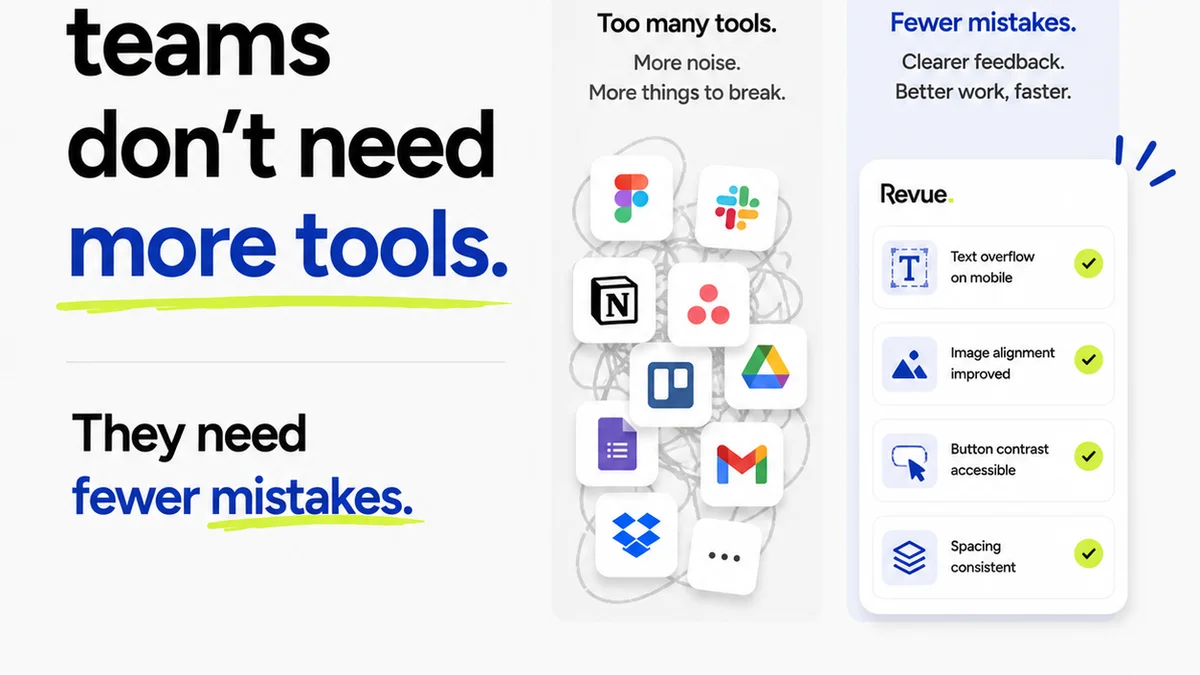
Managing the complexities of packaging design and its rigorous QA process requires centralized oversight. This is where a platform like Revue becomes invaluable.
Instead of scattered email threads and lost feedback, Revue provides a single source of truth for all client communication and approvals related to packaging projects. You can:
- Centralize Feedback: All comments, annotations, and stakeholder feedback on artwork, structural proofs, and color proofs live in one place, linked to specific project versions.
- Streamline Revisions: Clearly track which feedback has been actioned, which is pending, and which has been rejected, with clear audit trails.
- Manage Approvals: Formalize the sign-off process for key stages like artwork finalization and contract proof approval, reducing ambiguity and the risk of errors slipping through.
- Ensure Quality Checks: Use the platform’s structured workflow to build in mandatory QA steps, ensuring no critical element is missed before final production.
By bringing order to the chaos of client feedback and revisions, Revue helps ensure that the detailed requirements of packaging QA are met consistently, project after project.
5. Building a Culture of Quality
Beyond processes and tools, a genuine commitment to quality is essential.
This means empowering your team to raise concerns, fostering open communication with printers and suppliers, and viewing QA not as a burden, but as a critical part of delivering value to your clients.
It’s about proactive problem-solving, not just reactive damage control.
Final Thought
Packaging is often the first physical interaction a customer has with a product. It’s a tangible representation of the brand and the quality within. Is your agency treating the QA process with the strategic importance it deserves, or is it still just a final tick-box exercise?
Frequently asked questions
What is the difference between soft proof and hard proof in packaging QA?
A soft proof is a digital representation of the artwork on a screen, useful for initial layout and copy checks but not color-accurate. A hard proof (or contract proof) is a high-quality print on the actual production stock, calibrated for color accuracy, and is crucial for final approval of color, detail, and finish.
How can agencies prevent color mismatches in packaging production?
Specify exact Pantone colors, use calibrated monitors and proofing systems, approve contract proofs on the intended production stock, and understand the color gamuts of both digital displays and print processes (CMYK vs. RGB, spot colors).
What role does structural integrity play in packaging QA?
Structural integrity ensures the packaging functions as intended—it can hold the product, withstand shipping, and is easy (or difficult, if required) to open. QA checks include verifying the die-line, material strength, scoring, and foldability through physical prototypes and inspections.
How can feedback be managed effectively during the packaging design and QA process?
Using a centralized platform for feedback and approvals, like Revue, is key. This ensures all comments are documented, tracked, and actioned, preventing confusion and ensuring all stakeholders are aligned on revisions and final sign-offs.