Everyone thinks packaging QA is about catching typos and color shifts. That’s not wrong. But it’s woefully incomplete.
The real challenge for creative leaders isn’t just spotting errors; it’s building a system that prevents them and scales with your agency. It’s about operational rigor meeting creative excellence.
1. The Rise of the 'Connected' Pack
Packaging isn't a static box anymore. It’s a digital gateway. Think QR codes linking to AR experiences, NFC tags for loyalty programs, and direct-to-consumer pathways embedded right into the physical product.
This means your QA process needs to extend beyond print specs.
The New QA Checklist Includes:
- QR code scannability and correct URL linking.
- NFC tag functionality and accuracy.
- Integration with digital platforms (app links, website redirects).
- Data privacy compliance for any user-facing digital elements.
- User experience of the digital touchpoint itself.
If your team isn't thinking about how the physical pack interacts with the digital world, you're already behind.
2. Sustainability Demands New Scrutiny
The push for eco-friendly packaging isn't just a marketing angle; it's a regulatory and consumer mandate. This puts immense pressure on design and production.
Your QA needs to verify not just the aesthetic but the *substance* of sustainability claims.
Is the material truly recyclable in the target market? Are the inks non-toxic and compostable if claimed? Is the reduction in material weight significant, or just a gimmick?
Key Verification Points for Sustainable Packaging:
- Material certifications (FSC, recycled content, compostability).
- Ink and adhesive compliance with environmental standards.
- End-of-life instructions clarity for consumers.
- Supply chain transparency for material sourcing.
- Weight and volume reduction metrics.
Misrepresenting sustainability is a fast track to brand damage. Your QA must be the gatekeeper.
3. Global Consistency is Non-Negotiable
Brands are global. Packaging needs to be too. Yet, achieving perfect consistency across different regions, languages, and printing technologies is a nightmare.
Variations in local regulations, cultural sensitivities, and printing capabilities can all derail a unified brand experience.
Your QA process needs a robust system for managing regional adaptations without sacrificing brand integrity.
Strategies for Global Packaging QA:
- Centralized brand asset management for packaging die-lines and artwork.
- Clear guidelines for localization (language, imagery, legal disclaimers).
- Regional print partner audits and standardized color profiles.
- A feedback loop to capture and disseminate learnings across markets.
- Digital proofing tools that simulate regional print conditions.
A single off-brand pack in one market can echo globally.
4. The Data-Driven Pack: Smart Packaging QA
Smart packaging generates data. From supply chain tracking to consumer engagement metrics, the physical pack is becoming a data source.
This introduces a new layer of QA: data integrity and security.
Are the unique identifiers on each pack correct and traceable? Is the data being collected accurately? Is it secure from tampering?
Data Integrity in Packaging QA:
- Verification of unique serialization codes.
- Testing data transmission and reception from smart elements.
- Ensuring data encryption and security protocols.
- Auditing data accuracy against known inputs.
- Compliance with data privacy regulations (GDPR, CCPA, etc.).
Your packaging is now part of a larger data ecosystem. QA must protect that ecosystem.
5. AI and Automation in the QA Workflow
The manual review of packaging artwork is tedious and prone to human error. Automation is no longer a luxury; it's a necessity.
AI-powered tools can now scan artwork for common errors like color deviations, incorrect fonts, missing bleed, and even minor copy mistakes with incredible speed and accuracy.
This frees up human reviewers to focus on the strategic, nuanced aspects of packaging design and compliance.
Leveraging Automation for Packaging QA:
- Automated color verification against brand standards.
- Font consistency checks across artwork.
- Measurement and bleed checks.
- Automated comparison of artwork versions.
- AI-assisted copy review for common errors.
Don't fear automation; embrace it as an efficiency multiplier.
Where Revue Fits In
Managing the complexity of modern packaging QA requires a centralized, transparent workflow. This is where Revue excels.
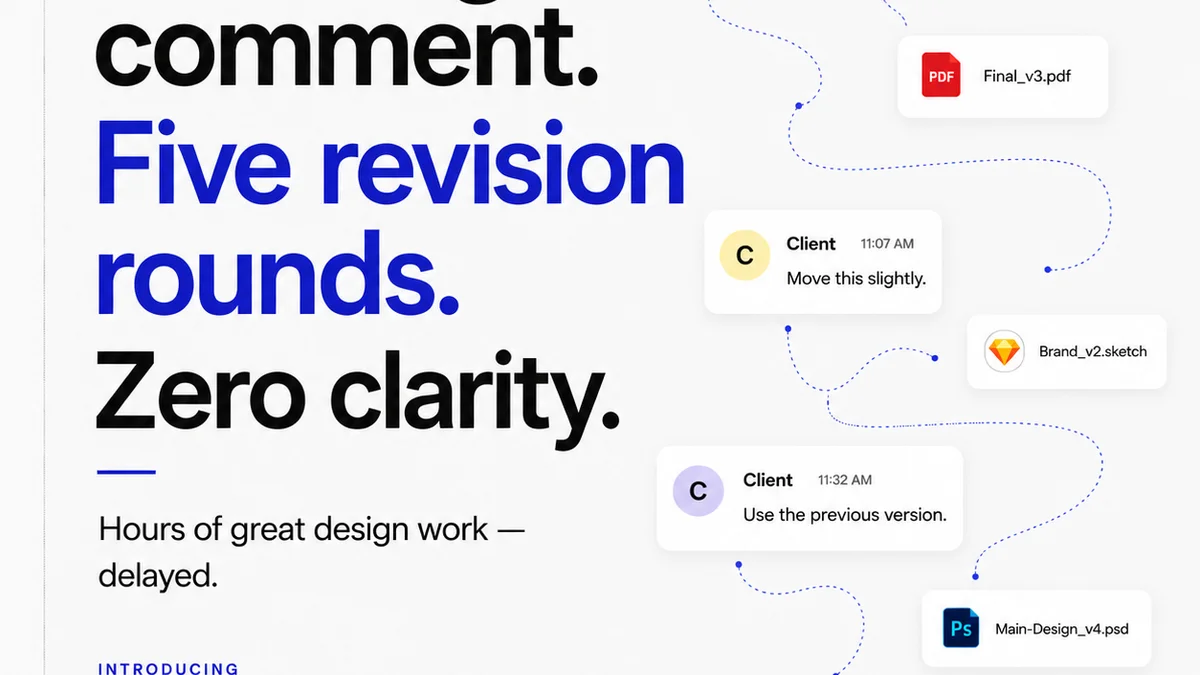
Instead of chasing feedback across emails, Slack channels, and scattered documents, Revue provides a single source of truth for all creative assets and client feedback.
You can upload packaging die-lines, artwork proofs, and even digital prototypes. Stakeholders can leave precise, contextual feedback directly on the asset. Revision history is automatically tracked, giving you a clear audit trail.
This visibility is critical for ensuring that every detail, from sustainability claims to QR code links, is reviewed and approved correctly. Revue streamlines the communication and approval process, reducing the risk of errors and speeding up time-to-market.
Final Thought
Packaging QA is evolving from a final check to an integrated strategic process. Are you equipped to handle the demands of connected, sustainable, and data-driven packaging? Or are you still stuck in the typo-checking era?
Frequently asked questions
What is the biggest shift in packaging QA today?
The biggest shift is moving beyond just print-specific checks (color, typos) to include digital integration, sustainability verification, data integrity, and global consistency. Packaging is now a multi-faceted brand touchpoint.
How can agencies ensure global packaging consistency?
This requires centralized asset management, clear localization guidelines, regional print partner audits, and robust feedback loops. Digital proofing tools that simulate regional conditions are also crucial.
Can AI really help with packaging QA?
Yes, AI can automate the detection of common errors like color deviations, font issues, and missing bleed. This frees up human reviewers to focus on more complex strategic and compliance aspects.
Why is sustainability verification important in packaging QA?
Consumers and regulators demand genuine eco-friendly practices. QA must verify material certifications, ink compliance, and accurate end-of-life instructions to prevent greenwashing and brand damage.