Everyone talks about preventing creative burnout by taking more breaks, meditating, or setting boundaries. And sure, those things help. But they’re often just band-aids on a deeper operational wound.
The real truth? Burnout in creative teams isn’t primarily a wellness problem. It’s a workflow problem.
Creative professionals aren’t machines. But they *are* professionals who need efficient systems to do their best work. When those systems break down, people break down.
1. The Myth of the 'Always On' Creative
There’s this persistent idea that great creative work comes from a state of constant, frantic inspiration. That creatives are these delicate flowers who need nurturing, but also must be perpetually 'on.' This is a recipe for disaster.
It suggests that the creative output is purely a function of innate talent and passion, rather than a process that can be optimized. It puts all the pressure on the individual, not the environment they work in.
The reality is that even the most brilliant minds need structure. They need clarity. They need to know that their effort is being channeled effectively, not wasted in endless loops of confusion.
The Cost of Chaos
What does this chaos look like in practice?
- Endless rounds of feedback that go nowhere.
- Misunderstandings about project scope and deliverables.
- Clients who don’t know what they want, but know they hate what they’re getting.
- Internal teams working in silos, duplicating effort.
- Lack of clear processes for approvals and handoffs.
Each of these points represents wasted time, energy, and mental bandwidth. They chip away at morale and, yes, lead to burnout.
2. Systems Aren't the Enemy of Creativity
Many creatives bristle at the word 'systems.' They associate it with bureaucracy, rigidity, and stifling processes. They think systems kill spontaneity and innovation.
This is a misunderstanding of what effective systems do.
Good systems don’t dictate *what* you create. They streamline *how* you create. They remove friction. They automate the mundane so you can focus on the magical.
What 'Smarter Systems' Actually Mean
Think about it:
- A well-defined brief that forces clarity upfront.
- A clear revision process that limits feedback loops.
- Automated notifications that keep everyone informed.
- Centralized platforms for storing assets and feedback.
- Defined roles and responsibilities for every stage of a project.
These aren't creativity killers. They are freedom enablers.
They free up mental space. They reduce anxiety. They ensure that the creative energy is directed at solving the problem, not navigating internal roadblocks.
3. Identifying the Burnout Triggers in Your Workflow
Burnout doesn't appear out of nowhere. It’s a cumulative effect of ongoing friction points. The first step to preventing it is identifying where that friction lives in your agency or team.
Ask yourself:
- Where do projects get stuck?
- What tasks take up disproportionate amounts of time with little creative return?
- Where is communication most likely to break down?
- What are the most common client complaints about the *process* (not just the creative)?
- Are people constantly asking for the same information or files?
Be honest. This isn't about blame; it's about diagnosis.
Common Workflow Culprits
You’ll likely find patterns:
- Unstructured Feedback: Vague comments, conflicting opinions, feedback buried in emails or Slack threads.
- Ambiguous Scope Creep: Projects expanding without clear agreement or compensation adjustments.
- Manual Handoffs: Passing files and information between departments or individuals via email, creating version control nightmares.
- Lack of Visibility: Team members and clients not knowing the status of a project or who is responsible for the next step.
- Repetitive Tasks: Manual tracking of revisions, approvals, and status updates.
These aren't just annoyances. They are direct contributors to stress, frustration, and ultimately, burnout.
4. Building Systems for Resilience
Once you’ve identified the pain points, you can start building systems to address them. This isn't about reinventing the wheel; it's about implementing established best practices and leveraging the right tools.
The Power of Clear Briefs
Start at the beginning. A robust creative brief is non-negotiable. It forces clients and internal teams to define objectives, target audiences, key messaging, deliverables, and success metrics *before* any creative work begins.
This reduces ambiguity and provides a solid foundation for the entire project.
Structured Feedback Loops
Client feedback is essential, but it needs structure. Implement a system where feedback is consolidated, prioritized, and actionable. This might involve:
- Designating a single point person for collecting and synthesizing feedback.
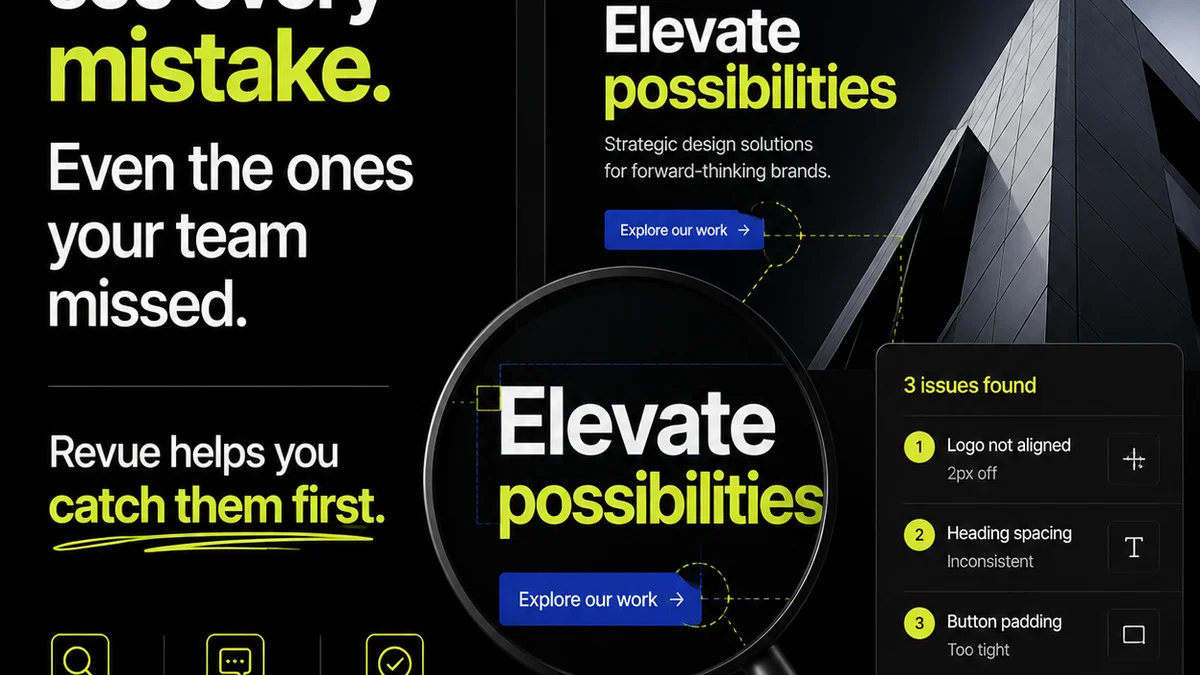
- Using annotation tools that allow for direct comments on visuals.
- Setting clear expectations for the number and type of revision rounds.
- Ensuring feedback is constructive and tied back to the brief.
This prevents the dreaded
Frequently asked questions
Is creative burnout only about working too many hours?
No. While long hours contribute, the primary driver of creative burnout is often inefficient workflows, lack of clarity, and wasted effort. Poor systems create unnecessary stress and frustration, depleting energy faster than the work itself.
How can systems actually help creativity?
Effective systems remove obstacles and streamline processes, freeing up mental energy. By automating mundane tasks and providing clear guidelines, they allow creatives to focus on problem-solving and innovation, rather than getting bogged down in administrative friction.
What's the first step to identifying workflow problems?
Start by honestly assessing where projects get stuck, where communication breaks down, and what tasks consume excessive time without creative return. Look for patterns in client complaints about the process and recurring internal bottlenecks.
How does centralized feedback help prevent burnout?
Centralized feedback systems ensure all comments are in one place, reducing confusion and the need to chase down information. This clarity prevents endless, circular revisions and ensures everyone is working from the same, up-to-date information, saving significant time and mental energy.