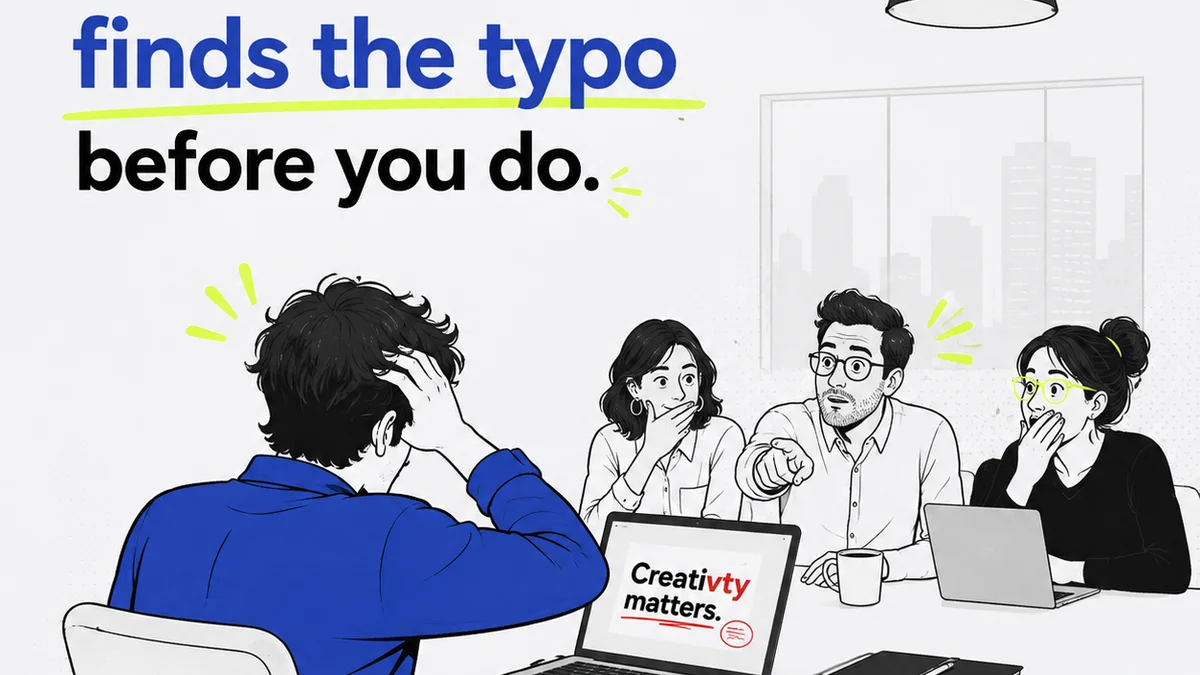
Most agencies think print production errors are just a matter of proofreading. A typo here, a misplaced logo there. None of that is wrong. But it’s incomplete.
The hard truth? Print production errors stem from deeper workflow issues: unclear communication, disconnected teams, and a lack of centralized control over the entire process.
1. The Illusion of 'Final' Approval
You get sign-off from the client. Everyone breathes a sigh of relief. But is it truly final? Often, 'final' approval is just a snapshot in time, lacking the granular detail needed for flawless execution.
This is where misinterpretations creep in. A client might approve a PDF, but the printer might use a slightly different color profile. Or a stakeholder who wasn't in the final review meeting has a last-minute
Frequently asked questions
What are the most common print production errors?
Common errors include incorrect color profiles (CMYK vs. RGB), low-resolution images, incorrect bleed and trim settings, wrong font embedding, typos, grammatical mistakes, incorrect copy, and misaligned artwork.
How can I prevent print production errors?
Prevent errors by establishing clear communication channels, using detailed production briefs, performing thorough pre-press checks, utilizing a centralized feedback and approval system, and ensuring all stakeholders understand the final specifications before sending to print.
What is bleed and why is it important in print?
Bleed is a printing term that refers to an extra margin of artwork or background color that extends beyond the trim edge of a page. It's crucial to ensure that when the page is cut to its final size, there are no unprinted edges or white slivers.
How does client feedback impact print production?
Unclear or delayed client feedback can lead to errors. Ambiguous comments, multiple conflicting revisions, or approval without a clear understanding of print specifications can all introduce mistakes that are costly to fix.