Everyone thinks print and publishing are dead. Or that they’re so simple, anyone can do them. Just hit ‘print,’ right? Or upload to the printer. Easy.
None of that is wrong. But it’s incomplete.
The real challenge for enterprise creative teams isn’t the printing or the uploading. It’s the labyrinth of feedback, approvals, and quality control that happens *before* that final file ever leaves your hands. And that’s where workflows break down, budgets balloon, and deadlines slip.
The hard truth? Mastering print and publishing in an enterprise setting is less about the final output and more about the operational rigor required to get there without a hitch.
1. Defining the 'Why' and 'Who' Before the 'What'
Before a single page is designed, or a printer is even considered, you need absolute clarity on two things: purpose and audience.
What is this piece of collateral trying to achieve? Is it a direct mail piece driving sales? A corporate report building investor confidence? A product catalog aimed at increasing order volume? Or a brand guideline document meant to ensure consistency?
Each objective demands a different approach to design, copy, and distribution. Don’t design a brochure with the same mindset you’d design a billboard.
Audience Dictates Everything
Who are you talking to? This isn’t just about demographics. It’s about their context, their expectations, and their relationship with your brand.
- A technical manual for engineers requires a different tone and information hierarchy than a glossy brand magazine for consumers.
- A pitch deck for a potential client needs to be polished and persuasive, while internal HR documents need to be clear and accessible.
- Consider their preferred format. Do they prefer digital downloads, physical mailers, or interactive PDFs?
Get this wrong, and your beautiful, perfectly printed piece might as well go straight into the recycling bin.
2. The Unseen Power of the Print Specification
This is where most enterprise projects stumble. The assumption is that the designer knows, or the printer will figure it out. This is a critical error.
A detailed print specification document is your single source of truth. It’s the blueprint for production. Without it, you’re relying on guesswork and hoping for the best.
What Goes Into a Rock-Solid Spec Sheet?
- Dimensions: The exact trim size, bleed, and safe areas. No room for interpretation.
- Paper Stock: GSM, weight, finish (coated, uncoated, matte, gloss, silk), and any special properties (recycled, FSC certified, textured).
- Color Mode: CMYK is standard for print, but specifying color profiles (e.g., SWOP v2, GRACoL 2006) is crucial for color accuracy. Spot colors (Pantone) need explicit identification.
- Finishing: Binding type (saddle stitch, perfect bind, spiral), folding, die-cutting, scoring, perforation, lamination (matte, gloss, soft-touch), spot UV.
- Quantities: The exact number of units needed.
- Delivery: Shipping addresses, timelines, and packaging requirements.
- File Format: Usually high-resolution PDF/X-1a or PDF/X-4, with specific pre-flighting instructions.
This document isn't just for the printer. It's for your internal team too. It ensures everyone is working with the same parameters.
When Specs Are Vague, Chaos Ensues
You’ll get quotes that vary wildly. The printer might make assumptions that don’t align with your brand’s premium feel. Or you might end up with a product that simply doesn’t meet expectations.
A clear spec sheet prevents scope creep and unexpected costs. It’s your shield against ‘creative interpretation’ gone wrong.
3. The Feedback Loop: From Chaotic to Controlled
This is the engine of any creative process, and it’s often the most inefficient part of print and publishing workflows.
Emails fly. Documents get forwarded. Versions get lost. Stakeholders provide feedback in conflicting ways, often on outdated versions.
The result? Endless revision cycles, miscommunications, and a final product that might be technically correct but creatively compromised.
Symptoms of a Broken Feedback Loop
- Multiple versions of the same document circulating.
- Feedback given verbally or in informal chats, never documented.
- Conflicting feedback from different stakeholders.
- “Redlining” on screenshots that are hard to interpret.
- Delays because someone is waiting for approval on a version that’s already been superseded.
- The designer spending more time chasing feedback than designing.
This isn't just annoying; it's expensive. Every extra revision cycle costs time, money, and goodwill.
Establishing Structured Approval Workflows
You need a system. Not just a shared drive, but a process.
Define clear roles: Who is the final approver? Who provides input? Who needs to be informed?
Use a centralized platform. This is non-negotiable for enterprise teams. A tool that allows for clear annotation, version control, and audit trails is essential.
Set clear deadlines for feedback. And stick to them.
4. Quality Control: The Final Gatekeeper
You’ve designed it. You’ve approved it. It’s gone to print. Now what?
Too often, quality control is an afterthought. A quick glance before shipping, or worse, no check at all until the client complains.
This is your last chance to catch errors before they become costly mistakes.
Key QC Checkpoints
- Pre-press Proofs: Request hard proofs (or at least calibrated digital proofs) from the printer. Check color, layout, and any special finishes.
- Color Accuracy: Ensure CMYK and Pantone colors match brand standards.
- Typographical Errors: Proofread every single word, even if it’s been proofed before. Names, dates, numbers, and contact info are common culprits.
- Layout Integrity: Check for misaligned elements, incorrect bleeds, or text running off the page.
- Finishing Details: Verify that all requested folds, bindings, or coatings are applied correctly.
- Quantity Verification: Before signing off on delivery, confirm the quantity received matches the order.
A robust QC process isn’t about blame; it’s about prevention. It protects your brand’s reputation and your team’s sanity.
5. Vendor Management: Choosing the Right Partners
Your printer is an extension of your team. Choosing the wrong one can sabotage even the best internal processes.
Enterprise print and publishing demand reliability, consistency, and expertise. Not all print shops are created equal.
What to Look For in a Print Vendor
- Specialization: Do they have experience with the types of projects you produce (e.g., large-format, intricate binding, short runs)?
- Reputation: Check reviews, ask for references.
- Communication: Are they proactive? Do they ask clarifying questions?
- Technical Capability: Do they have the right equipment and software to handle your files and specifications?
- Quality Control Processes: What are their internal checks and balances?
- Location & Logistics: How do they handle shipping and delivery?
- Sustainability Practices: If this is important to your brand, ensure they align.
Don’t just go with the lowest bid. Consider the total cost of ownership, which includes potential rework, missed deadlines, and brand damage from poor quality.
Where Revue Fits In
Managing complex print and publishing projects, especially across multiple departments or clients, requires more than just good design software. It demands streamlined communication and clear oversight.
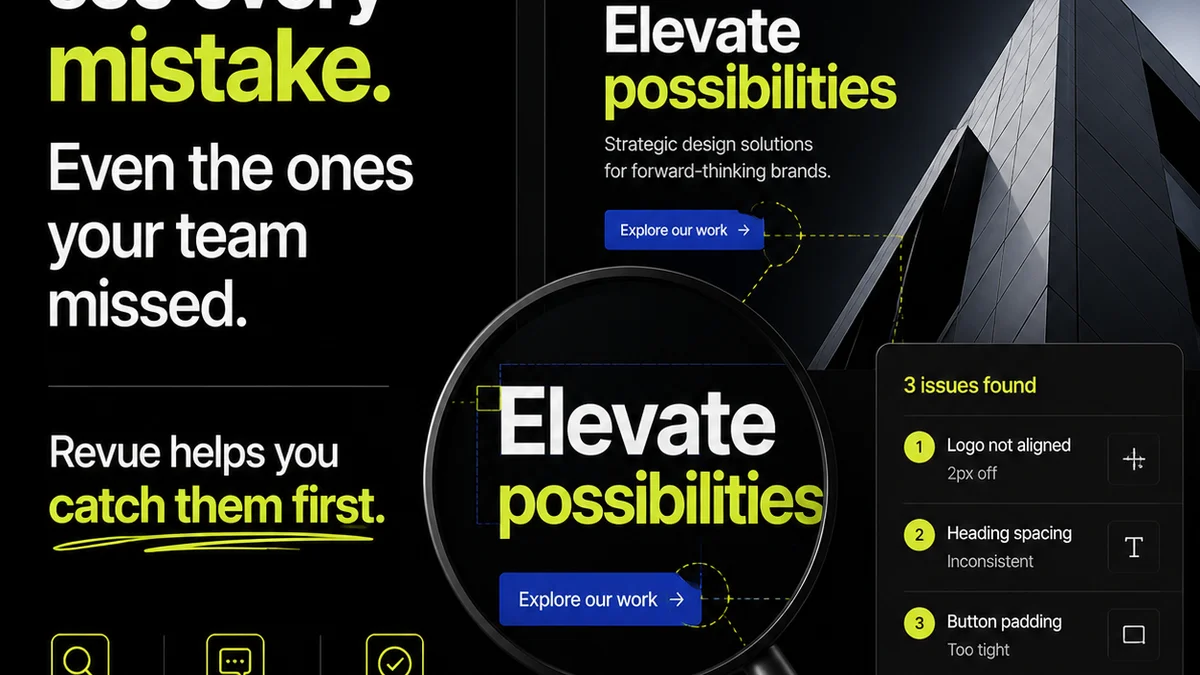
Revue acts as the central hub for all your creative assets and feedback.
- Centralized Feedback: Upload your design files, mockups, or even early drafts. Stakeholders can leave precise, contextual comments directly on the artwork, eliminating confusion and the need for endless email chains.
- Revision Control: Track every version of a design. See exactly what changed between iterations and who approved what. This creates an invaluable audit trail and ensures everyone is working from the latest, approved version.
- Approval Workflows: Set up clear, multi-stage approval processes. Ensure that critical sign-offs are obtained before a project moves to the next stage, preventing costly errors downstream.
- Quality Assurance: Use Revue to conduct final reviews. Ensure all feedback has been addressed and the file meets all specified requirements before it’s sent to the printer.
By bringing clarity and structure to the review and approval process, Revue helps enterprise creative teams move from chaotic feedback loops to controlled, efficient production, ensuring that print and publishing projects are delivered on time, on budget, and to the highest standard.
Final Thought
Print and publishing are not relics of the past. They are powerful tools for communication when executed with precision. The real magic isn't in the ink on paper, but in the disciplined workflow that gets it there.
How much operational friction is silently costing your team on every print run?
Frequently asked questions
What is the most common mistake enterprise teams make with print projects?
The most common mistake is underestimating the complexity of the pre-press and feedback stages. Teams often focus too much on the design itself and not enough on establishing clear specifications, managing stakeholder feedback efficiently, and implementing rigorous quality control before sending files to print.
Why is a print specification document so important?
A print specification document acts as the definitive blueprint for your project. It removes ambiguity for designers, printers, and stakeholders by detailing exact dimensions, paper type, color profiles, finishing requirements, and quantities. This prevents costly errors, ensures brand consistency, and provides a basis for accurate quoting.
How can creative teams improve their feedback process for print materials?
Improvement comes from structure. Define clear roles for who provides feedback and who has final approval. Use a centralized platform that supports contextual annotations and version control. Set clear deadlines for feedback and ensure all comments are documented and addressed systematically, rather than relying on scattered emails or verbal instructions.
What are the key elements to check during quality control for print?
Key QC checks include verifying color accuracy against brand standards, proofreading all text for typos and factual errors, ensuring layout integrity (bleeds, alignment), confirming that all requested finishing touches (folding, binding, coatings) are correctly applied, and finally, checking the quantity received matches the order.