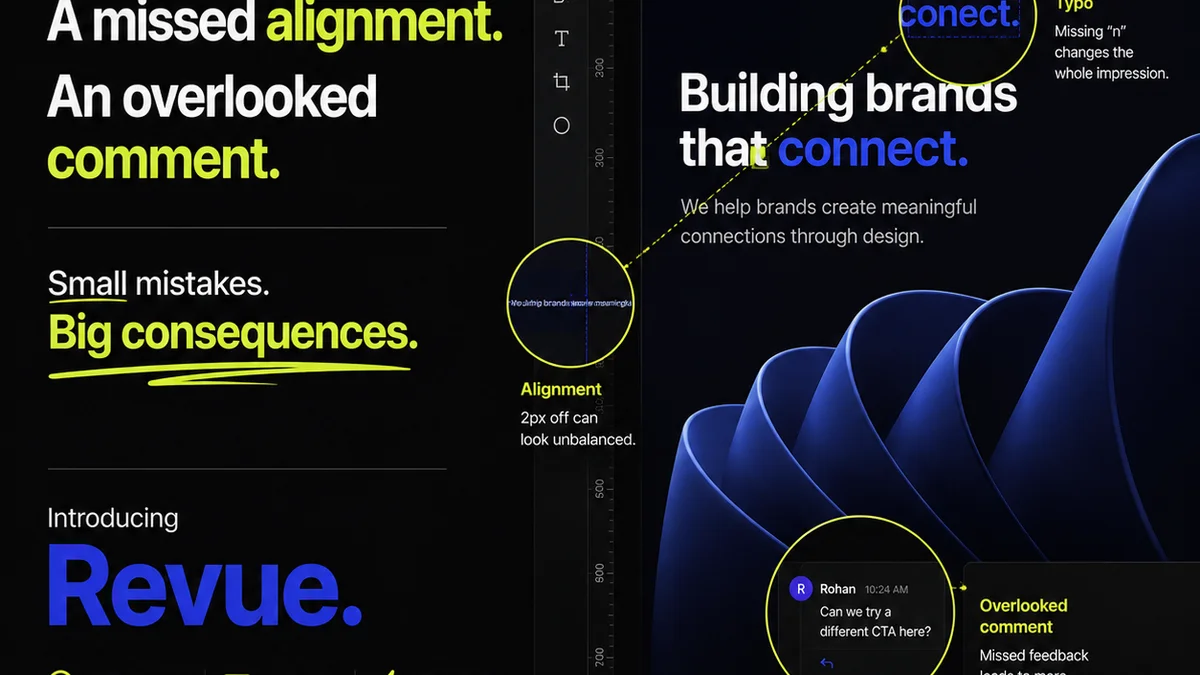
The common wisdom? Creativity and process are oil and water. That creativity thrives in chaos, in spontaneous bursts of inspiration, unburdened by structure. That process kills the muse.
None of that is wrong. But it’s incomplete.
The hard truth is that process doesn't kill creativity. It fuels it. It’s the scaffolding that allows bolder, more ambitious creative work to be built. Without it, even the most brilliant ideas can crumble under the weight of disorganization and miscommunication.
1. The Myth of the Solitary Genius
We’ve all seen the movie versions: the tortured artist, the mad scientist, the lone wolf coder. They’re brilliant, they’re unpredictable, and they operate outside the lines. It’s a romantic notion, but it rarely reflects the reality of modern creative output.
Most significant creative work is collaborative. It involves teams, deadlines, clients, and budgets. It requires coordination, iteration, and feedback.
When you strip away the romanticized myth, you see the operational reality:
- Ideas need nurturing, not just spontaneous combustion.
- Team members need clarity on their roles and objectives.
- Projects need a roadmap to navigate complexity.
- Clients need reassurance and visibility into progress.
This is where process steps in, not as a creative straitjacket, but as an enabler.
From Spark to Execution
A well-defined process takes an initial spark of an idea and guides it through the messy middle of execution. It’s about creating a predictable pathway for the unpredictable.
Think of a sculptor. They don’t just randomly chip away at a block of marble. They have a vision, they understand the material, and they employ techniques—a process—to bring their vision to life. The hammer and chisel are tools, not constraints.
2. Process as a Creative Accelerator
When teams operate without a clear process, creativity gets bogged down. The energy that should be spent on ideation is instead wasted on:
- Chasing down feedback.
- Clarifying conflicting instructions.
- Revising work that was based on outdated information.
- Navigating internal politics and miscommunication.
- Guessing what the client actually wants.
This is soul-crushing. It drains enthusiasm and makes good people question their career choices.
Structured processes, on the other hand, clear the path.
The Benefits of a Predictable Workflow
When you establish clear steps for:
- Briefing and kickoff
- Ideation and concept development
- Internal reviews and approvals
- Client feedback cycles
- Revision and final delivery
You create a frictionless environment. This frees up mental bandwidth for the actual creative thinking.
Your team can focus on solving the creative problem, not fighting the operational one.
3. Defining Your Creative Process
What does a good process look like? It’s not about rigid, one-size-fits-all templates. It’s about creating a framework that fits your team, your clients, and the nature of your work.
Key Components of a Creative Workflow
A robust process typically includes:
- Clear Briefing: Every project starts with a shared understanding of goals, audience, deliverables, and constraints. No ambiguity.
- Defined Roles: Who is responsible for what? Who makes the final call? Clarity prevents bottlenecks and confusion.
- Structured Ideation: Whether it’s brainstorming sessions, mood boards, or wireframes, have a method for generating and capturing ideas.
- Systematic Reviews: Establish distinct stages for internal critique and client review. Set expectations for the type and volume of feedback.
- Version Control: How do you track changes? How do you ensure everyone is looking at the latest version?
- Feedback Loops: How is feedback collected, consolidated, and actioned? A single source of truth is crucial.
- Approval Gates: Clearly defined points where work is signed off before moving to the next stage.
This isn't about limiting options; it’s about providing guardrails. It ensures that creative exploration happens within a productive, goal-oriented structure.
Agility Within Structure
The best processes are not rigid. They allow for flexibility and adaptation. You can pivot when necessary, but you do so from a place of informed decision-making, not reactive chaos.
This means building in checkpoints and allowing for iteration. It’s a dance, not a drill.
4. Where Revue Fits In
Managing creative workflows and client feedback can quickly become a tangled mess. Emails get lost, comments disappear into Slack threads, and version control is a constant battle.
This is precisely the operational friction that kills creative momentum.
Revue is built to solve this.
Centralized Feedback and Visibility
Imagine a single platform where all client feedback lives. No more hunting through inboxes or deciphering cryptic notes.
Revue allows you to:
- Gather feedback directly on creative assets.
- Consolidate comments from all stakeholders in one place.
- Track the history of revisions and approvals.
- Ensure everyone is working from the most up-to-date version.
This visibility streamlines communication and drastically reduces the time spent on administrative overhead.
Streamlining Revisions and Approvals
The back-and-forth of revisions is often the most time-consuming part of a creative project. Without a clear system, it becomes a game of telephone, with critical details getting lost.
Revue provides the structure:
- Clear annotation tools for precise feedback.
- Status tracking for each revision cycle.
- Defined approval workflows to move projects forward efficiently.
This clarity means fewer misunderstandings, faster turnaround times, and happier clients.
Maintaining Quality Control
A consistent process is key to maintaining high standards. When every step is documented and every revision is tracked, you build in quality checks naturally.
Revue helps you ensure that:
- All feedback has been addressed.
- The final deliverable meets all project requirements.
- There’s a clear audit trail for accountability.
This isn’t about micromanagement; it’s about building a reliable system that consistently produces great work.
5. Final Thought
Creativity isn't a mystical force that only appears in the absence of order. It's a skill, a discipline, and a muscle that benefits immensely from the right kind of support structure.
Process, when implemented thoughtfully, doesn't stifle creativity. It liberates it.
It frees your team from the mundane so they can focus on the magical. It transforms chaotic potential into predictable excellence.
So, the next time you hear someone lamenting that process is killing creativity, ask them: What kind of process are we talking about?
Frequently asked questions
Does process really help creativity, or does it stifle it?
The misconception is that process stifles creativity. In reality, a well-defined process acts as a framework that streamlines execution, reduces administrative friction, and frees up mental bandwidth. This allows creative teams to focus more on ideation and problem-solving, ultimately enhancing their creative output.
What are the key components of a good creative process?
Key components include clear briefing, defined roles and responsibilities, structured ideation methods, systematic review and feedback loops, robust version control, and defined approval gates. The goal is to create a predictable pathway for creative work without being overly rigid.
How can a tool like Revue help with creative processes?
Revue centralizes client feedback, manages revisions and approvals with clear visibility, and helps maintain quality control by providing an audit trail. It removes operational friction, allowing teams to dedicate more time and energy to the creative work itself.
Is there a risk of making a creative process too rigid?
Yes, if the process is implemented poorly. The most effective processes are adaptable and allow for flexibility. They provide guardrails and structure, but also checkpoints for iteration and pivots when necessary, ensuring agility within the overall framework.