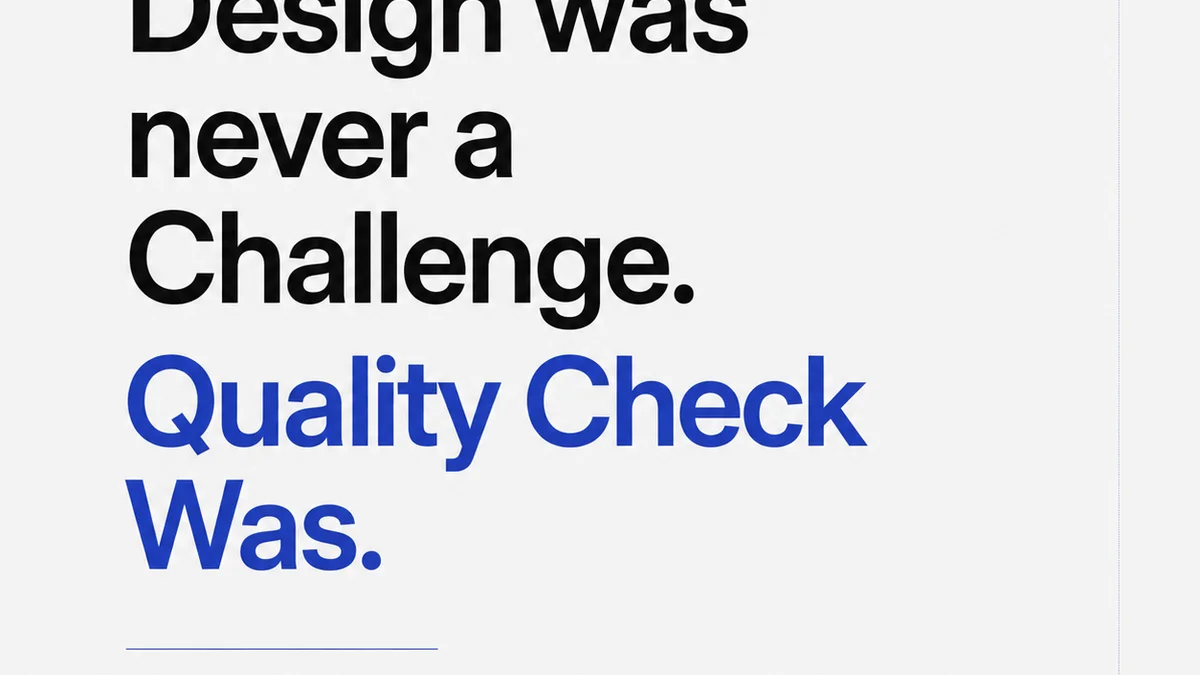
Everyone wants to be more productive. You’ve probably read about setting aggressive deadlines, implementing complex project management systems, or even those wilder suggestions like working in 17-minute bursts. None of that is wrong. But it’s incomplete.
The real engine of high-performing creative teams isn't a secret methodology or a fancy tool. It’s the relentless, unsexy mastery of the operational bedrock.
1. The Illusion of Unstructured Genius
We romanticize the creative process. The lone genius, inspiration striking like lightning, fueled by caffeine and chaos. Agencies and in-house teams often fall into this trap, believing that a certain level of disarray is necessary for creativity to flourish.
This couldn't be further from the truth.
Unstructured environments breed inefficiency. They lead to missed deadlines, scope creep, and a general sense of panic. What looks like creative freedom is often just a lack of clear process.
The Symptoms of Creative Anarchy
- Endless internal debates about where to start.
- Client feedback lost in email chains and Slack threads.
- Revision rounds that spiral out of control, with no clear history.
- Team members pulling work in different directions.
- A constant feeling of being
Frequently asked questions
What's the biggest misconception about creative team productivity?
The biggest misconception is that creativity requires chaos. In reality, high-performing teams thrive on structured processes that free up mental bandwidth for creative thinking, rather than draining it with disorganization.
How can I improve feedback loops in my creative team?
Centralize feedback. Use a dedicated platform where clients and stakeholders can comment directly on creative assets. This eliminates scattered emails and provides a single source of truth for revisions.
Is it possible to be productive without sacrificing creativity?
Absolutely. Productivity habits, when focused on efficient workflows and clear communication, actually *enhance* creativity by removing obstacles and allowing teams to focus on the core creative work.
What are the core components of operational excellence for creative teams?
It boils down to clear communication channels, standardized workflows for feedback and approvals, meticulous asset management, and robust quality assurance processes. These are the unsexy fundamentals.