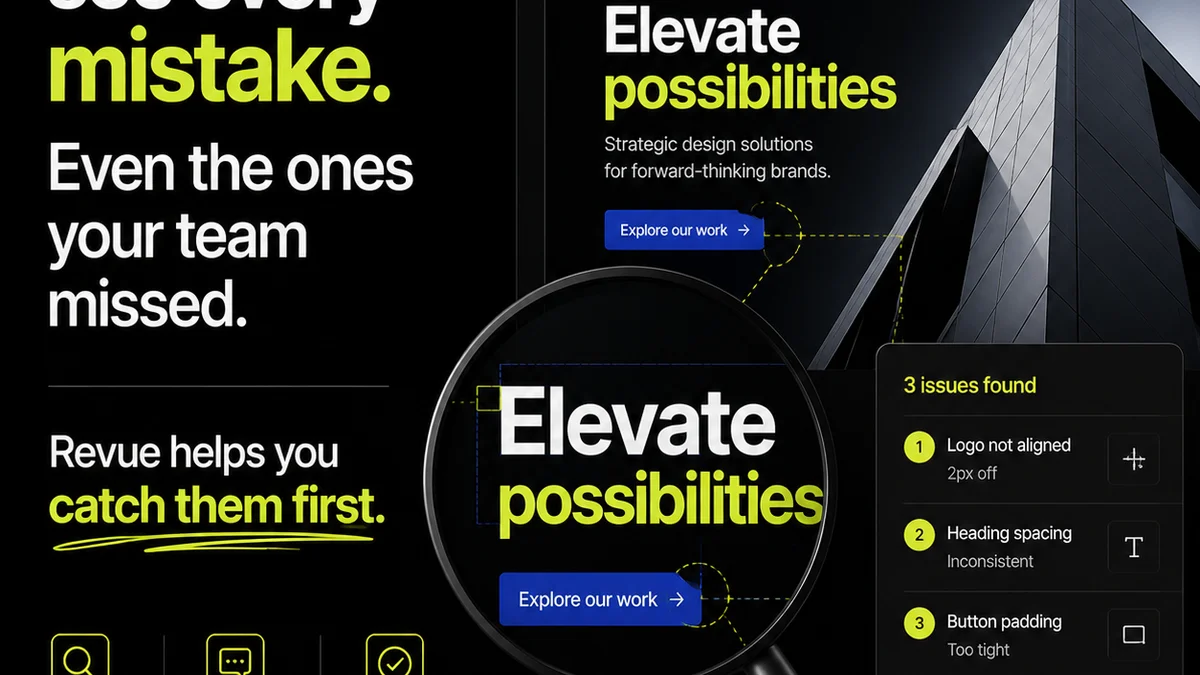
Everyone knows proofreading marketing creatives means catching typos and grammatical errors. It’s the last line of defense before hitting ‘send’ or ‘publish’. It’s about making sure the client’s name is spelled right and the discount code actually works.
None of that is wrong. But it’s incomplete.
The hard truth? Proofreading is far more than a final polish. It’s a critical quality control checkpoint that directly impacts your agency’s bottom line, client trust, and the effectiveness of the creative work itself.
1. The Real Cost of a Typo
We often dismiss typos as minor annoyances. A misplaced comma, a forgotten apostrophe, a slightly awkward sentence. In the grand scheme of a massive campaign, they can seem insignificant.
But they’re not.
Reputational Damage
When a client’s marketing materials go out with errors, who looks bad? Not just the client. Your agency does. It suggests a lack of attention to detail, a rushed process, or worse, incompetence.
This perception erodes trust. And trust is the currency of agency-client relationships.
Wasted Ad Spend
Imagine a multi-thousand dollar ad campaign. The headline has a typo. The call to action is unclear because of a grammatical error. The landing page URL is wrong.
Suddenly, that ad spend isn't driving conversions; it's driving confusion and frustration. Clients pay for results, not for embarrassing mistakes. Your proofreading process directly affects their ROI.
Internal Inefficiency
A missed error often means a frantic last-minute fix. This requires pulling resources, interrupting other projects, and potentially causing delays. It’s a reactive firefighting exercise that drains valuable time and energy.
This isn’t just annoying; it’s a drain on profitability.
2. Beyond the Obvious: What to *Really* Look For
Effective proofreading isn’t just about spotting ‘wrong’ words. It’s about scrutinizing the entire piece for clarity, consistency, and strategic alignment.
Consistency is King
This goes beyond brand colors. Are you using the same terminology throughout the campaign? Is the tone of voice consistent across all assets? Are all dates, times, and figures presented in the same format?
Inconsistencies create a disjointed experience for the audience, making the brand seem unprofessional or disorganized.
Clarity and Comprehension
Can a first-time reader understand the core message immediately? Is the language jargon-free and accessible to the target audience? Are there any ambiguous phrases that could be misinterpreted?
Marketing creative must communicate clearly. Proofreading ensures it does.
Factual Accuracy
This is crucial. Are all claims, statistics, product features, pricing, and legal disclaimers accurate and up-to-date? A simple factual error can have legal or financial repercussions.
Double-check every single data point.
Brand Voice and Tone
Does the copy sound like the client’s brand? Is it too formal, too casual, too aggressive, or too passive? The proofreader needs to be a brand guardian.
This requires a deeper understanding than just grammar rules.
Call to Action (CTA) Effectiveness
Is the CTA clear? Is it compelling? Is it easy to find and understand what the user should do next?
A weak or confusing CTA is a missed opportunity. Proofreading is the last chance to strengthen it.
3. Establishing a Robust Proofreading Workflow
Relying on the designer or the account manager to catch everything is a recipe for disaster. You need a structured process.
Dedicated Proofreaders
Ideally, proofreading shouldn’t be an add-on task. Assign it to someone with a sharp eye and a methodical approach. This might be a dedicated role, a copywriter on a different project, or a senior team member with the right skills.
The key is that it’s a focused task.
Multiple Passes
Don’t expect one person to catch everything in one go. Implement multiple proofreading passes, each focusing on different aspects:
- First Pass: Focus on content, clarity, and factual accuracy.
- Second Pass: Focus on grammar, spelling, punctuation, and consistency.
- Third Pass: A quick read-through for glaring errors and flow.
Varying the time between passes can also help. Let the piece sit for a few hours, or even overnight.
Read Aloud
This is an old-school trick that still works. Reading copy aloud forces you to slow down and hear awkward phrasing, missing words, or grammatical errors you might skim over when reading silently.
Your ears can catch what your eyes miss.
Print It Out
For critical pieces, printing the creative can make a difference. The physical medium can highlight errors that blend into the background on a screen.
It changes your perspective.
Use Technology Wisely
Tools like Grammarly or Hemingway Editor can be helpful, but they are not a substitute for human judgment. They catch common errors but can miss nuanced mistakes or misunderstandings of context.
Use them as a first line of defense, not the final word.
4. Where Revue Fits In
Managing feedback and revisions across multiple creatives, clients, and team members can quickly become chaotic. This chaos is where errors hide.
Revue provides a centralized hub for all your creative assets and client feedback. This means:
- Clear Feedback Trails: All comments and approvals are logged against specific versions of a creative. No more hunting through email chains or Slack messages for that one crucial piece of feedback.
- Version Control: Easily track revisions. You can see exactly what changed between versions, making it simpler for proofreaders to review only the updated content.
- Centralized Approvals: A clear, documented approval process reduces ambiguity and ensures everyone is on the same page before final sign-off.
- Streamlined Quality Checks: By having all assets and feedback in one place, your proofreading process becomes more efficient and less prone to oversight. You can easily pull up the latest approved version and perform your checks systematically.
When feedback is scattered, errors multiply. Centralizing your workflow with Revue minimizes these risks.
5. The Human Element: Cultivating a Proofreading Culture
Technology and process are essential, but the human element remains critical.
Train Your Team
Don’t assume everyone knows how to proofread effectively. Provide training on common errors, brand voice guidelines, and the specific requirements of different marketing channels.
Encourage a Blame-Free Environment
When errors are found, the goal is to fix them and improve the process, not to assign blame. Foster an environment where team members feel comfortable pointing out mistakes without fear of reprisal.
This encourages vigilance.
Understand the Project Context
A proofreader who understands the campaign goals, the target audience, and the client’s business is far more effective than one who just sees words on a page.
Context is everything.
Final Thought
Proofreading is not a chore to be rushed through or delegated to the least experienced person. It’s a strategic function that safeguards your agency’s reputation, ensures client satisfaction, and maximizes the impact of the creative work you deliver.
Are you treating it with the importance it deserves?
Frequently asked questions
Who should be responsible for proofreading marketing creatives?
Ideally, proofreading should be handled by a dedicated role or a team member with a sharp eye and a methodical approach, separate from the initial creation process. This ensures a fresh perspective and focused attention.
How many proofreading passes are recommended?
Implementing multiple passes is highly recommended. A common approach includes a pass for content accuracy and clarity, a pass for grammar and spelling, and a final quick read-through. Varying the time between passes can also improve effectiveness.
Can technology replace human proofreaders?
Technology like grammar checkers can be a helpful first step, but it cannot replace human judgment. Proofreaders understand context, brand voice, and nuanced errors that automated tools often miss.
What's the biggest mistake agencies make with proofreading?
The biggest mistake is treating proofreading as a superficial last step rather than a critical quality control process. This often happens when it's rushed, delegated without proper training, or skipped entirely due to tight deadlines, leading to costly errors.