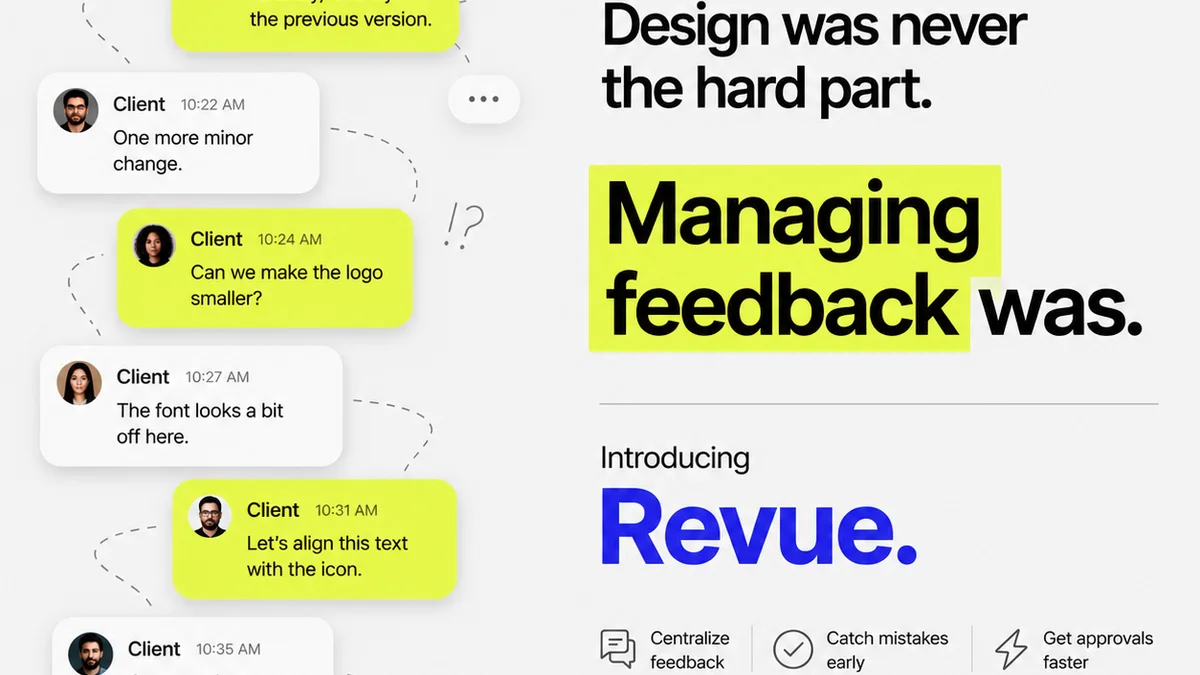
Everyone knows creative agencies need to deliver great work. It’s the baseline. The price of entry. But what about the quality assurance (QA) of that work? Too often, it’s an afterthought. A quick glance. A “does it look okay?” check before hitting send.
None of that is wrong. But it’s incomplete.
The hard truth? Publication QA is not just about catching typos or broken links. It’s a strategic lever for agency growth. It underpins client trust, reduces costly rework, and elevates your agency’s reputation from “good at making stuff” to “indispensable partner.”
1. The Real Cost of Skipping QA
When QA is treated as a perfunctory step, the real costs pile up. They aren't always obvious on the invoice, but they hit the bottom line hard.
Think about the ripple effect:
- Endless revision cycles because foundational errors were missed.
- Damaged client relationships due to repeated mistakes.
- Lost billable hours spent fixing issues that should have been caught earlier.
- Reputational damage when errors make it into the wild – social posts, live websites, printed collateral.
- Team burnout from the constant scramble to fix preventable problems.
These aren’t minor inconveniences. They are direct drains on profitability and team morale.
The
Frequently asked questions
What is publication QA in the context of a creative agency?
Publication QA for creative agencies refers to the systematic process of reviewing and verifying all client-facing deliverables before they are published or sent to the client. This goes beyond a simple spell-check, encompassing visual accuracy, functional integrity, adherence to brand guidelines, and technical correctness across all intended platforms.
Who should be responsible for publication QA?
Responsibility can vary, but ideally, it's a shared effort with clear ownership. Project managers often oversee the process, designers and developers perform technical checks on their work, and a dedicated QA specialist or a senior team member can conduct a final, impartial review to catch issues others might miss.
How can agencies improve their publication QA process?
Improvement comes from standardization and tool adoption. Create detailed QA checklists tailored to different deliverable types (websites, social media, print, etc.). Implement a centralized feedback and approval system to track issues and ensure resolutions. Regular team training on QA best practices is also crucial.
What are the key elements of a good QA checklist?
A good checklist covers multiple areas: content accuracy (spelling, grammar, factual correctness), visual consistency (branding, layout, image quality), functional testing (links, forms, interactive elements), technical compliance (browser compatibility, accessibility standards), and adherence to client brief and scope.