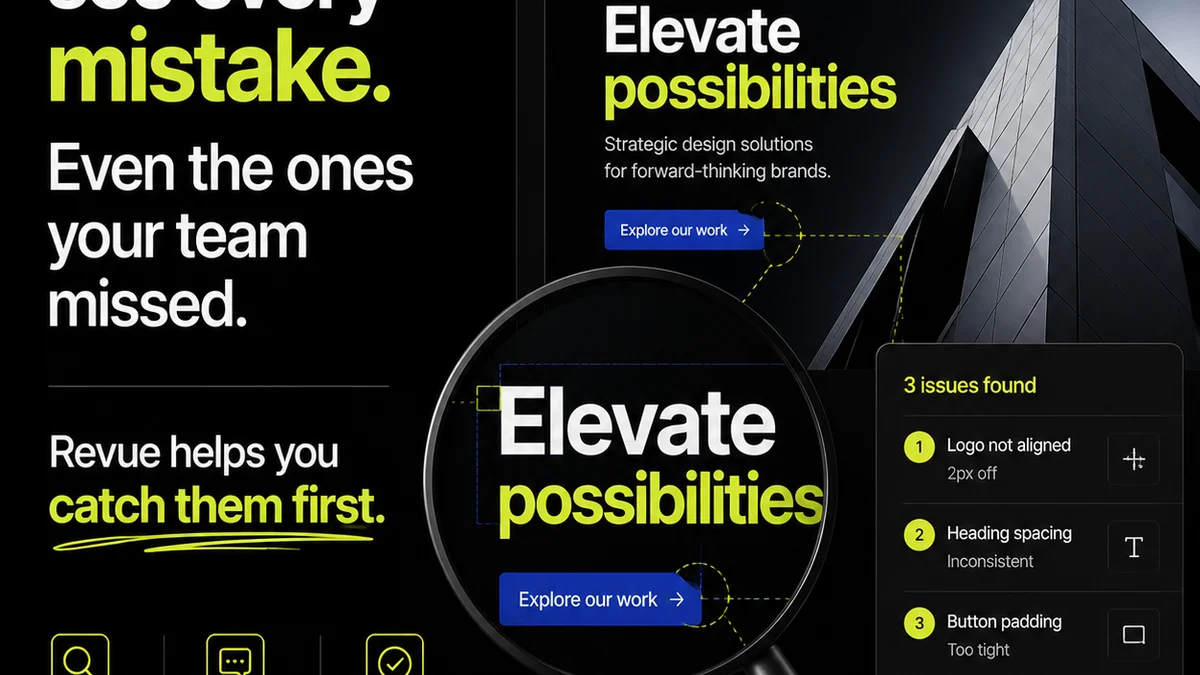
You think publication QA is just about catching typos and broken links before launch. That it’s a checklist item, a final gate before the big reveal. None of that is wrong. But it’s incomplete.
The hard truth for enterprise teams? Publication QA isn't a phase; it's a continuous operational discipline. It’s about building quality into every step, from initial brief to final deployment.
1. The Myth of the 'Final' Review
Most enterprise workflows treat Quality Assurance (QA) as a distinct, final stage. A team of reviewers descends just before go-live, armed with checklists and a ticking clock.
This approach is fundamentally flawed. It assumes quality can be bolted on at the end. It ignores the cumulative effect of decisions made much earlier in the process.
The Cascade Effect
Think about it:
- A vague brief leads to ambiguous content.
- Poorly defined brand guidelines result in inconsistent visuals.
- Lack of cross-functional input means technical constraints are missed until the eleventh hour.
- Inefficient feedback loops breed misinterpretations and rushed revisions.
Each of these issues, if not caught early, puts immense pressure on the final QA stage. It turns a review into a frantic damage-control operation. This is not sustainable for enterprise-level output.
2. Redefining Publication QA for Scale
For enterprise teams, publication QA must evolve. It needs to be embedded, proactive, and systematic. This means shifting focus from *finding errors* to *preventing errors*.
Consider the scale of enterprise operations. Multiple teams, complex projects, global audiences. A single point of failure in QA can have far-reaching consequences.
Key Pillars of Proactive QA
What does this proactive approach look like in practice?
- Standardized Processes: Clear, documented workflows for content creation, design, development, and review.
- Automated Checks: Leveraging tools for grammar, spelling, code validation, and accessibility checks early and often.
- Cross-Functional Collaboration: Integrating QA considerations into project kick-offs, not just sign-offs. Legal, marketing, product, and engineering should all have a voice.
- Version Control & Audit Trails: Robust systems for tracking changes, understanding revision history, and pinpointing when issues were introduced.
- Defined Quality Metrics: Objective criteria for what constitutes
Frequently asked questions
What is the difference between QA and UAT?
Quality Assurance (QA) focuses on the *process* and *product* to ensure it meets specified requirements and is free of defects throughout development. User Acceptance Testing (UAT) is the final stage where end-users test the product in a real-world scenario to confirm it meets their needs and business objectives before deployment.
How can I automate publication QA?
Automation can be applied to various aspects of publication QA. This includes using tools for grammar and spell checking, code linters, accessibility checkers (like WAVE or Axe), broken link scanners, and automated visual regression testing for web content. Integrating these into your CI/CD pipeline is key for enterprise scale.
Who should be involved in publication QA at an enterprise level?
Ideally, publication QA involves a cross-functional team. This includes content creators, editors, designers, developers, QA specialists, legal reviewers, and product managers. The specific roles depend on the nature of the publication and the enterprise structure.
What are the common pitfalls of traditional publication QA?
Common pitfalls include treating QA as a last-minute activity, lack of clear standards, insufficient time allocated, poor communication between teams, relying solely on manual checks, and not involving the right stakeholders early enough. This leads to rushed fixes and overlooked issues.