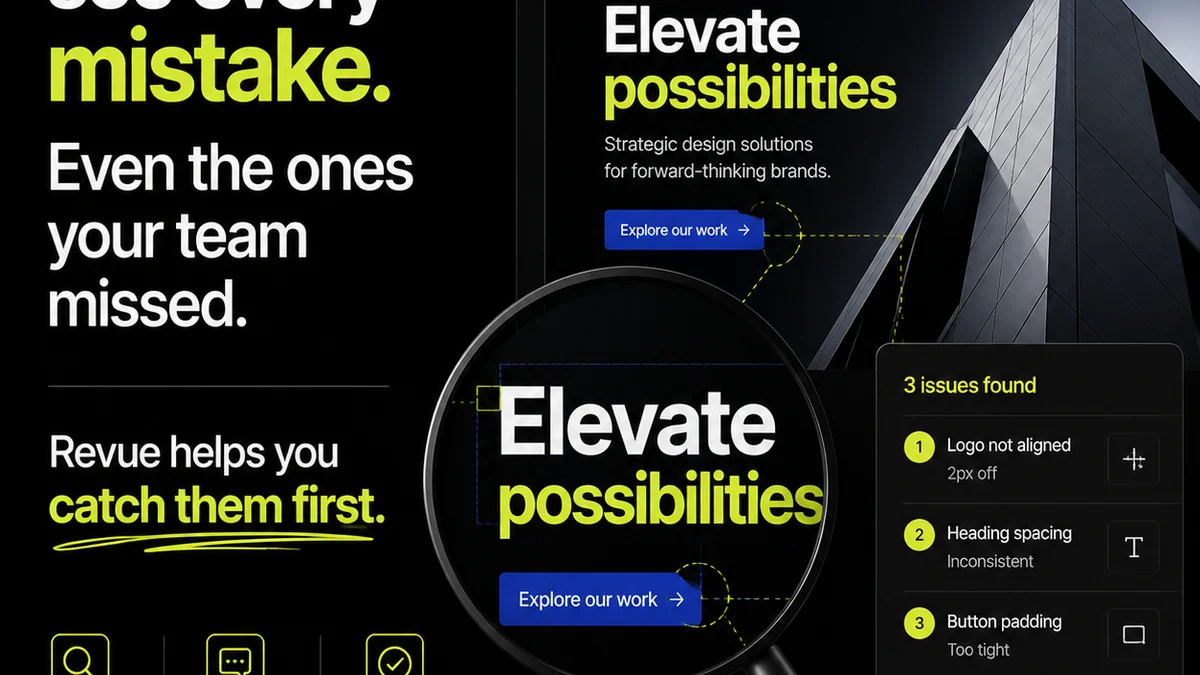
Everyone agrees that publication quality assurance (QA) is important. It’s the final check before a client sees the work. The last line of defense against embarrassing errors.
None of that is wrong. But it’s incomplete.
The hard truth? Publication QA isn’t just about catching typos or broken links. It’s a critical, strategic process that directly impacts client relationships, project profitability, and your agency’s long-term reputation. Treating it as an afterthought is a fast track to problems you don’t need.
1. Beyond the Obvious: What Publication QA Really Means
Publication QA is the systematic review of all creative assets and their intended delivery channels before they go live or are handed over to the client. This isn't limited to the final design files. It spans the entire output: websites, social media campaigns, print collateral, video content, ad creatives, and more.
Think about the stakes:
- Client dissatisfaction due to overlooked errors.
- Wasted time and money on costly re-dos.
- Damage to your agency's reputation for quality.
- Missed opportunities for client upselling or referrals.
A robust QA process prevents these issues by embedding checks throughout the project lifecycle, not just at the bitter end.
The Scope of Quality Assurance
Publication QA covers a broad spectrum. It's not just about visual perfection. It includes:
- Functional Testing: Do all links work? Do forms submit correctly? Is the interactive element behaving as expected?
- Content Accuracy: Is all copy correct? Are client-approved names, dates, and figures present? Is the tone consistent?
- Visual Consistency: Does the design adhere to brand guidelines? Are colors, typography, and spacing consistent across all assets?
- Technical Compliance: Are files correctly formatted for the intended platform (e.g., image resolution, video codecs, file types)? Does it meet accessibility standards?
- Usability: Is the user experience intuitive and straightforward?
- Performance: Does the website load quickly? Are images optimized?
Each of these elements is a potential point of failure. Each requires dedicated attention.
2. The Anatomy of a Flawed QA Process
Many agencies *think* they have a QA process. Often, it's a patchwork of ad-hoc checks done by whoever has a spare moment.
This usually looks like:
- The designer doing a quick visual scan before sending.
- The account manager skimming the copy.
- The developer testing basic functionality.
This approach is inherently flawed because it lacks structure, accountability, and comprehensive coverage.
Symptoms of Weak QA
How do you know your QA process is falling short?
- Frequent
Frequently asked questions
What is the primary goal of publication QA?
The primary goal of publication QA is to ensure that all creative assets and their delivery channels are accurate, functional, and meet all project requirements before going live or being delivered to the client. This prevents errors, maintains client satisfaction, and protects the agency's reputation.
Who should be responsible for publication QA?
Responsibility for publication QA should be shared and structured. While designers, copywriters, and developers perform initial checks, a dedicated QA specialist or a senior team member should conduct a final, comprehensive review to ensure objectivity and thoroughness.
How can I make my publication QA process more efficient?
Efficiency comes from standardization and tool adoption. Create clear checklists, automate repetitive checks where possible (e.g., broken link checkers), and use a centralized platform like Revue to manage feedback and revisions, reducing manual tracking and miscommunication.
What are the key areas to check during website publication QA?
Key areas include functional testing (links, forms, interactive elements), content accuracy (copy, spelling, grammar), visual consistency (branding, layout), technical compliance (responsiveness, browser compatibility, accessibility standards like WCAG), and performance (load speed, image optimization).