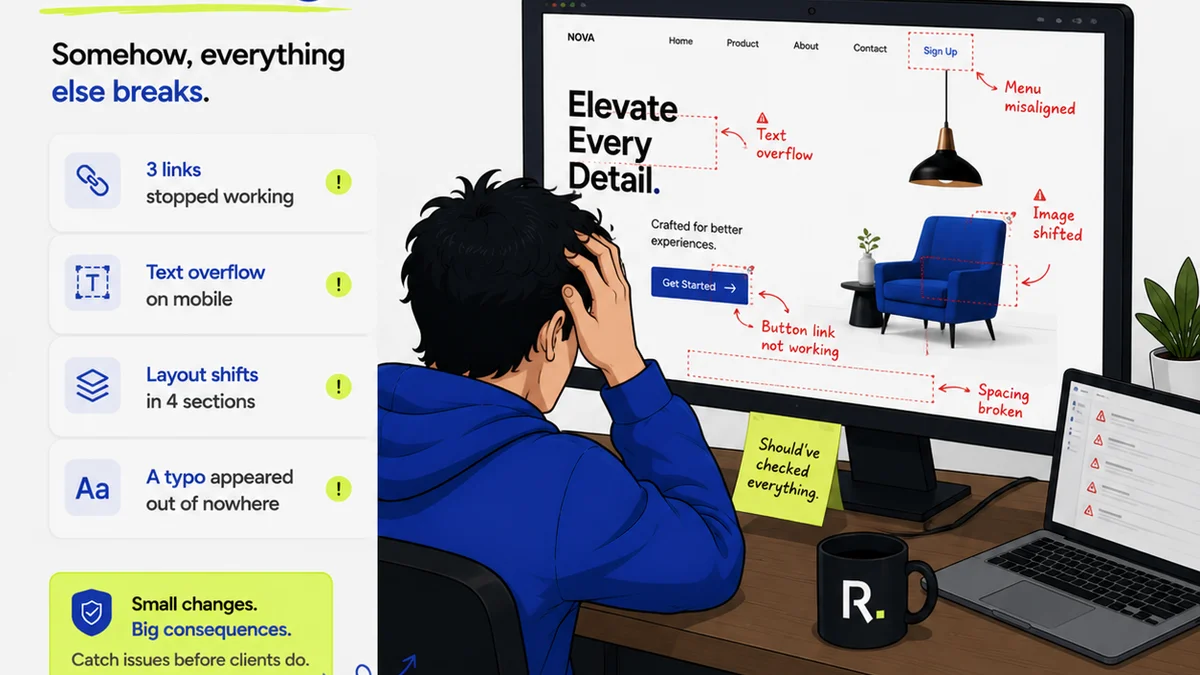
Most insurance agencies think Quality Assurance (QA) is just about compliance. Tick the boxes, avoid fines. That’s the common assumption.
None of that is wrong. But it’s incomplete.
The hard truth? Publication QA is a revenue driver. It’s about more than avoiding penalties; it’s about building trust, improving customer retention, and driving sales through clear, accurate, and compelling communication.
1. The Hidden Cost of Communication Errors
In insurance, words have weight. A misplaced decimal, a misunderstood policy term, an outdated regulatory reference – these aren't just typos. They're potential liabilities.
They can lead to:
- Client dissatisfaction and churn.
- Costly legal disputes.
- Damage to brand reputation.
- Missed sales opportunities due to confusing messaging.
- Regulatory fines and sanctions.
Your marketing collateral, policy documents, website copy, and client emails are all publications. Every piece that goes out the door is a representation of your agency’s professionalism and reliability.
The Domino Effect
A single error can trigger a cascade. A client misunderstands a premium increase due to unclear wording. They complain. You spend hours on damage control. The client feels unheard and starts looking elsewhere. Competitors, with their crystal-clear communications, swoop in.
This isn't a hypothetical. It's the daily reality for agencies that treat communication as an afterthought.
2. Beyond Compliance: Building Trust and Credibility
Compliance is table stakes. It’s the minimum requirement. True competitive advantage comes from exceeding expectations.
High-quality publications build trust. When clients see clear, accurate, and well-presented information, they believe you know your business. They believe you have their best interests at heart.
Clarity Breeds Confidence
Think about a complex policy document. If it’s riddled with jargon, poorly formatted, or contains ambiguities, what message does that send?
It says:
- We don’t prioritize your understanding.
- This is complicated, and we’re not making it easy for you.
- There might be hidden catches.
Conversely, a document that is:
- Clearly written and easy to navigate.
- Visually organized and professional.
- Free from errors and inconsistencies.
…sends a powerful message of competence and care.
The Role of Digital Publications
In today's digital-first world, your website, blog posts, social media updates, and email newsletters are your primary touchpoints. Are they error-free? Are they consistent with your brand voice and policy information?
Inconsistent or inaccurate digital content erodes credibility faster than almost anything else. A quick spell-check isn't enough. You need a systematic approach to ensure quality across all your digital assets.
3. Streamlining the Publication QA Process
Many agencies struggle with QA because it feels like a bottleneck. Time-consuming, manual, and often reactive.
The key is to make it proactive and integrated. It's not a separate step; it's part of the creation workflow.
Key Elements of Effective QA
What does good QA look like for insurance publications?
- Content Accuracy: Verify all facts, figures, policy details, and regulatory information against the latest approved sources.
- Clarity and Conciseness: Ensure the language is accessible to the target audience, avoiding unnecessary jargon. Is it easy to understand?
- Consistency: Check for brand voice, tone, terminology, and formatting across all related documents and platforms.
- Grammar and Spelling: The basics, yes, but critical. Proofread meticulously.
- Usability and Accessibility: For digital content, ensure it's easy to read, navigate, and accessible to people with disabilities. This is increasingly important for regulatory compliance and broader reach. Consider the Web Content Accessibility Guidelines (WCAG).
- Legal and Compliance Review: Ensure all content meets current legal and industry regulations.
Assigning Ownership
Who is responsible for QA? It can’t be a free-for-all. Designate specific individuals or teams for different aspects of the review. This ensures accountability and a consistent standard.
4. Where Revue Fits In
Managing the creation and approval of insurance publications – from marketing brochures to policy updates – involves multiple stakeholders and versions. Keeping track of feedback and ensuring revisions are correctly implemented can be chaotic.
Revue helps streamline this entire process, making QA more efficient and effective.
Centralized Feedback
Instead of sifting through scattered emails, spreadsheets, and chat messages, all client and stakeholder feedback lives in one place. Reviewers can annotate directly on the creative assets, providing clear, contextual comments.
Revision and Approval Visibility
See exactly who has reviewed what, their feedback, and the status of approvals. This transparency eliminates confusion about what version is final and prevents outdated feedback from causing rework.
Integrated Quality Checks
By having a single source of truth for feedback and approvals, you naturally build in more robust quality checks. You can easily track that all feedback has been addressed, all necessary revisions made, and all stakeholders have signed off before publication.
This structured approach reduces the likelihood of errors slipping through the cracks, ensuring your final publications are accurate, compliant, and polished.
5. The ROI of Rigorous QA
Investing in a robust publication QA process isn't just an expense; it's an investment with a clear return.
Consider the costs associated with:
- Correcting errors post-publication.
- Handling customer complaints stemming from miscommunication.
- Lost business due to unclear or unconvincing marketing.
- Legal fees and regulatory fines.
Now, compare that to the cost of implementing a systematic QA process. The savings are substantial.
Customer Loyalty
Accurate, clear communication fosters loyalty. Clients who feel informed and understood are more likely to stay with your agency. This reduces churn and increases lifetime customer value.
Brand Authority
Consistently high-quality publications position your agency as a thought leader and a trusted authority in the insurance space. This attracts new clients and strengthens relationships with existing ones.
Final Thought
Is your agency treating publication QA as a mere compliance checkbox, or are you leveraging it as a strategic tool to build trust, enhance client relationships, and drive business growth?
Frequently asked questions
What are the biggest risks of poor publication QA in insurance?
The biggest risks include client dissatisfaction leading to churn, costly legal disputes, damage to brand reputation, missed sales opportunities due to confusing messaging, and potential regulatory fines.
How can agencies improve the clarity of their insurance policy documents?
Improve clarity by using plain language, avoiding jargon, organizing content logically with clear headings and bullet points, ensuring consistent terminology, and having multiple team members review for understandability from a client's perspective.
Is accessibility a part of publication QA for insurance?
Yes, accessibility is increasingly important. For digital publications, ensuring compliance with standards like WCAG means your content can be understood by people with disabilities, broadening your reach and meeting ethical and sometimes legal requirements.
How does Revue help with publication QA in an insurance agency?
Revue centralizes feedback, provides clear revision and approval tracking, and ensures all stakeholders sign off on content before publication. This structured workflow significantly reduces the chance of errors and inconsistencies.