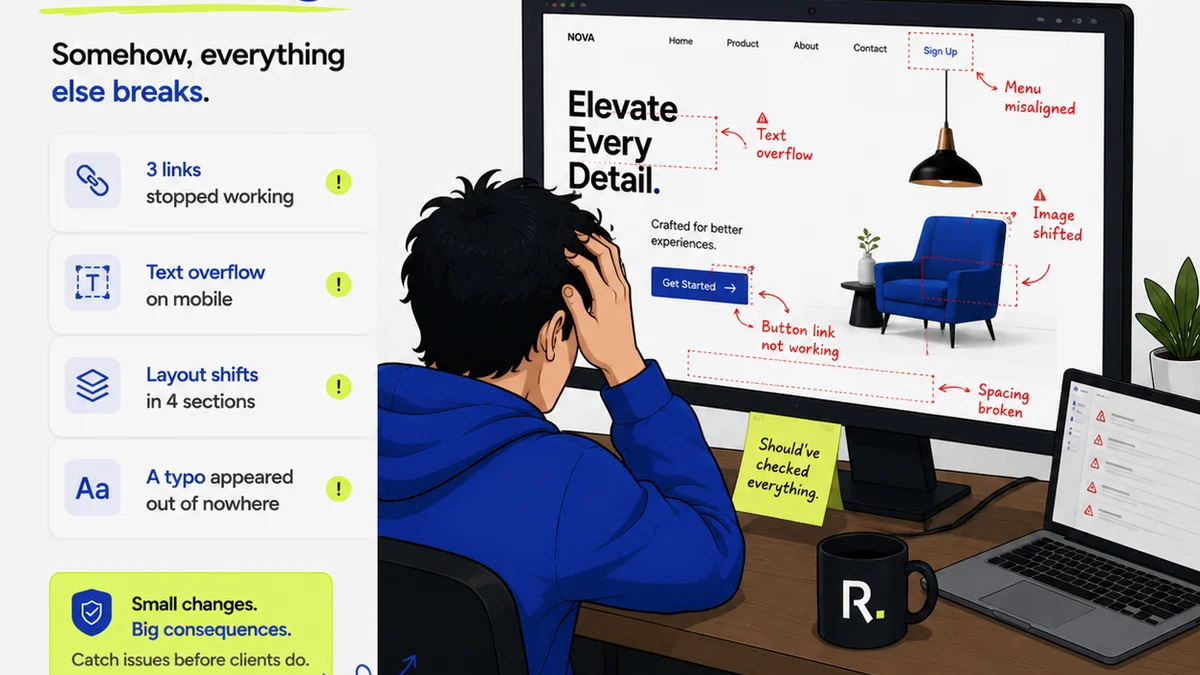
Everyone thinks marketing publication QA is about catching typos and broken links. That’s the easy part. The hard truth? If your final check is the first time you’re really looking at the creative, you’ve already failed.
True publication quality assurance for marketing teams, especially in e-commerce, isn't a final hurdle. It's a continuous process woven into every stage of content creation and deployment. It’s about building quality in, not bolting it on at the last second.
1. The Illusion of the Final Review
Most teams treat the final sign-off as the ultimate quality gate. They gather everything, give it one last look, and hit publish. This approach is fundamentally flawed.
It assumes that all previous stages were perfect, which is rarely the case. It puts immense pressure on the reviewer to catch everything, leading to rushed, superficial checks.
The symptoms are obvious:
- Last-minute edits that introduce new errors.
- Missed critical bugs that impact user experience or conversions.
- Inconsistent branding across different assets.
- Content that doesn't align with the original brief or campaign goals.
- Team burnout from constant
Frequently asked questions
What is publication QA?
Publication QA is the process of ensuring that all creative assets and content are accurate, functional, and aligned with brand standards before they are published to live channels. For marketing teams, this includes website copy, landing pages, emails, social media posts, ads, and more.
Why is traditional QA often insufficient?
Traditional QA often focuses only on the final output, treating it as a last-minute checklist. This overlooks errors introduced earlier in the workflow and puts excessive pressure on the final reviewer, leading to missed issues and inefficient processes.
How can e-commerce marketing teams improve their QA process?
Improvement comes from integrating QA throughout the workflow, not just at the end. This involves clear briefs, regular check-ins, automated testing where possible, and using tools that facilitate transparent feedback and revision tracking.
What are the key benefits of robust publication QA?
Benefits include reduced errors, improved user experience, stronger brand consistency, higher conversion rates, saved time and resources by catching issues early, and increased team confidence in published work.