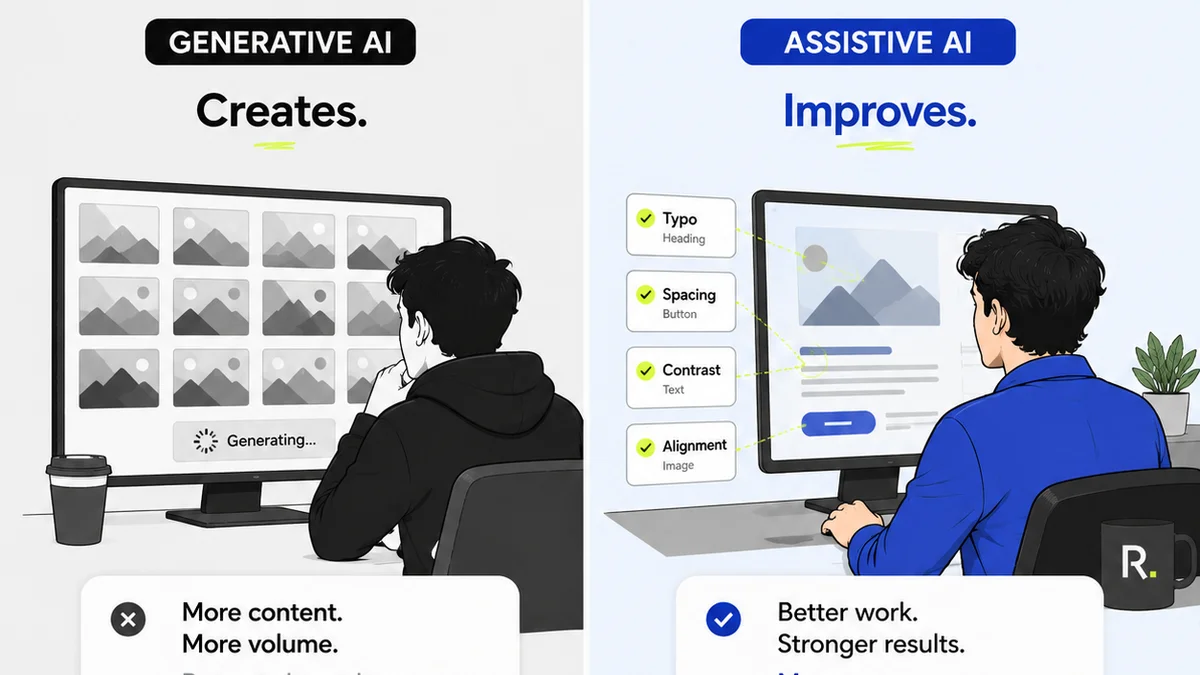
Everyone’s talking about AI writing assistants and automated content pipelines. They promise efficiency, speed, and lower costs. And sure, that’s part of the picture.
But it’s not the whole story. Not even close.
The real shift in publication workflow by 2026 isn't about replacing humans with machines. It’s about leveraging technology to amplify human creativity, judgment, and strategic oversight. The hard truth? The most successful workflows will be those that master the intersection of automation and human collaboration, focusing on what machines *can't* do.
1. The Illusion of AI-Powered Autonomy
The seductive narrative is that AI will handle everything from ideation to distribution. You feed it prompts, it spits out polished content, and you hit publish. Simple.
This vision ignores the messy, nuanced reality of creating genuinely impactful content.
AI is a tool. A powerful one, yes. But it’s a co-pilot, not the captain. Relying on it for end-to-end autonomy leads to:
- Generic, soulless content that lacks a unique brand voice.
- Factual errors and subtle biases that erode trust.
- Missed opportunities for strategic nuance and emotional resonance.
- A disconnect from the audience's evolving needs and expectations.
By 2026, agencies and in-house teams that treat AI as a silver bullet will find themselves falling behind. The real advantage comes from knowing *when* and *how* to apply AI, and crucially, when to rely on human expertise.
2. Elevating Human Oversight: The New Core Competency
If AI handles the grunt work, what’s left for humans? Everything that matters.
The future belongs to those who can skillfully guide, curate, and refine AI-generated output. This means a renewed focus on:
Strategic Content Planning
AI can analyze trends, but humans set the strategic direction. This involves understanding market gaps, defining target personas with depth, and aligning content with overarching business goals. It’s about asking “why” before “what.”
Brand Voice and Tone Mastery
AI struggles with authentic brand personality. Human editors must inject unique voice, cultural relevance, and emotional intelligence. This is the art of making content sound like *you*, not a machine.
Fact-Checking and Ethical Review
The responsibility for accuracy and ethical considerations remains firmly with humans. AI can hallucinate or perpetuate biases. Rigorous human review is non-negotiable to maintain credibility and avoid reputational damage.
Audience Empathy and Connection
Understanding the subtle cues of audience sentiment, building genuine relationships, and responding to feedback requires human empathy. AI can track engagement, but it can’t *feel* the audience.
Creative Direction and Innovation
True innovation—breaking through the noise with novel ideas and approaches—is a human domain. AI can suggest variations, but it doesn’t originate groundbreaking concepts.
The publication workflow of 2026 will demand a higher caliber of human input, not less. It’s about strategic thinking, critical judgment, and creative flair.
3. Streamlining Collaboration in a Distributed World
The nature of work continues to evolve. Remote and hybrid teams are the norm, making seamless collaboration paramount. Publication workflows must adapt.
This isn't just about having the right tools; it's about establishing clear processes that foster transparency and accountability across dispersed teams.
Key elements of a robust collaborative workflow include:
- Centralized Feedback Hubs: Moving away from endless email threads and scattered comments. A single source of truth for all feedback is essential.
- Version Control and Audit Trails: Knowing exactly who changed what, when, and why. This prevents confusion and protects against errors.
- Clear Approval Gates: Defined stages where content is reviewed and signed off. This streamlines the path to publication.
- Defined Roles and Responsibilities: Ensuring everyone understands their part in the process, from initial draft to final approval.
- Integrated Communication Channels: Linking feedback and approvals directly to project assets, reducing context switching.
When these elements are in place, even the most complex projects can move smoothly, regardless of where team members are located.
4. The Rise of Smart Automation for Efficiency
While human oversight is crucial, automation is the engine that drives efficiency. By 2026, expect smarter, more integrated automation.
Think beyond simple spell-checkers. We’re talking about:
Automated Content Tagging and SEO Optimization
AI can analyze content and suggest relevant tags, meta descriptions, and keyword improvements based on real-time search data. This frees up SEO specialists for higher-level strategy.
Smart Content Formatting and Templating
Automated systems can ensure content adheres to brand guidelines, applies correct formatting for different platforms (web, social, print), and populates predefined templates.
Intelligent Distribution and Scheduling
Tools that analyze audience behavior and optimal posting times to schedule content for maximum reach and engagement. This goes beyond simple calendar scheduling.
Plagiarism and Originality Checks
Automated tools that scan content against vast databases to ensure originality and flag potential issues before publication.
Performance Analytics Integration
Automated reporting that pulls data from various platforms to provide a holistic view of content performance, highlighting key insights for future planning.
These aren't about replacing human strategy; they're about removing friction and accelerating the execution of that strategy.
5. Where Revue Fits In
Managing a complex publication workflow in 2026 requires more than just a collection of point solutions. It demands a platform that unifies these disparate elements.
Revue is built for this reality. It acts as the central nervous system for your creative output.
- Centralized Client Feedback: Eliminate the chaos of scattered comments. All feedback resides in one place, attached directly to the creative asset. This ensures nothing gets lost and context is always maintained.
- Revision and Approval Visibility: Track the entire history of changes and approvals. See who signed off on what, when. This transparency is crucial for accountability and efficient project management, especially with distributed teams.
- Quality Assurance Checks: Implement structured review processes to ensure every piece of content meets your standards before it goes live. This systematic approach catches errors and ensures brand consistency.
By providing a single source of truth for feedback, revisions, and approvals, Revue empowers your team to focus on the strategic and creative work that truly matters, rather than getting bogged down in administrative overhead.
6. The Evolving Role of the Publisher
The definition of a
Frequently asked questions
How will AI change the role of content creators by 2026?
AI will shift the focus from routine content generation to higher-level tasks like strategic planning, creative direction, ethical review, and refining AI output. Creators will become curators and strategists, leveraging AI as a powerful assistant.
What are the biggest risks of relying too heavily on AI for content publication?
Over-reliance on AI can lead to generic content lacking brand voice, factual inaccuracies, subtle biases, and a disconnect from audience emotions. It can also miss strategic nuances that only human judgment can provide.
How can distributed teams improve their publication workflow?
Distributed teams need centralized feedback hubs, clear version control, defined approval gates, established roles, and integrated communication channels. Platforms that unify these elements are key to maintaining efficiency and transparency.
What is the primary benefit of using a platform like Revue for publication workflows?
Revue provides a centralized system for feedback, revisions, and approvals, acting as a single source of truth. This enhances transparency, accountability, and efficiency, allowing teams to focus on creative and strategic work.