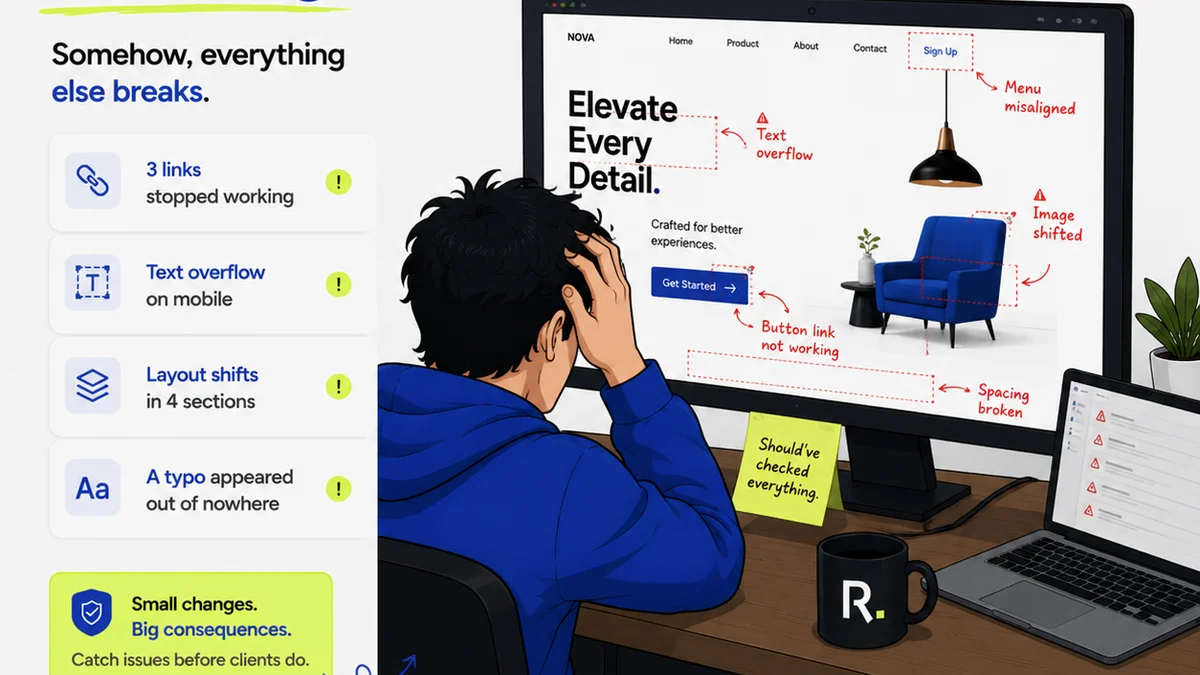
Everyone talks about the tools. The right CMS, the perfect project management software, the slickest design app. They say if you just get the tech right, your publication workflow will hum like a well-oiled machine.
None of that is wrong. But it’s incomplete. Way incomplete.
The hard truth? Your workflow isn't broken because your software is outdated. It's broken because your processes are inefficient, your communication is messy, and your people are drowning in unnecessary steps.
Let’s peel back the layers.
1. The Myth of the Linear Workflow
We love to imagine our work flowing smoothly, one step after another. Draft, edit, design, approve, publish. Simple, right?
Wrong.
Creative work is rarely linear. It’s messy. It’s iterative. It’s a tangled ball of yarn.
The Reality: Constant Back-and-Forth
Think about it. A client sees a draft and has a minor tweak. That tweak impacts the design. The designer makes a change, and suddenly the copy needs a slight adjustment. Then the client has another thought on the design.
This isn't a bug; it's a feature of good creative collaboration. But if your systems aren’t built for it, it becomes a nightmare.
- Endless email chains with conflicting feedback.
- Version control chaos, where nobody knows which file is the latest.
- Designers waiting days for a single approval, then getting a completely new direction.
- Editors rewriting copy that’s no longer relevant due to design changes.
This isn't about a lack of software. It’s about a lack of structured iteration.
2. Feedback: The Black Hole of Inaction
Client feedback is essential. It’s also the most common place for workflows to collapse.
Why? Because feedback often arrives in a disorganized, unactionable flood.
Symptoms of Feedback Paralysis
You’ve seen it. The single, cryptic email:
“Make it pop.”
Or the Slack message:
“Can you just move this over here and change the color to… you know… that one?”
Or worse, feedback from multiple stakeholders arriving at different times, each contradicting the last.
- Stakeholders providing feedback without context.
- Feedback that’s subjective and impossible to implement objectively.
- Reviewers not seeing the full picture of the creative.
- Delays because the team is busy deciphering vague comments.
- The dreaded
Frequently asked questions
What is the biggest challenge in publication workflows?
The biggest challenge is often not the technology, but the human element: disorganized feedback, lack of clear communication, and inefficient iterative processes that lead to delays and confusion.
How can I improve client feedback in my workflow?
Centralize feedback in one platform, request specific and contextual comments, and ensure all stakeholders review the same version. Use tools that allow for direct annotation on creative assets.
What are the signs of a broken publication workflow?
Signs include constant missed deadlines, version control issues, endless email chains with conflicting feedback, team burnout, and difficulty tracking revisions and approvals.
How does a centralized platform help publication workflows?
A centralized platform streamlines communication, provides a single source of truth for all feedback and revisions, improves visibility for all stakeholders, and automates approval processes, reducing manual effort and errors.