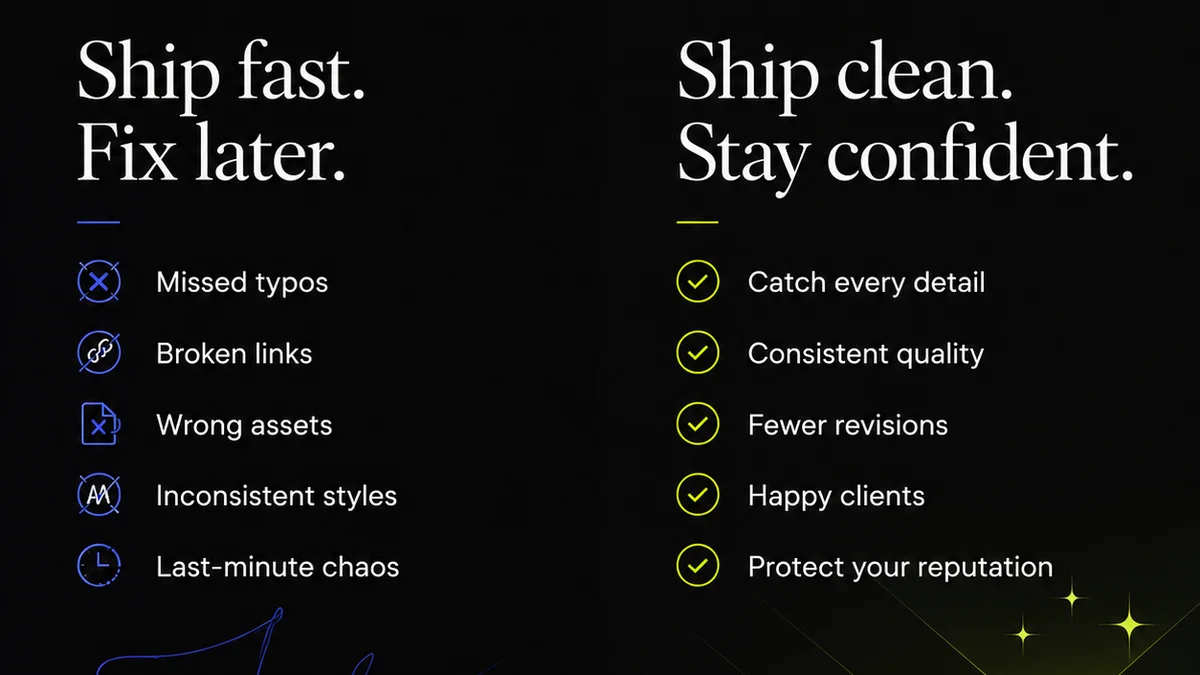
Everyone talks about having a workflow. They mean a process. A sequence of steps. Maybe some checklists.
None of that is wrong. But it’s incomplete.
The hard truth about successful publication workflows is that they’re not about the steps themselves. They’re about how well those steps are managed, how clearly they’re communicated, and how seamlessly they connect across teams and stakeholders.
1. Defining Your Core Publication Workflow
Before you can optimize anything, you need to know what you’re optimizing. What does your publication workflow actually look like today? Don't just guess. Map it out.
Start with the brief. End with the final asset delivered. Every single step in between matters.
From Brief to Approval
This is the engine of your entire operation. If this part grinds, everything else stalls.
- Briefing: Who provides it? What information is mandatory? How is it structured?
- Concepting/Creative: Where does this happen? Who is involved? How are ideas documented?
- Internal Review: What’s the process for initial feedback? Who gives it?
- Client Review: How is feedback requested? What’s the expected turnaround? What format?
- Revisions: How are changes tracked? Who makes them? How many rounds are standard?
- Final Approval: What constitutes final approval? Who gives it? How is it recorded?
Asset Delivery & Archiving
This is where many workflows fall apart. It’s not just about getting it done; it’s about getting it done right and being able to find it later.
- File Naming Conventions: Are they clear? Consistent? Enforced?
- Format Specifications: Are required formats (e.g., print-ready PDF, web-optimized JPG, social media assets) clearly defined and delivered?
- Delivery Method: How are final files handed over? Is there a single source of truth?
- Archiving: Where are final assets stored? How are they organized for future reference or reuse?
2. The Role of Clear Communication
Miscommunication is the silent killer of creative projects. It breeds errors, delays, and frustration. Your workflow must actively combat this.
This means more than just talking. It means structured, documented communication at every stage.
Feedback Loops: The Good, The Bad, and The Ugly
Vague feedback is useless. And often, it’s worse than useless. It leads to wasted cycles.
Your workflow needs to dictate:
- Who provides feedback.
- What format feedback should be in (e.g., annotation tools, structured comments, markups).
- How feedback is consolidated and presented to the creative team.
- How feedback is acknowledged and addressed.
The goal is clarity, not just volume of comments.
Stakeholder Alignment
Multiple stakeholders mean multiple opinions. Your workflow needs a mechanism to surface and reconcile these.
Consider:
- Designating a primary client contact for feedback consolidation.
- Establishing clear approval chains.
- Setting expectations for response times.
When everyone knows who to talk to and what to expect, chaos subsides.
3. Leveraging Technology for Efficiency
Manual processes are prone to error and inefficiency. The right tools can transform your workflow.
Think beyond just design software. Consider tools that manage the entire lifecycle.
Centralized Feedback Management
Scattered feedback across emails, Slack messages, and random documents is a recipe for disaster. You need one place where all client feedback lives, is organized, and is actionable.
This is critical for:
- Tracking all comments and revisions.
- Ensuring no feedback gets lost.
- Providing a clear audit trail.
Revision and Approval Visibility
Knowing the status of a project at a glance is invaluable. Who’s waiting on what? What’s been approved? What’s next?
Tools that provide this visibility reduce manual status updates and keep everyone informed.
Quality Control Gateways
Your workflow isn't just about moving forward; it's about ensuring quality at each step. This includes:
- Automated checks where possible (e.g., file format validation).
- Structured internal review stages before client delivery.
- Checklists for final output verification.
These gateways prevent issues from propagating downstream.
4. Where Revue Fits In
A successful publication workflow isn't built on hope; it's built on process and the right tools. This is precisely where Revue excels.
Revue provides a centralized platform designed to streamline the entire creative process, from initial brief to final delivery.
- Centralized Client Feedback: Upload creative assets and gather all client feedback in one place. Annotate directly on images, videos, and PDFs. No more hunting through endless email chains or Slack threads for that one crucial comment.
- Revision and Approval Management: Track every version of an asset, see who has reviewed what, and manage the entire approval process with clear status indicators. This transparency ensures everyone is on the same page, reducing confusion and accelerating sign-offs.
- Quality Control: Implement structured review stages and ensure all necessary feedback is addressed before final delivery. Revue helps maintain a clear audit trail, making quality checks more rigorous and less prone to oversight.
By centralizing these critical functions, Revue helps agencies and creative teams reduce errors, save time, and deliver higher quality work, more consistently.
5. Continuous Improvement: The Workflow Audit
Your workflow is not a static document. It's a living, breathing process that needs regular attention.
Schedule periodic audits of your workflow. What’s working? What’s not?
Identify Bottlenecks
Where do projects consistently get stuck? Is it client feedback delays? Internal review processes? Revision cycles?
Pinpointing these bottlenecks is the first step to fixing them.
Gather Team Feedback
Your team is on the front lines. They know the pain points better than anyone.
Regularly solicit their input on what’s slowing them down or causing errors.
Measure Key Metrics
Track things like:
- Time to first client feedback.
- Number of revision cycles per project.
- Time from final approval to asset delivery.
- Error rates post-delivery.
Data, not just gut feelings, will guide your improvements.
Final Thought
A great workflow isn't about rigid adherence to a plan. It's about creating a system that allows creativity to flourish while ensuring efficiency and quality. It’s about minimizing friction so your team can focus on what they do best: creating amazing work. Are you managing your workflow, or is it managing you?
Frequently asked questions
What are the key components of a publication workflow?
A robust publication workflow typically includes stages for briefing, concepting, internal review, client feedback and revisions, final approval, asset delivery, and archiving. Effective communication and the right technology are crucial throughout.
How can I improve client feedback in my workflow?
Improve client feedback by establishing clear communication channels, setting expectations for response times, using annotation tools for precise comments, and designating a primary client contact for feedback consolidation. Ensure feedback is structured and actionable.
Why is asset archiving important in a publication workflow?
Asset archiving is vital for future reference, reuse, and version control. A well-organized archive ensures you can easily find past projects or specific assets, saving time and preventing the need to recreate work.
How can technology help streamline creative workflows?
Technology can automate tasks, centralize communication and feedback, provide real-time visibility into project status, and facilitate easier collaboration. Tools for feedback management, version control, and approval tracking are particularly beneficial.