Everyone talks about creative workflow. They obsess over the tools: the latest design software, the slickest project management apps. They focus on the creative process itself, on brainstorming and ideation.
None of that is wrong. But it’s incomplete.
The real reason most publication workflows fail isn’t a lack of creativity or the wrong software. It’s a breakdown in operational clarity and communication, particularly around feedback and approvals. This is the hard truth that sinks projects, frustrates teams, and eats into profit margins.
1. The Myth of 'Clear Feedback'
We assume feedback is inherently clear. We send a design, a client replies with notes, and we iterate. Simple, right?
Wrong.
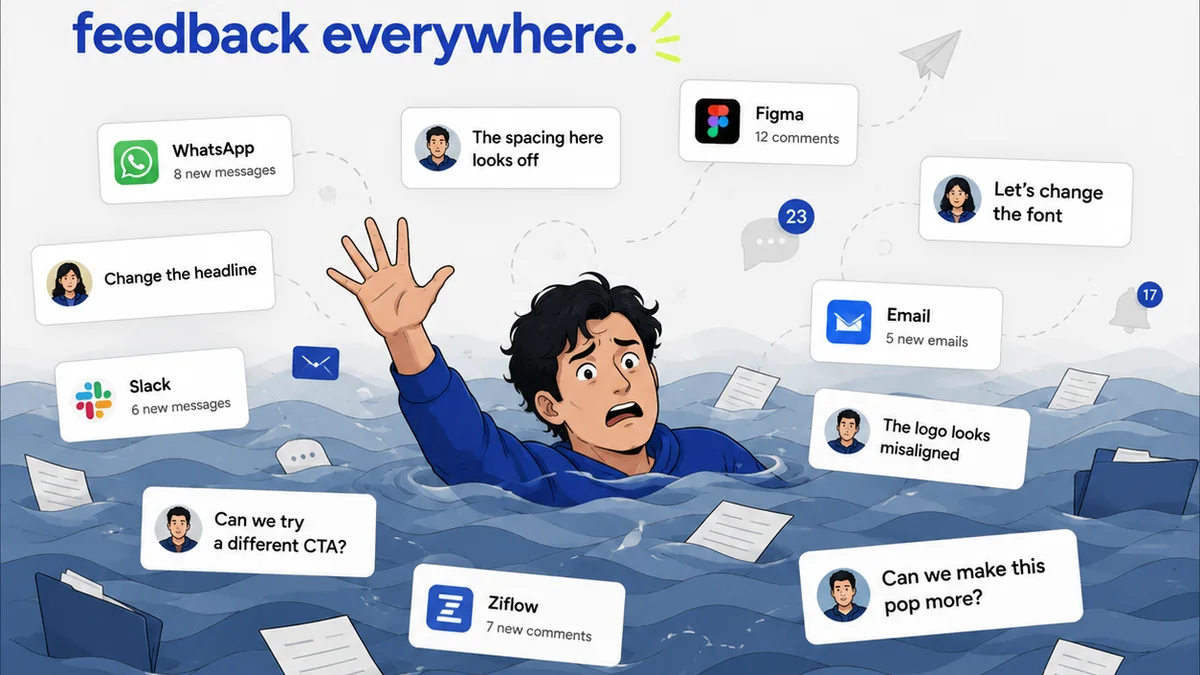
Feedback is often vague, contradictory, or buried in long email chains. What one person calls 'more pop' another might interpret as 'brighter colors' or 'larger typography.' Without a structured way to capture, organize, and act on feedback, these ambiguities become huge time sinks.
The Symptoms of Vague Feedback
- Endless revision cycles that go nowhere.
- Disagreements over what was ‘actually’ requested.
- Frustration from both the creative team and the client.
- Missed deadlines because of time wasted on misinterpretations.
This isn't a creative problem; it's a workflow problem. It’s a failure to establish a single source of truth for creative direction.
2. The Approval Black Hole
Approvals are supposed to be the finish line. A sign-off means the work is done, ready for the next stage, or ready to ship.
But too often, approvals become another bottleneck. They get delayed, forgotten, or given without full understanding.
This leads to work being pushed forward based on incomplete or conditional sign-offs. The downstream impact can be catastrophic, forcing costly rework or leading to client dissatisfaction.
Why Approvals Go Sideways
- Lack of a clear point person for final sign-off.
- Conflicting instructions from different stakeholders after a supposed approval.
- The 'minor tweak' that derails the entire project.
- No formal record of who approved what, and when.
This isn't about checking boxes. It's about accountability and clear project gates.
3. The Illusion of Visibility
We think we know where a project stands. We have our project management tools, our status meetings, our Gantt charts.
But do we really have visibility into the *nuances* of the creative process? Do we know precisely what feedback is outstanding, what revisions are in progress, and what the specific concerns are for the next approval?
Often, the answer is no. Information is siloed. The designer might know the client disliked a specific font, but the account manager might only see 'needs revision.' This lack of granular, accessible information cripples effective project management and proactive problem-solving.
Where Visibility Fails
- Project managers operate on incomplete data.
- Clients feel out of the loop or surprised by progress.
- Teams spin their wheels on the wrong tasks.
- Opportunities for early intervention are missed.
True visibility means everyone sees the same, up-to-date picture of the creative's journey from concept to completion.
4. The Quality Control Conundrum
Quality control (QC) is often an afterthought. It’s the final check before launch, a quick scan for typos or broken links.
But robust quality control isn't just a final pass; it’s integrated throughout the entire publication workflow. It’s about ensuring that every step, every revision, and every approval maintains the intended quality standards.
When QC is only at the end, it becomes a frantic scramble to fix issues that should have been caught much earlier. This is inefficient and often leads to compromises on quality itself.
The Cost of Delayed QC
- Last-minute fixes that introduce new errors.
- Damaged brand reputation due to overlooked mistakes.
- Increased costs for emergency fixes and re-launches.
- Burnout for the team performing the final, rushed checks.
Quality should be built in, not bolted on at the end.
Where Revue Fits In
This is where a centralized platform for creative collaboration becomes essential. Tools that promise to manage workflow often fall short because they don’t address these core communication and clarity issues directly.
Revue provides a single source of truth for creative projects. It’s built to tackle the real operational challenges that derail publication workflows.
- Centralized Feedback: All client comments, whether they are about a new graphic design element, a piece of copy, or a layout, are captured in one place, directly on the asset. This eliminates ambiguity and the need to hunt through endless email threads.
- Clear Revision and Approval Tracking: See exactly who has reviewed what, what feedback is pending, and what has been officially approved. This provides irrefutable clarity and accountability, turning the approval black hole into a transparent gateway.
- Streamlined Quality Checks: With all feedback and revisions logged, performing quality checks becomes a systematic process, not a last-minute panic. You can easily see the history and ensure all requirements have been met before final sign-off.
By bringing clarity and structure to feedback, revisions, and approvals, Revue helps creative teams move beyond the common pitfalls of publication workflow and deliver exceptional work, efficiently.
Final Thought
Are you managing your creative projects, or are your projects managing you?
The difference often lies not in the tools you use, but in the operational clarity you build into your process. Focus on the feedback loop, the approval gates, and the visibility across your team and clients. That's where the real magic—and the real profit—happens.
Frequently asked questions
What is the most common reason creative workflows fail?
The most common reason creative workflows fail is a breakdown in operational clarity and communication, particularly around how feedback is given, revisions are tracked, and approvals are managed. It's rarely a lack of creative talent or the wrong software.
How can I ensure client feedback is clear and actionable?
Establish a centralized platform where all feedback is captured directly on the creative asset. This eliminates confusion from scattered emails and ensures everyone is referencing the same comments. Define clear channels and expectations for feedback delivery.
What makes a good creative approval process?
A good approval process has clear stakeholders for sign-off, a defined timeline, and a formal record of who approved what and when. It should also ensure that all previous feedback has been addressed before a final approval is given.
How does visibility impact a publication workflow?
Visibility ensures that all team members and stakeholders have access to the same, up-to-date information about a project's status, outstanding feedback, and revision progress. This prevents miscommunication, reduces wasted effort, and allows for proactive problem-solving.