You think a publication workflow is just about hitting 'publish,' right? Get the copy done, get the images sorted, upload, done. Easy.
None of that is wrong. But it’s incomplete.
The real workflow isn’t just about the final click. It’s the messy, often invisible, process that gets you there. It’s the engine room of your content machine. And if it’s sputtering, your whole operation suffers.
1. The Hard Truth: Workflow Is About Friction Reduction
Most teams talk about workflows as a series of steps. Step A, then Step B, then Step C. That’s a start. But it misses the point.
A truly effective workflow is about removing friction. It’s about making it easier for your team to do their best work, faster. It’s about anticipating roadblocks and smoothing them out before they become crises.
Think about it. Where does your team get stuck?
- Waiting for approvals?
- Chasing down assets?
- Revising content based on unclear feedback?
- Duplicating effort because no one knows what’s already been done?
These aren't just minor annoyances. They are points of friction that kill momentum and drain resources. A good workflow eliminates them.
2. Defining Your Publication Workflow Pillars
A robust publication workflow rests on a few core pillars. Get these right, and everything else becomes manageable.
a. Clarity of Roles and Responsibilities
Who does what? It sounds obvious, but in fast-paced creative environments, it gets fuzzy. You need to define:
- Who is responsible for originating content?
- Who reviews and edits?
- Who handles final sign-off?
- Who uploads and publishes?
- Who promotes the content post-publication?
This isn't about micromanaging. It's about accountability. When everyone knows their part, tasks don't fall through the cracks.
b. Standardized Processes and Checklists
You wouldn’t build a bridge without blueprints. Don’t publish content without a process.
Develop standardized checklists for common tasks:
- Content Briefing: What information is essential before writing starts?
- Drafting & Editing: Style guide adherence, SEO checks, factual verification.
- Visual Asset Management: Sourcing, rights clearance, file naming conventions.
- Review & Approval: Clear stages, defined turnaround times, feedback protocols.
- Publishing: Platform checks, meta descriptions, scheduling.
- Post-Publication: Promotion plan, performance tracking.
These aren't meant to be rigid shackles. They are guardrails. They ensure consistency and quality, no matter who is executing the task.
c. Communication and Collaboration Channels
Where does feedback happen? How are questions asked? How is progress tracked?
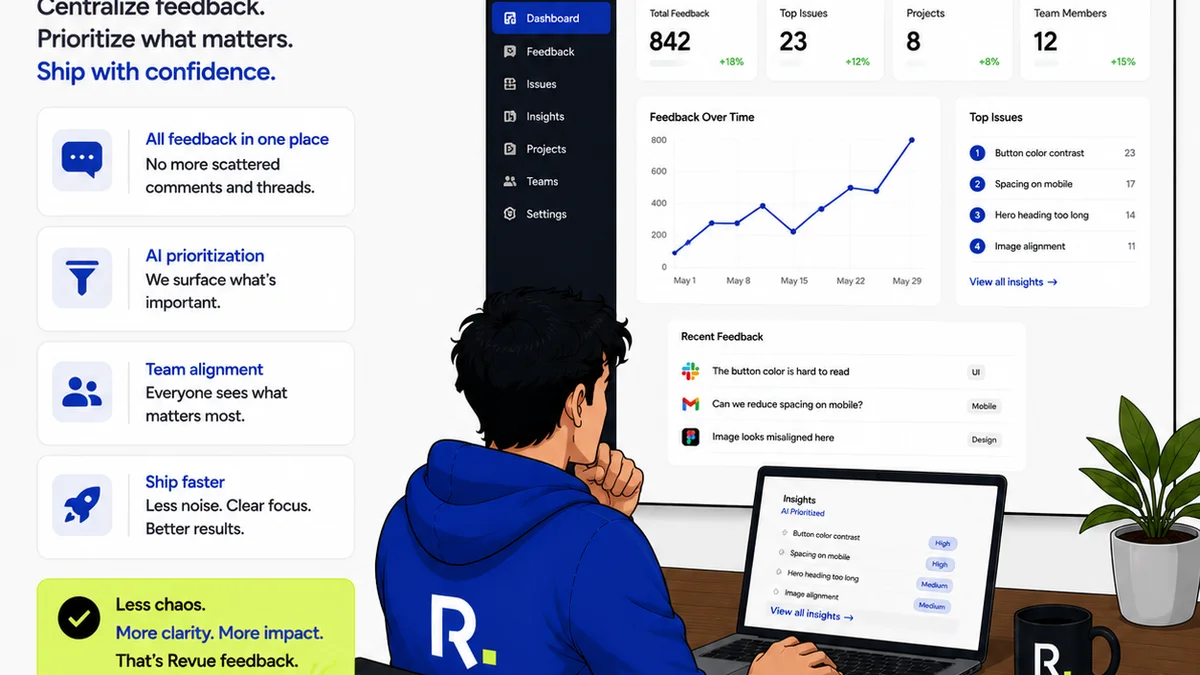
Ambiguous communication is a massive friction point. Centralize your communication around the content itself. Avoid endless email chains or scattered Slack messages.
Establish clear channels for:
- Initial briefing discussions.
- Draft reviews and comments.
- Final approval notifications.
- Urgent queries.
When communication is streamlined, decisions are made faster and misunderstandings are minimized.
d. Version Control and Asset Management
How many times has your team worked on a draft only to realize they’re using an outdated version?
This is a common symptom of poor asset management and version control.
You need a system for:
- Storing all content drafts and related assets (images, videos, etc.).
- Tracking changes and revisions clearly.
- Ensuring everyone is working from the latest approved version.
This prevents wasted effort and ensures that the final published piece is the one everyone agreed upon.
3. Common Workflow Pitfalls (And How to Avoid Them)
Even with the best intentions, workflows can go off the rails. Here are the usual suspects:
a. The Bottleneck Boss
This is the approver who is always busy, always on vacation, or just plain slow. Their delay holds up the entire process.
Solution: Set clear, non-negotiable turnaround times for approvals. If the bottleneck is a specific person, consider delegating approval authority or implementing tiered review processes.
b. The Feedback Black Hole
Feedback is given, but it’s vague, contradictory, or never actually gets incorporated. Or worse, it’s delivered verbally and never documented.
Solution: Mandate that all feedback be documented directly on the content or in a centralized system. Use specific, actionable language. Require reviewers to confirm they’ve understood and addressed the feedback.
c. The Asset Scavenger Hunt
Finding the right image, logo, or video takes longer than creating the content itself. Assets are scattered across drives, email inboxes, and cloud storage.
Solution: Implement a centralized Digital Asset Management (DAM) system or a clearly organized shared drive. Establish strict naming conventions and metadata tagging.
d. The Scope Creep Monster
Mid-project, new requests or changes are introduced without reassessing timelines or resources. This often happens because the initial brief was incomplete.
Solution: Have a strict change order process. Any significant deviation from the original brief requires a formal review of impact on timeline and budget, with sign-off required.
e. The
Frequently asked questions
What is a publication workflow?
A publication workflow is a defined set of steps and processes that content creators and publishers follow from initial idea generation through to final publication and promotion. It ensures consistency, quality, and efficiency.
Why is a clear workflow important for content teams?
A clear workflow reduces confusion, minimizes errors, speeds up production time, ensures accountability, and improves the overall quality of published content. It prevents bottlenecks and wasted effort.
What are the key stages in a typical publication workflow?
Key stages often include content planning/briefing, creation/drafting, editing, visual asset sourcing, review/approval, final production, publishing, and post-publication promotion and analysis.
How can I identify bottlenecks in my current workflow?
Look for areas where tasks consistently get delayed, where team members are frequently waiting on others, or where feedback loops are excessively long. Common bottlenecks include approvals, asset gathering, and unclear feedback.
How can technology help improve a publication workflow?
Technology like project management tools, content management systems (CMS), and digital asset management (DAM) systems can automate tasks, centralize communication and assets, track progress, and provide visibility, significantly reducing friction.