Everyone talks about workflow. They mean checklists, templates, maybe a shared drive. It’s about getting the job done.
None of that is wrong. But it’s incomplete.
The real truth about publication workflow isn’t about the steps. It’s about the *friction* between those steps. It’s about how easily information flows, how quickly feedback is processed, and how transparent the entire journey is for both your team and your client.
This isn’t about managing tasks; it’s about managing the *mess* that happens between tasks. That’s where projects get delayed, quality dips, and clients get frustrated.
1. The Myth of the Linear Process
We often visualize workflow as a straight line. Idea -> Draft -> Review -> Edit -> Publish. Simple.
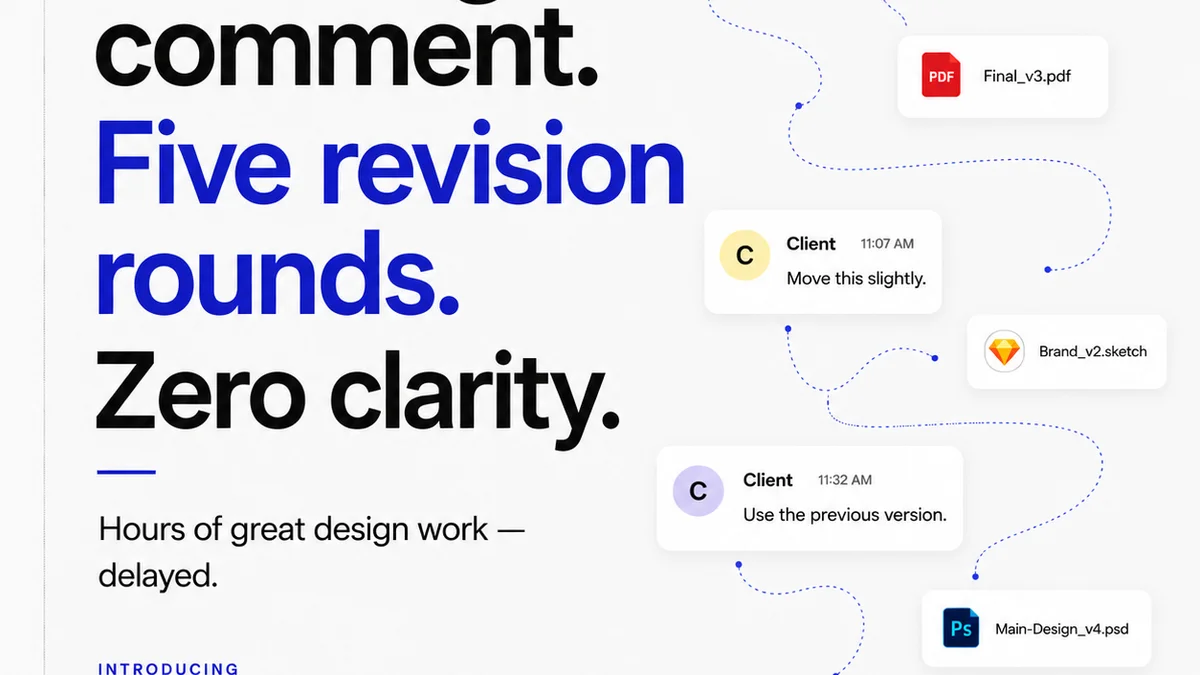
The reality? It’s a tangled web. Feedback loops, unexpected revisions, scope creep, team handoffs – they all create detours.
Thinking linearly leads to bottlenecks.
The Hidden Friction Points
- Misunderstood feedback
- Delayed approvals
- Version control chaos
- Inefficient communication channels
- Unclear ownership
- Scope creep disguised as “minor tweaks”
These aren't just minor annoyances. They’re productivity killers. They erode profitability and damage client relationships.
Mastering workflow means proactively identifying and eliminating these friction points, not just documenting the ideal path.
2. Feedback: The Double-Edged Sword
Client feedback is essential. It’s how we ensure we’re hitting the mark. But it’s also the most common source of workflow breakdown.
Poorly managed feedback leads to endless revisions and frustrated teams. It’s not the feedback itself, but how it’s gathered, interpreted, and acted upon.
From Chaos to Clarity
The assumption is that more feedback is better. The hard truth is that *structured*, *actionable* feedback is better.
This requires:
- Clear Briefing: Setting expectations upfront about the feedback process. What kind of feedback is expected? Who provides it? By when?
- Centralized Collection: All feedback in one place, not scattered across emails, Slack messages, and random Word docs.
- Consolidated Review: A single point of contact or a structured internal review to synthesize disparate comments.
- Contextual Annotation: Feedback tied directly to the specific element being discussed.
- Prioritization: Distinguishing between essential changes and subjective preferences.
Without this structure, feedback becomes noise. It’s a subjective and often contradictory mess that derails progress.
3. Revision & Approval: The Waiting Game
The time spent waiting for revisions or approvals is often the longest and most expensive part of a project. It’s pure overhead.
This isn’t just about the client being slow. It’s about your internal process for requesting and tracking these steps.
Eliminating Idle Time
How much time does your team spend chasing down approvals? How much time is lost because a file was sent to the wrong person, or the request lacked clarity?
Advanced workflow tackles this by:
- Automating Notifications: Ensuring the right people are prompted at the right time.
- Establishing SLAs: Setting clear turnaround times for feedback and approvals, both internally and with clients.
- Visualizing Progress: Making the status of revisions and approvals instantly visible to everyone involved.
- Creating Audit Trails: Documenting who said what, when, and what action was taken. This prevents “he said, she said” disputes.
The goal is to minimize the time between “work ready for review” and “work approved.” Every hour saved is direct profit.
4. Quality Control: The Final Frontier
Many teams treat quality control as a final, rushed check. A quick once-over before hitting publish.
This is a mistake. Quality isn't a final step; it’s baked into the entire workflow.
Building Quality In
The assumption is that a final proofread catches everything. The reality is that errors often slip through when quality checks are an afterthought.
An advanced publication workflow integrates quality assurance:
- At Handoffs: Each team member responsible for a specific stage performs a check before passing it on.
- Against Brief: Regularly comparing the work-in-progress against the original brief and client requirements.
- Automated Checks: Utilizing tools for grammar, spelling, broken links, and accessibility where applicable.
- Peer Reviews: Implementing a system where colleagues review each other's work for consistency and accuracy.
- Client Sign-off Clarity: Ensuring the final approval signifies acceptance of *all* aspects, preventing last-minute nitpicking.
This proactive approach prevents costly mistakes and ensures a polished final product, every time.
5. Where Revue Fits In
Managing these complex, often messy, interactions between steps is where a dedicated platform becomes indispensable.
Revue is built to address the friction points that plague publication workflows.
It’s not just about storing files. It’s about centralizing the entire feedback and approval cycle.
- Centralized Feedback: Comments and annotations are captured directly on the asset, eliminating scattered communication.
- Revision Visibility: Track every iteration, see who made what changes, and understand the history of the project.
- Streamlined Approvals: Clear, auditable sign-off processes reduce ambiguity and speed up the final go-ahead.
- Quality Assurance Tools: Built-in features help maintain consistency and catch errors before they reach the client.
By bringing clarity and structure to these critical stages, Revue helps agencies move faster, reduce errors, and deliver a superior client experience.
Final Thought
Is your workflow designed for the ideal path, or does it account for the inevitable detours and complexities of real-world creative production? The difference isn't just efficiency; it's the very foundation of your agency's profitability and reputation.
Frequently asked questions
What is the biggest challenge in publication workflow?
The biggest challenge is managing the friction between process steps, especially around feedback, revisions, and approvals. Poorly handled communication and lack of clarity lead to delays and errors.
How can I make client feedback more actionable?
Ensure clear briefing upfront, collect feedback in a centralized location, and have an internal process to consolidate and prioritize comments. Provide context for feedback and distinguish between essential changes and preferences.
How can I reduce the time spent waiting for approvals?
Implement automated notifications, establish clear Service Level Agreements (SLAs) for turnaround times, visualize progress, and maintain an audit trail of all communications and decisions.
When should quality control happen in a publication workflow?
Quality control should not be a final step. It needs to be integrated throughout the workflow, with checks happening at each handoff, against the brief, and potentially through automated tools and peer reviews.
How does a tool like Revue help with publication workflow?
Revue centralizes feedback and approvals, provides visibility into revisions and project history, and helps streamline the entire process, reducing friction, errors, and delays inherent in traditional workflows.