Everyone talks about the publication workflow. They talk about steps, checklists, and software. None of that is wrong. But it’s incomplete.
The hard truth? A publication workflow is less about the steps and more about the people and the process. It's about how you manage feedback, revisions, and approvals without losing your mind—or your client’s trust.
1. The Myth of the Straight Line
We often imagine creative workflows as a linear path. Idea, creation, feedback, revision, approval, launch. Simple. Clean. Wrong.
Reality is messier. Feedback loops overlap. Revisions spawn new questions. Approvals get stuck in limbo.
Your publication workflow needs to account for this chaos, not pretend it doesn’t exist.
The Hidden Costs of Linear Thinking
- Endless, unproductive email chains.
- Misinterpreted feedback leading to wasted revisions.
- Delayed approvals because no one knows who’s next.
- Frustrated clients and stressed teams.
- Lower quality output due to rushed final checks.
2. Defining Your Publication Workflow
At its core, a publication workflow is the set of processes and tools you use to move creative work from concept to final delivery. This includes everything from initial brief to final sign-off.
It’s the engine that drives your creative output. A well-oiled engine means faster delivery and happier clients. A clunky one means delays and headaches.
Key Stages to Consider
Every agency’s process will differ, but most publication workflows include these fundamental stages:
- Briefing & Strategy: Understanding the client’s goals and requirements.
- Concepting & Creative Development: Generating ideas and initial designs.
- Internal Review: Team members provide early feedback.
- Client Presentation: Showcasing the work to the client.
- Client Feedback: Gathering input from stakeholders.
- Revisions & Iteration: Implementing requested changes.
- Final Approval: Securing client sign-off.
- Quality Assurance (QA): Final checks before delivery.
- Delivery & Archiving: Handing off final assets and storing project files.
Each stage needs clear ownership and defined deliverables.
3. The Feedback Conundrum
This is where most publication workflows break down. Unstructured feedback is a project killer.
Think about it: scattered comments across emails, Slack messages, and even verbal notes. How do you track it all? How do you ensure the right feedback is actioned?
Common Feedback Fails
- Ambiguous Instructions: “Make it pop more.” What does that even mean?
- Conflicting Opinions: Multiple stakeholders giving contradictory feedback.
- Feedback on the Wrong Thing: Comments on copy when the focus should be design.
- Lack of Context: Feedback without understanding the original brief or constraints.
- Delayed Responses: Waiting days for a simple yes or no.
This isn’t just annoying; it directly impacts your bottom line through extended timelines and rework.
4. Mastering Revisions and Approvals
Revisions are inevitable. But they shouldn’t be endless.
A strong publication workflow has clear rules of engagement for revisions. How many rounds are included? What triggers a new round? Who has final approval authority?
Streamlining the Process
- Define Revision Rounds: Clearly state in your SOW how many rounds are included.
- Centralize Feedback: Use a single platform where all feedback is logged and tracked.
- Consolidate Comments: Group similar feedback and address it together.
- Clarify Scope: Push back gently on requests that fall outside the original brief.
- Establish Sign-off: Identify the ultimate decision-maker for approvals.
Without this structure, you’re just guessing.
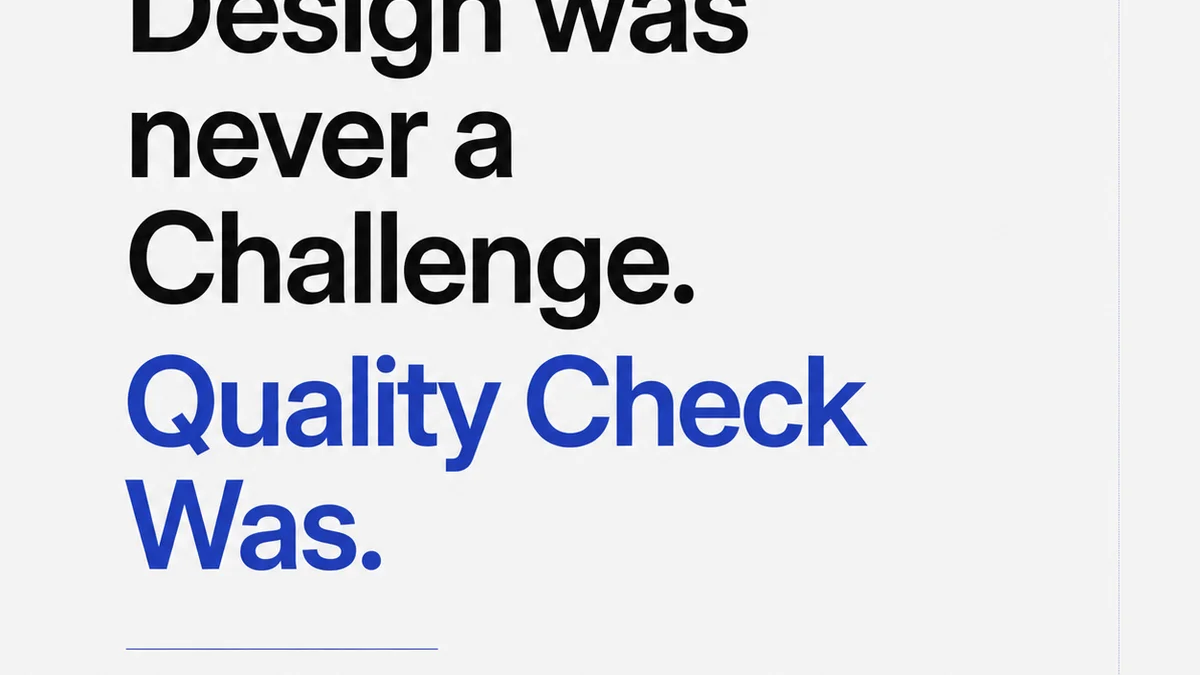
5. The Crucial Final Check: Quality Assurance
Too often, QA is an afterthought. A quick glance before hitting send.
This is a critical failure point in many publication workflows. A missed typo, a broken link, a misaligned element—these errors undermine your agency’s professionalism.
Elements of a Robust QA Process
- Checklists: Create detailed checklists for different asset types (e.g., website, brochure, social media).
- Cross-Browser/Device Testing: Ensure digital assets work across various platforms.
- Proofreading: Dedicated time for copy review.
- Functionality Testing: Verify all links, forms, and interactive elements.
- Brand Consistency: Ensure all elements align with brand guidelines.
This isn't about being nitpicky; it's about delivering polished, professional work every single time.
Where Revue Fits In
Managing client feedback, tracking revisions, and ensuring quality checks happen seamlessly requires the right tools. This is precisely why Revue was built.
Revue acts as the central hub for your publication workflow. Instead of juggling emails and spreadsheets, you get:
- Centralized Client Feedback: All comments, annotations, and discussions live in one place, linked directly to the creative asset. No more hunting for lost feedback.
- Clear Revision History: Easily track what feedback was actioned, what was rejected, and why. Every version is preserved.
- Streamlined Approvals: Move clients through the approval process with clear status updates and notifications. Reduce bottlenecks.
- Integrated Quality Checks: Ensure all necessary QA steps are completed before final delivery.
Revue brings clarity and control to the often-chaotic final stages of your creative projects.
Final Thought
Your publication workflow isn’t just a set of steps. It’s a reflection of your agency’s operational maturity and commitment to quality.
Are you managing your workflow, or is it managing you?
Frequently asked questions
What is a publication workflow?
A publication workflow is the system of processes, tools, and tasks used to move creative work from initial concept through client feedback, revisions, approvals, and final delivery. It ensures a structured and efficient path for project completion.
Why is managing client feedback so important?
Effective feedback management prevents misunderstandings, reduces unnecessary revisions, keeps projects on schedule, and ultimately leads to higher client satisfaction. Unstructured feedback is a major cause of project delays and scope creep.
How can agencies improve their revision process?
Agencies can improve revisions by clearly defining the number of rounds included in their contracts, centralizing all feedback in one platform, consolidating comments, clarifying scope, and establishing a clear sign-off authority to prevent endless iterations.
What role does Quality Assurance (QA) play?
Quality Assurance is crucial for ensuring the final deliverable is polished, error-free, and meets all requirements. It involves detailed checks like proofreading, testing functionality, and verifying brand consistency before final delivery.