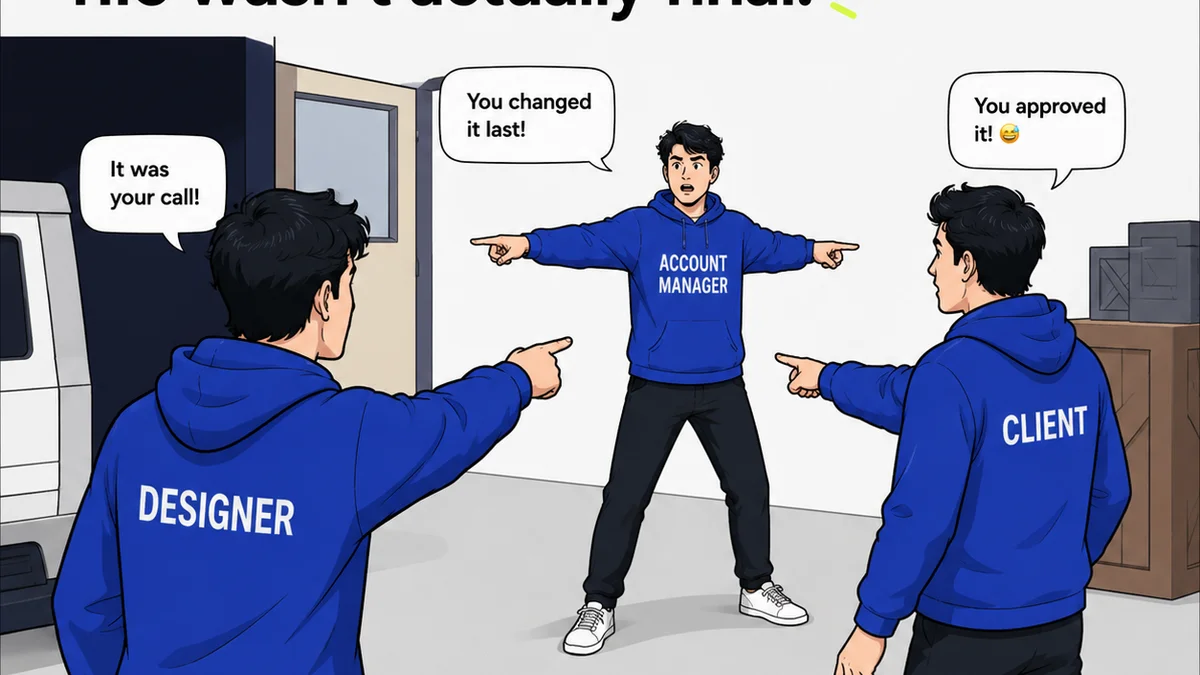
Everyone talks about KPIs. Speed. Output. Volume. They’re all important, sure. But are they the *right* metrics for your publication workflow? Probably not.
Most agencies chase metrics that look good on a dashboard but don’t reflect the actual health of their creative output. It’s like measuring how fast a car is going without checking if it’s pointed in the right direction, or if the engine is about to seize.
The hard truth? Your publication workflow KPIs should measure efficiency, clarity, and client satisfaction. They should tell you if you’re building a sustainable, profitable process, not just a busy one.
1. Revision Cycle Time
This is the time from when feedback is delivered to a creative asset until the *final* approval is granted. Not just the first round, but the entire back-and-forth.
Why it matters:
- Long revision cycles drain resources.
- They delay project launches, impacting client revenue.
- They signal communication breakdowns or unclear briefs.
Common assumption: “We’re just getting a lot of feedback.”
Hard truth: Unmanaged feedback is a symptom of a broken process, not just a demanding client.
Tracking Revision Cycle Time
This isn't just about the clock. It's about understanding the *quality* of the feedback and the *efficiency* of the response.
Measure:
- Total time from initial feedback to final sign-off.
- Number of revision rounds per asset.
- Time spent per revision round.
Look for patterns. Are certain clients or project types consistently causing delays? Is feedback vague, contradictory, or late?
2. Feedback Clarity Score
This is a more qualitative KPI, but no less critical. How clear, actionable, and consolidated is the feedback you receive?
Why it matters:
- Vague or contradictory feedback leads to wasted effort and frustration.
- It forces creatives to guess, increasing the risk of rework.
- It erodes trust between the agency and the client.
Common assumption: “Clients just don’t know what they want.”
Hard truth: Your process isn’t equipped to *extract* clarity from client input.
Measuring Feedback Clarity
This requires a system for classifying feedback.
When feedback comes in, categorize it:
- Actionable: Clear, specific instructions.
- Ambiguous: Needs clarification.
- Contradictory: Conflicts with previous feedback or objectives.
- Subjective/Opinion: Lacks objective reasoning.
- Out of Scope: Beyond the original brief.
Calculate a score based on the percentage of actionable feedback. A low score indicates a need to improve your brief-writing, presentation, or feedback-gathering process.
3. Approval Rate Per Round
This measures how often an asset is approved on the first, second, or subsequent revision round.
Why it matters:
- High approval rates early indicate clear briefs and effective creative execution.
- Low rates signal problems with understanding, brief alignment, or creative direction.
Common assumption: “We just need to keep tweaking it until they like it.”
Hard truth: The goal isn’t endless tweaking; it’s efficient alignment.
Analyzing Approval Rates
Track this per client, per project, and per asset type.
Questions to ask:
- Are we getting approvals on the first round consistently?
- Which clients or teams have the lowest approval rates?
- Are there specific stages where approvals stall?
A consistently low first-round approval rate means your initial creative isn’t hitting the mark. This points to issues upstream: discovery, briefing, or client alignment before creative even starts.
4. Rework Percentage
This KPI quantifies the amount of work that needs to be redone due to errors, misinterpretations, or scope creep, as opposed to necessary creative evolution.
Why it matters:
- Rework is a massive drain on profitability.
- It indicates flaws in your quality control or communication.
- It can lead to team burnout.
Common assumption: “A little rework is just part of the job.”
Hard truth: Uncontrolled rework is a sign of systemic failure.
Quantifying Rework
This requires diligent tracking. When significant changes are requested:
- Document the reason for the rework.
- Estimate the time and resources spent on the rework.
Attribute rework to its cause:
- Client error/miscommunication.
- Internal error/misinterpretation.
- Scope creep.
- Insufficient quality check.
A high rework percentage tied to internal errors or insufficient quality checks demands immediate process improvement.
5. Client Satisfaction with Feedback Process
This is the ultimate validation. Are your clients happy with how they provide feedback and how revisions are handled?
Why it matters:
- Happy clients mean repeat business and referrals.
- A smooth feedback process builds trust and strengthens relationships.
- Unhappy clients churn.
Common assumption: “As long as the final work is good, they’ll be happy.”
Hard truth: The *experience* of getting there is as important as the destination.
Gathering Client Feedback
Don't guess. Ask.
- Post-project surveys.
- Informal check-ins.
- Dedicated feedback sessions.
Ask specific questions about the feedback process:
- Was it easy to provide feedback?
- Was the feedback addressed promptly and effectively?
- Did you feel heard and understood?
- How could we improve our feedback process?
This feedback loop is crucial for continuous improvement.
Where Revue Fits In
Chasing these KPIs manually is a nightmare. It requires juggling spreadsheets, email chains, and endless meetings.
Revue is built to bring clarity and control to your publication workflow. Centralized feedback means no more hunting through inboxes. Version control ensures everyone sees the latest iteration, reducing confusion.
With Revue, you can:
- Streamline Feedback: Collect all client comments directly on the creative asset.
- Manage Revisions: Track every change, every version, and who approved what.
- Enhance Visibility: Get a clear overview of project status and potential bottlenecks.
- Improve Quality Checks: Ensure sign-offs happen with all stakeholders aligned.
This isn’t about automating creativity. It’s about automating the messy administrative parts so your team can focus on what they do best.
Final Thought
Are your KPIs helping you build a better agency, or just creating a more complex reporting burden? Look past the surface-level metrics. Dig into the operational realities of your publication workflow. Are you truly efficient, clear, and client-focused? Or are you just busy?
Frequently asked questions
What are the most important KPIs for a creative agency's publication workflow?
The most important KPIs focus on efficiency, clarity, and client satisfaction. These include Revision Cycle Time, Feedback Clarity Score, Approval Rate Per Round, Rework Percentage, and Client Satisfaction with the Feedback Process.
How can I improve my agency's revision cycle time?
Improve your brief clarity, centralize feedback to avoid miscommunication, establish clear approval processes, and use tools that streamline version control and feedback collection. Addressing vague or contradictory feedback promptly is also key.
What is a 'Feedback Clarity Score' and how is it measured?
A Feedback Clarity Score quantifies how actionable and clear the feedback received is. It's measured by categorizing feedback (actionable, ambiguous, contradictory, subjective, out of scope) and calculating the percentage of feedback that is actionable and requires minimal interpretation.
Why is tracking rework percentage important for an agency?
Tracking rework percentage is crucial because rework directly impacts profitability and team morale. High rework indicates flaws in communication, quality control, or the initial briefing process, all of which need to be addressed to improve efficiency and client satisfaction.
How can tools like Revue help with these KPIs?
Revue centralizes feedback, manages revisions, and provides visibility into the entire publication workflow. This helps reduce revision cycle times, improves feedback clarity by keeping it contextual, and provides data to track approval rates and minimize rework, ultimately enhancing client satisfaction.