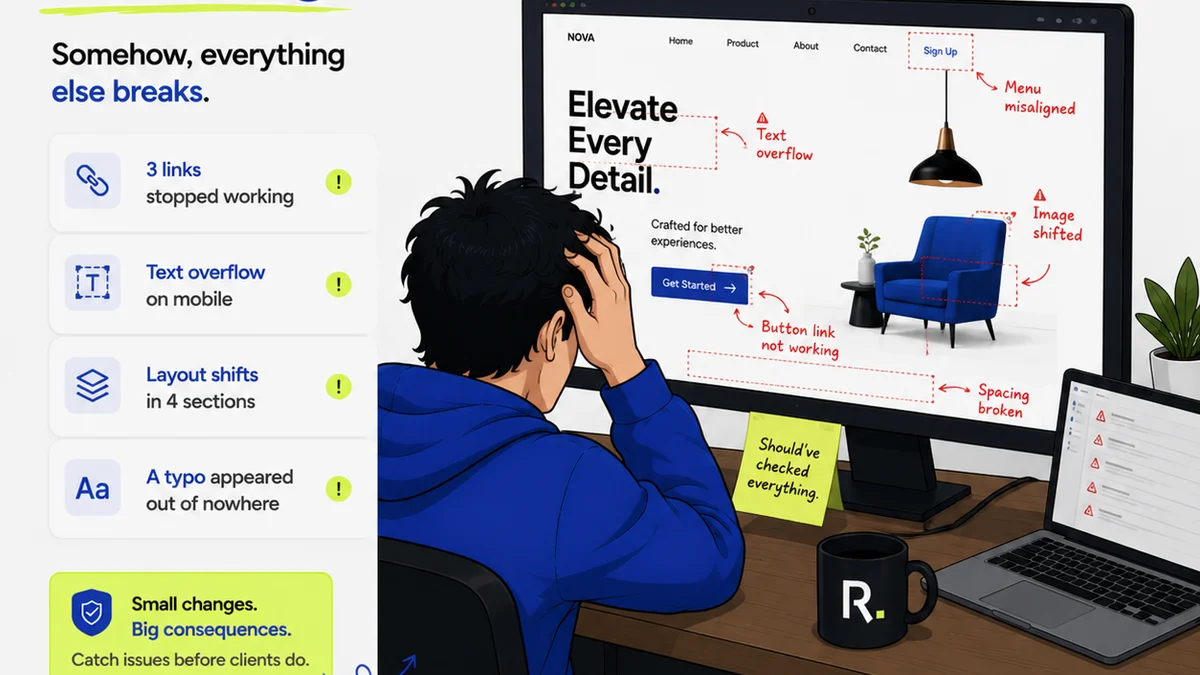
Everyone talks about speed. Everyone talks about efficiency. Everyone talks about hitting deadlines. And sure, those things matter. None of that is wrong. But it’s incomplete.
The real differentiator? The thing that separates agencies that just survive from those that truly thrive? It’s a relentless focus on quality. Not as an afterthought, but as the bedrock of everything you do.
A quality-first culture isn't about being precious or slow. It’s about building the right processes, having the right conversations, and making quality the non-negotiable standard. It’s the hard truth that underpins every successful creative output.
1. The Myth of "Good Enough"
We’ve all been there. The client is breathing down your neck. The deadline is looming. The pressure to just “get it done” is immense.
So, you compromise. You cut a corner here, skip a review there. You tell yourself, “It’s good enough.”
But is it?
The Hidden Costs of "Good Enough"
- Client dissatisfaction, even if they don’t explicitly say it.
- Internal team burnout from constant rework and firefighting.
- Damage to your agency’s reputation over time.
- Missed opportunities for truly groundbreaking work.
- Erosion of team pride and craftsmanship.
"Good enough" is a siren song, luring you onto the rocks of mediocrity. It’s a short-term fix with long-term consequences.
True quality isn't just about avoiding mistakes. It's about striving for excellence, even when it's hard.
2. Building Quality Into the Process, Not Onto It
Too many teams treat quality as a final coat of paint. Something you slap on at the end, hoping it covers up any underlying issues.
This is backward.
Quality must be baked into every stage of your workflow, from the initial brief to the final delivery.
Integrating Quality Checks
- Briefing: Are the objectives crystal clear? Are the success metrics defined? Ambiguity here is the enemy of quality.
- Concepting: Is the team exploring a diverse range of ideas? Are they pushing creative boundaries?
- Development: Are there regular internal check-ins? Is the work aligned with the brief and strategic goals?
- Feedback: Is feedback constructive, specific, and actionable? Is it consolidated effectively?
- Revision: Are revisions tracked and managed efficiently? Are they addressing the core issues, not just surface-level tweaks?
- Approval: Is there a clear sign-off process? Are all stakeholders aligned before final delivery?
Every step is an opportunity to ensure quality. Every step is a chance to catch potential problems before they escalate.
This requires discipline. It requires clear roles and responsibilities. It requires a commitment from the top down.
3. The Role of Leadership in Fostering Quality
A quality-first culture doesn’t just happen. It’s cultivated.
Leaders set the tone. They champion the standards. They provide the resources.
What Leaders Must Do
- Define Quality Clearly: What does
Frequently asked questions
What is a quality-first culture in a creative agency?
A quality-first culture prioritizes excellence and high standards in every aspect of the creative process, from initial concept to final delivery. It's about building quality into the workflow rather than treating it as an optional add-on.
How can I integrate quality checks into my agency's workflow?
Integrate quality checks at every stage: clarify briefs, encourage diverse concepts, hold regular internal reviews, ensure feedback is actionable, track revisions meticulously, and establish clear approval processes.
What is the biggest risk of aiming for "good enough"?
The biggest risk is the long-term damage to your agency's reputation and client relationships. While it might seem efficient in the short term, it leads to client dissatisfaction, internal burnout, and a decline in the overall standard of work.
How does client feedback impact quality?
Client feedback is crucial, but it needs to be managed effectively. A quality-first culture ensures feedback is consolidated, constructive, and clearly understood, preventing misinterpretations and endless, unproductive revision cycles.