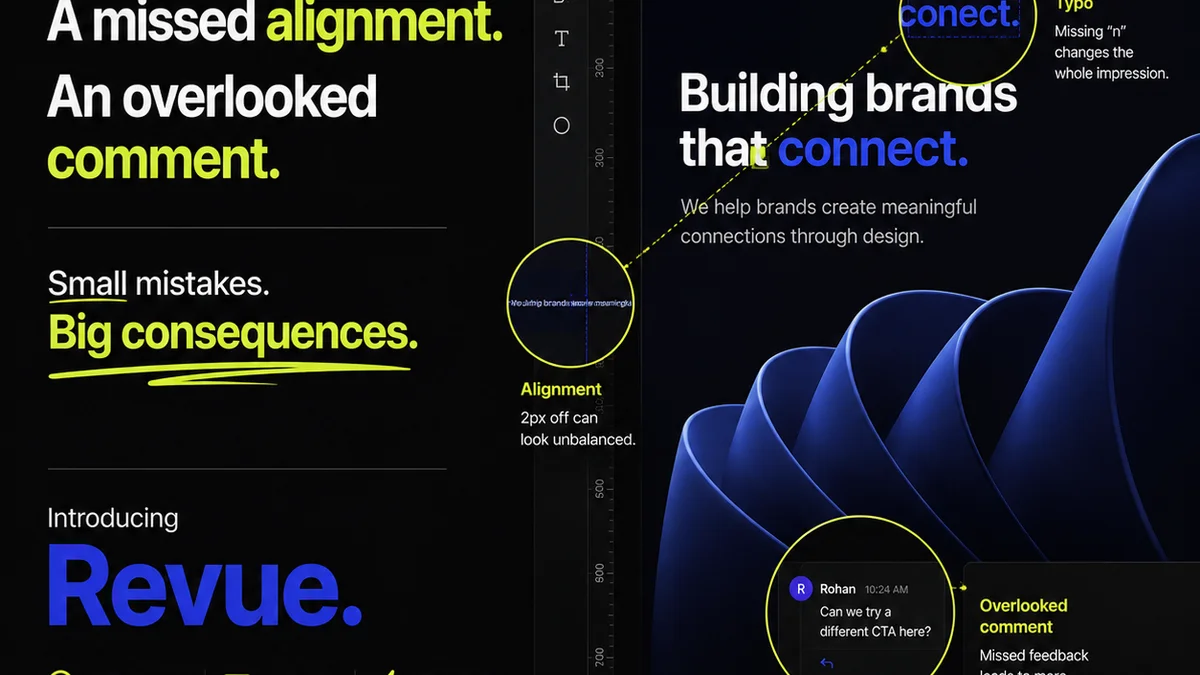
You think scaling your agency means just hiring more people and winning bigger clients. That’s the surface-level playbook.
But the real engine of sustainable growth isn’t just capacity; it’s control. Specifically, it’s about maintaining quality under pressure.
Many agencies assume their existing processes are fine as they grow. They assume the core methods that worked for a small team will magically scale. They’re wrong.
The hard truth is, the very things that let you get by when you’re small become lead weights when you’re trying to fly.
1. The Illusion of 'Everyone Knows What Good Looks Like'
This is the most dangerous assumption. In a small team, everyone’s on the same page. You can eyeball it. You know Dave’s penchant for bold typography, or Sarah’s eye for subtle color shifts.
As you grow, that informal knowledge evaporates. New hires don’t have that ingrained understanding. Clients change, expectations shift.
Without a codified quality standard, you get:
- Inconsistent output across different teams or individuals.
- Subjective feedback that’s hard to act on.
- Revisions circling endlessly because the 'why' is never clear.
- Senior talent bogged down with basic quality checks instead of high-level strategy.
This isn't about micromanaging. It's about clarity. It's about building a consistent, recognizable standard of excellence that defines your agency.
Defining Your Agency's Quality Bar
What does 'good' actually mean for your agency? This needs to be explicit.
It’s more than just brand guidelines. It’s about:
- Visual polish: Are assets pixel-perfect? Are fonts applied correctly?
- Brand consistency: Does this feel like our client, or someone else’s?
- Strategic alignment: Does the creative solve the stated problem?
- Technical execution: Is the file format correct? Is the resolution adequate?
This definition becomes your North Star. Without it, you’re navigating by guesswork.
2. Treating Feedback as a Black Box
Client feedback is gold. Or so they say. But often, it’s delivered haphazardly. Via email chains that stretch into infinity. Through Slack messages lost in the noise. Or even verbally in meetings where notes are sparse.
Your team then has to decipher this scattered information. They're expected to extract actionable insights from ambiguity.
This isn’t quality management; it’s archaeology.
Symptoms of a black-box feedback system:
- Endless revision cycles.
- Misinterpretations leading to wasted work.
- Frustrated clients who feel unheard.
- Demoralized teams working on moving targets.
- Missed deadlines because of unclear direction.
The problem isn't the client's feedback itself. It's how you capture, organize, and action it.
The Cost of Ambiguity
Every hour spent deciphering unclear feedback is an hour not spent on strategic thinking, creative problem-solving, or client relationship building.
It eats into your margins and your team’s morale. It’s a direct drag on your agency’s growth potential.
3. The
Frequently asked questions
What is the biggest quality management mistake growing agencies make?
The most common mistake is assuming that informal quality standards that worked for a small team will automatically scale. As agencies grow, these informal processes break down, leading to inconsistency and inefficiency.
How does poor client feedback handling impact an agency?
Poorly managed feedback leads to endless revision cycles, wasted effort, misinterpretations, and frustrated clients and teams. It directly impacts project timelines, budgets, and overall client satisfaction.
What are the signs of a broken quality control process in an agency?
Signs include inconsistent creative output, subjective feedback that's hard to act on, frequent 'scope creep' due to unclear requirements, and senior staff being bogged down with basic quality checks.
How can agencies improve their quality management as they scale?
Agencies can improve by codifying quality standards, implementing structured feedback and approval processes, leveraging technology for centralized communication, and empowering teams with clear guidelines and tools.