Everyone talks about creative quality. It’s the holy grail, right? The thing that separates the agencies that thrive from those that just… exist. You probably think quality management is about ticking boxes, following brand guidelines, and making sure the client’s logo is the right color. None of that is wrong. But it’s incomplete.
The hard truth is that quality management in creative work is shifting. It’s less about rigid, top-down control and more about building systems that empower teams and ensure consistency without stifling creativity. The trends aren't just about *checking* quality; they're about *building* it into the process from the ground up.
1. From Gatekeeping to Enabling: The Rise of Process as a Product
For years, quality control was seen as a final hurdle. A gatekeeper ensuring nothing bad got out the door. This often meant a lot of last-minute fixes, frustrated creatives, and stressed account managers. It was reactive.
The new wave? Process as a product. This means building workflows, templates, and tools that are so intuitive and effective, they *enable* quality. Think of it like a well-designed manufacturing line. The quality is baked in, not bolted on.
The Shift in Mindset
This isn't just about software. It's a fundamental shift:
- From rigid rules to flexible frameworks: Guidelines that adapt to project needs.
- From manual checks to automated assistance: Using tech to catch common errors.
- From blame to learning: Post-mortems focused on system improvement, not individual fault.
- From isolated QC to integrated quality: Quality is everyone's job, at every stage.
When your process is a product, it serves your team. It makes their lives easier and guides them toward the desired outcome. It’s proactive.
2. The Data-Driven Creative: Measuring What Matters
Gut feeling and subjective taste have always been part of creative work. And they always will be. But relying solely on these can lead to inconsistent results and internal debates disguised as creative direction.
The trend is towards using data to inform and measure quality. This isn't about turning creatives into statisticians. It's about identifying objective metrics that correlate with successful outcomes.
What Data Can Tell You
Consider these areas:
- Client Satisfaction Scores (CSAT) and Net Promoter Scores (NPS): Direct feedback on the final product and the experience.
- Revision Cycles: Tracking the number and nature of revisions can highlight clarity issues in briefs or feedback.
- On-time Delivery Rates: While not directly creative quality, it impacts client perception and overall project success.
- Internal Review Feedback Patterns: Are certain types of feedback consistently missed or misinterpreted?
- Asset Usage and Performance (for digital): How are the creative assets actually performing in the wild?
The key is to identify metrics that are actionable. Data that leads to better briefs, clearer feedback, more efficient workflows, and ultimately, better creative output.
3. AI as a Co-Pilot, Not a Replacement
AI in creative workflows is no longer science fiction. It's here. And it's rapidly changing how quality is managed.
Many leaders still see AI as a threat or a magic bullet. The reality is more nuanced. AI is becoming an indispensable co-pilot, augmenting human capabilities and handling tasks that were once tedious and prone to error.
Practical AI Applications for Quality
Think about these:
- Automated Brand Guideline Checks: AI can scan designs for correct color usage, logo placement, and font consistency far faster than a human.
- Grammar and Tone Analysis: Ensuring copy meets brand voice and is error-free.
- Image Recognition for Consistency: Verifying that imagery aligns with campaign themes or brand aesthetics.
- Predictive Analytics for Project Risk: Identifying projects that might be heading off track based on early data.
- Content Generation Assistance: While not direct QC, AI can help generate drafts that adhere to specific parameters, reducing the initial error baseline.
The role of the human creative director doesn't disappear. It evolves. You move from being the sole arbiter of detail to the strategic guide and final curator, leveraging AI to handle the heavy lifting of consistency and error detection.
4. The Unified Feedback Loop: Breaking Down Silos
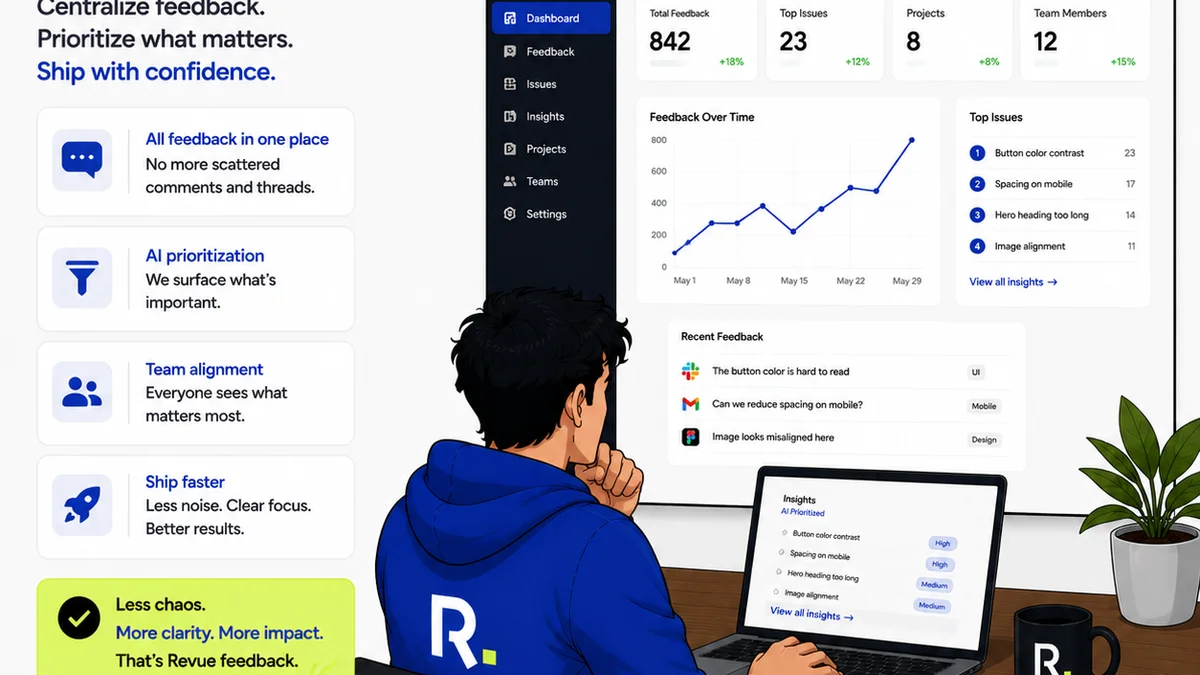
One of the biggest drains on creative quality is fragmented feedback. Client comments buried in email chains, internal notes lost in Slack, vague verbal instructions. This leads to misinterpretation, missed feedback, and endless clarification cycles.
The trend is towards unified, centralized feedback systems. Tools that bring all stakeholders and all feedback into a single, visible, actionable stream.
The Cost of Siloed Feedback
What happens when feedback is scattered?
- Misunderstandings: Key instructions get lost or are seen by the wrong people.
- Duplication of Effort: Multiple people working on the same revision without knowing.
- Scope Creep: Uncontrolled feedback leading to features or changes not originally planned.
- Delayed Approvals: Difficulty in tracking who has seen what and what needs final sign-off.
- Frustrated Teams: Constant
Frequently asked questions
What is the difference between traditional QC and modern quality management in creative agencies?
Traditional QC often acts as a final gatekeeper, checking for errors before delivery. Modern quality management integrates quality checks throughout the entire creative process, aiming to build quality in from the start through optimized workflows, clear communication, and enabling tools, rather than just catching mistakes at the end.
How can AI help improve creative quality without sacrificing originality?
AI can act as a co-pilot by automating tedious tasks like brand guideline checks, grammar analysis, and consistency verification. This frees up human creatives and directors to focus on strategic thinking, conceptualization, and the unique artistic elements that AI cannot replicate, ensuring efficiency and consistency while preserving human creativity.
Why is centralized feedback crucial for creative quality?
Centralized feedback eliminates misinterpretations, missed instructions, and duplicated efforts that arise from scattered comments across emails, chats, or documents. It provides a single source of truth, ensures all stakeholders see the same feedback, streamlines the revision process, and speeds up approvals, leading to higher quality output and less team frustration.
How do data and metrics contribute to creative quality?
Data can provide objective insights into what works and what doesn't. By tracking metrics like client satisfaction, revision cycles, and asset performance, agencies can identify patterns, refine briefs, improve feedback clarity, and optimize workflows. This data-informed approach helps move beyond subjective opinions to make decisions that demonstrably enhance creative outcomes and client success.