Agencies and in-house teams constantly chase efficiency. They slash ad spend, renegotiate vendor contracts, and squeeze every last drop out of their marketing budgets. It’s the standard playbook for cost reduction. And none of that is wrong. But it’s incomplete.
The deepest, most impactful cost savings in campaign execution aren’t found in the media buy. They’re buried in the operational drag of your creative process.
The Hard Truth: Inefficient Design Workflow Is Your Biggest Cost Center
You’re likely bleeding money on revisions, rework, and missed deadlines. Every hour spent chasing feedback, deciphering conflicting notes, or redoing work that was *almost* right is a direct hit to your bottom line. It’s not just about wasted creative time; it’s about delayed launches, missed market opportunities, and client frustration that costs future business.
1. The Myth of the 'Quick Revision'
We all say it: “Just a few tweaks.” Then those “tweaks” spiral. A minor copy change becomes a layout overhaul. A color adjustment requires re-rendering all associated assets. This isn’t magic. It’s a symptom of a broken feedback loop.
The Feedback Black Hole
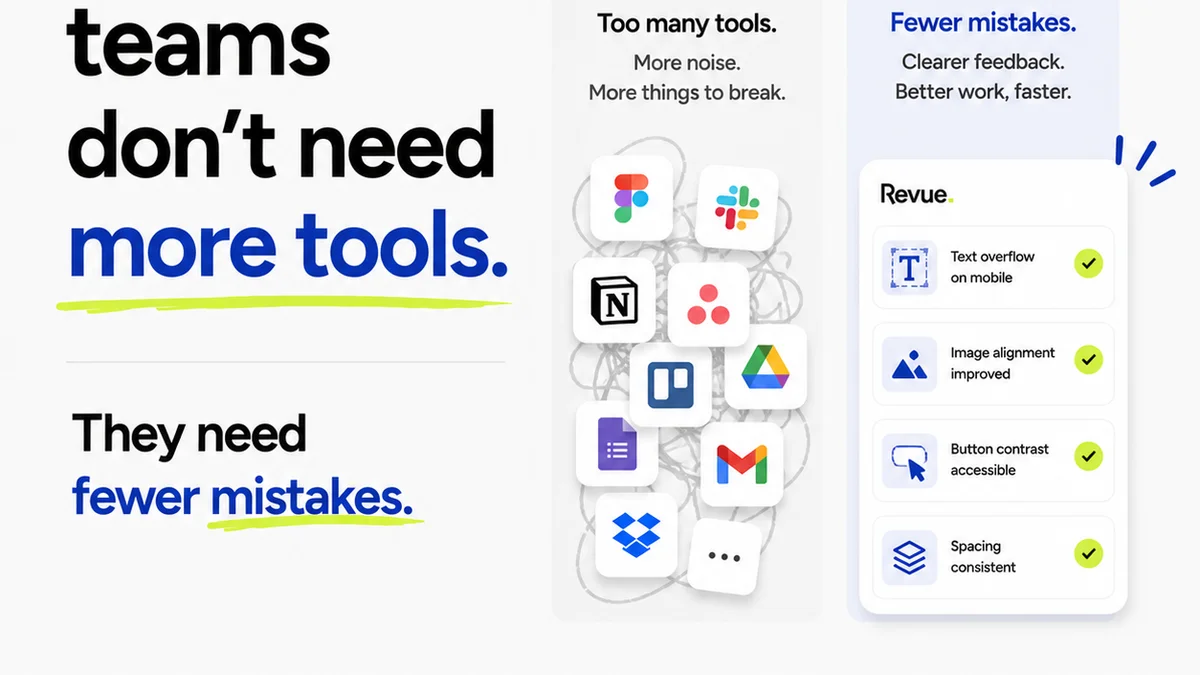
Where does feedback live? Email threads? Slack channels? Random documents? When feedback is scattered, it’s impossible to track, prioritize, or even understand the full context. What seems like a small change requested in a hurried Slack message might contradict a formal note from a week ago, buried in a PDF.
- Conflicting stakeholder opinions.
- Ambiguous or vague instructions.
- Lack of clear ownership for feedback.
- No centralized record of approvals.
Each of these creates friction. Friction costs time. Time costs money.
The Illusion of Speed
A quick turnaround on a revision request feels efficient. But if that revision is based on unclear or incomplete feedback, you’re not being fast; you’re being reckless. You’re doubling down on potential rework before the ink is even dry on the first version.
True speed comes from clarity and accuracy the first time around. It comes from a process that ensures feedback is consolidated, understood, and acted upon correctly.
2. The Hidden Cost of 'Good Enough' Approvals
Client approval is a milestone. But what if the approval wasn't truly comprehensive? What if a key stakeholder missed something? Or what if the approval was given under pressure, with a vague understanding of the final output?
The 'Rubber Stamp' Approval
This happens more often than you’d think. A client, busy and overloaded, gives a cursory glance and clicks “Approve.” They trust their team or the agency to catch everything. But when something *does* slip through, who’s accountable? Often, it’s the agency or the internal team that produced the work.
This isn’t a criticism of clients. It’s a reality of how business gets done. Your process needs to account for this.
The Re-Approval Nightmare
When an issue is caught post-approval – perhaps during QA, or worse, after launch – the cost skyrockets. You’re not just revising; you’re potentially re-approving everything. This involves chasing down original stakeholders, explaining the issue, and getting new sign-off, all while the clock ticks and pressure mounts.
This is where a clear, documented, and visible approval process is critical. Everyone needs to see what’s being approved, and have a clear way to flag concerns before the final sign-off.
3. The Domino Effect of Delayed Launches
Campaigns are rarely standalone projects. They’re part of a larger marketing strategy, often tied to specific market windows, product launches, or seasonal events. Delays aren’t just inconvenient; they can be financially catastrophic.
Missed Market Windows
Imagine a holiday campaign that misses Black Friday. Or a product launch announcement that’s delayed past the press embargo. The opportunity cost is immense. The revenue that could have been generated is lost, potentially forever.
Budget Overruns on Unplanned Work
When a campaign is delayed, teams are often forced to scramble. This can mean pulling resources from other projects, incurring overtime costs, or paying rush fees for external services. The initial campaign budget balloons, not because of media spend, but because of operational paralysis.
Erosion of Client Trust
Consistent delays and rushed work chip away at client confidence. They start to question your reliability and project management capabilities. This can lead to lost retainers and damaged long-term relationships.
4. The Real Cost of Poor Quality Control
Cutting corners on quality control to save time or money is a false economy. Errors in campaigns – typos, broken links, incorrect branding, technical glitches – are not just embarrassing; they actively harm your brand and your client’s brand.
Brand Damage
A campaign riddled with errors signals unprofessionalism and a lack of attention to detail. This reflects poorly on the brand, undermining credibility and potentially alienating customers.
Wasted Ad Spend
If your ads have broken links, incorrect landing pages, or targeting errors, you’re literally paying to send people to the wrong place or nowhere at all. That’s money burned with zero return.
Operational Bottlenecks
Internal QA processes can become overloaded and inefficient if they’re constantly playing catch-up, trying to find errors that should have been caught much earlier in the design and review cycle.
Where Revue Fits In
The core of these operational inefficiencies lies in how creative work is managed, reviewed, and approved. Scattered feedback, unclear version control, and opaque approval trails are the silent killers of campaign budgets.
Revue is built to tackle these exact issues head-on. It provides a single source of truth for creative assets and client feedback.
- Centralized Feedback: All comments, annotations, and discussions happen directly on the creative asset within Revue. No more digging through emails or Slack. Every piece of feedback is logged, time-stamped, and linked to the specific version.
- Clear Revision History: Track every iteration of a design. Understand exactly what changed between versions and why. This transparency eliminates confusion and prevents the dreaded
Frequently asked questions
How can I reduce campaign costs without cutting ad spend?
Focus on optimizing your internal creative workflow. Inefficiencies in design, feedback, and approvals lead to costly revisions, rework, and delays. Streamlining these processes can yield significant savings.
What is the biggest hidden cost in campaign execution?
The biggest hidden cost is often the operational drag from inefficient feedback loops and approval processes. Wasted time on revisions, deciphering conflicting notes, and redoing work directly impacts profitability.
How does scattered feedback increase campaign costs?
Scattered feedback across emails, chat, and documents leads to confusion, missed instructions, and conflicting versions. This results in more revisions, longer project timelines, and ultimately, higher costs due to rework and delays.
Why are 'quick revisions' often more expensive?
Seemingly quick revisions can become expensive if they're based on unclear or incomplete feedback. This often leads to further rounds of revisions, re-approvals, and ultimately, extended project timelines and increased labor costs.
How can better approval tracking save money?
Clear, documented approval tracking ensures all stakeholders have seen and agreed upon the final asset. This minimizes costly issues discovered post-approval, prevents re-work, and avoids delays caused by last-minute changes.