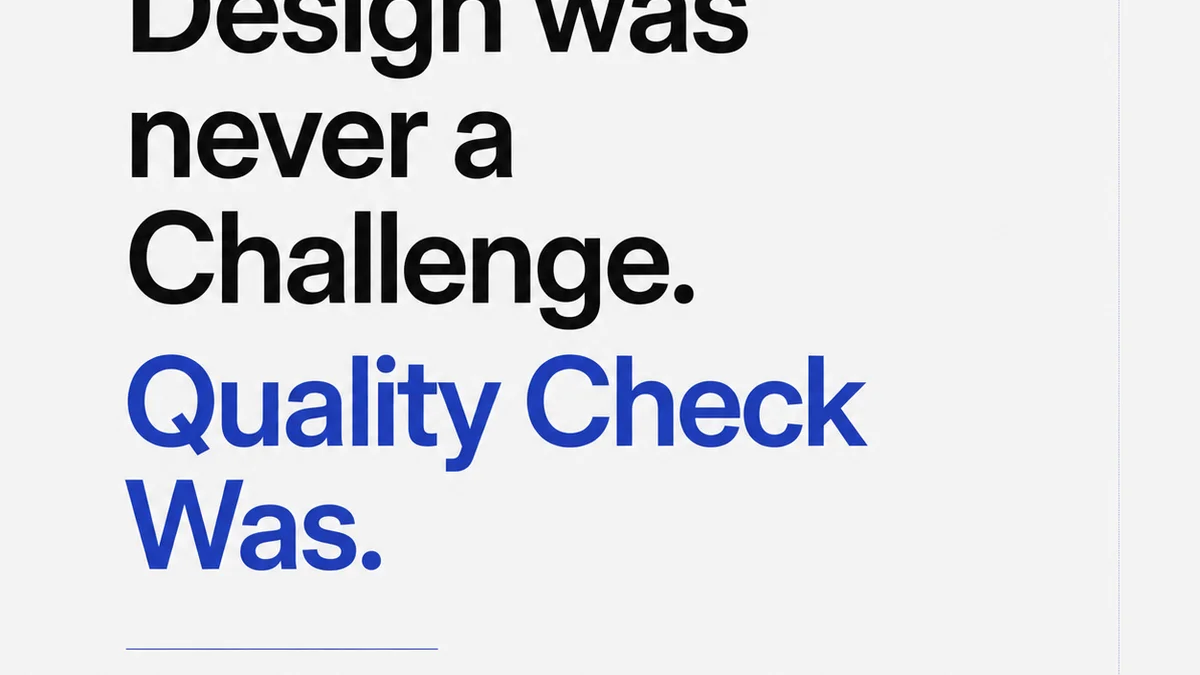
Everyone thinks reducing client revisions is about better design. More talented designers, clearer briefs, more creative thinking. And sure, those things help. But they don't get to the root cause for enterprise teams.
The hard truth? It’s not about the *creative* work. It’s about the *process* surrounding it. Specifically, how feedback is gathered, managed, and actioned.
1. The Illusion of 'One Source of Truth'
Enterprise teams often have multiple platforms for feedback. Email chains, Slack messages, shared docs, even scribbled notes. Each is a silo.
This creates confusion. Stakeholders think they’re giving feedback, but it’s lost in the noise.
The Symptom List
- Endless
Frequently asked questions
What are the biggest reasons for excessive client revisions in enterprise settings?
Enterprise teams often face excessive revisions due to fragmented feedback channels (email, chat, docs), unclear communication, lack of a central approval process, and insufficient stakeholder alignment early in the project. The creative output itself is rarely the sole problem.
How can centralized feedback platforms help reduce revisions?
Centralized platforms like Revue provide a single source of truth for all feedback. This ensures all comments are visible, trackable, and organized, preventing miscommunication and missed feedback that often leads to rework. It streamlines the approval process.
Is better briefing the key to fewer revisions?
A clear brief is crucial, but it's only one piece of the puzzle. Even with a perfect brief, poorly managed feedback and unclear approval processes will still lead to excessive revisions. Addressing the entire feedback loop is essential.
How can we ensure all stakeholders provide feedback effectively?
Establish clear roles and responsibilities for feedback. Define who needs to provide input at each stage and set deadlines. Use a system that allows for consolidated feedback, making it easy for stakeholders to see what others have said and for the team to track all input.