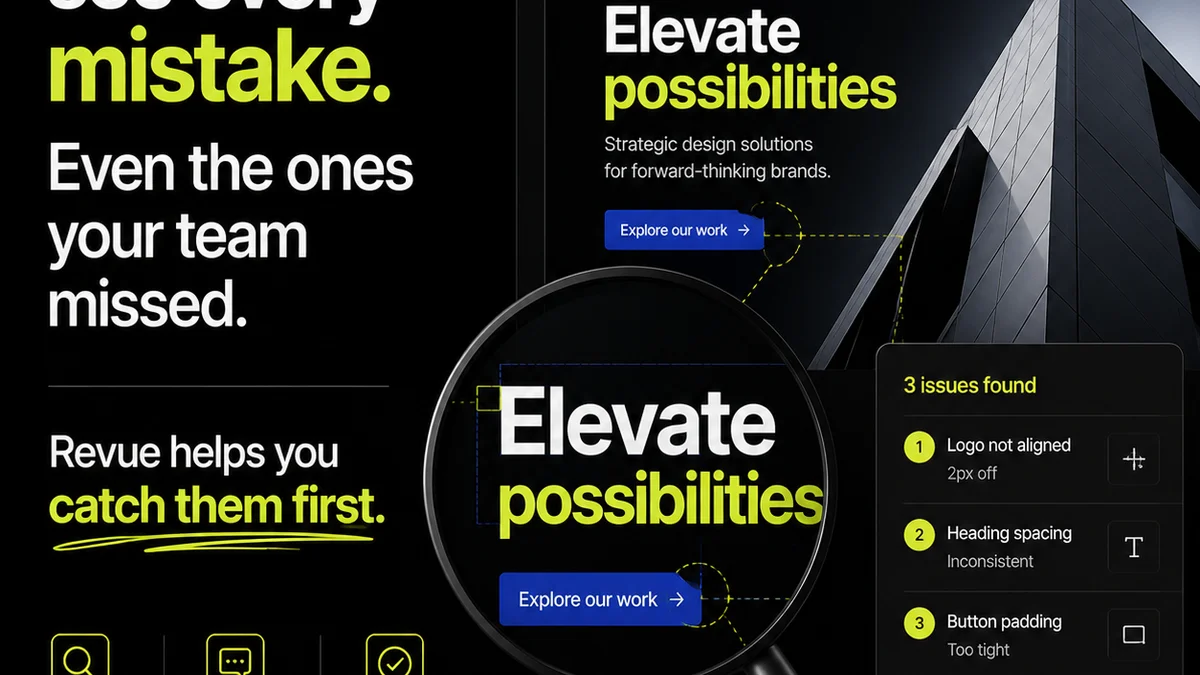
Everyone says client revisions are a necessary evil. That they’re a sign of collaboration, or just part of the creative process. None of that is wrong. But it’s incomplete.
The hard truth is that most client revisions aren’t about collaboration; they’re a symptom of broken communication and unclear processes. And that’s costing you time, money, and your team’s sanity.
This guide cuts through the noise. We’ll show you how to reduce client revisions by fixing the root causes, not just managing the symptoms.
1. Define Scope Like Your Business Depends On It
This is where most projects go off the rails. A vague scope is a blank check for endless revisions. You need to be brutally specific upfront.
Think about every deliverable, every revision round, and every potential pitfall. Document it. Get sign-off.
The Scope Creep Nightmare
Scope creep isn’t just about adding more work; it’s about adding work that wasn’t planned for, budgeted for, or scheduled for. It’s the enemy of profitability and team morale.
- Undefined deliverables
- Unclear success metrics
- Ambiguous feedback loops
- Lack of stakeholder alignment
- Assumptions about client knowledge
Each of these opens the door wide for revisions that spiral out of control.
Bulletproof Scope Statements
Your scope document should be your project’s constitution. It needs to cover:
- Project Goals: What are we trying to achieve?
- Deliverables: Exactly what will the client receive? Be granular.
- Key Stakeholders: Who has the final say?
- Process: How will feedback be gathered and actioned?
- Revision Rounds: How many are included? What constitutes a revision?
- Exclusions: What is explicitly NOT included?
This isn’t just busywork. This is your primary defense against scope creep and unnecessary client revisions.
2. Establish Crystal-Clear Feedback Channels
Clients often don’t know how to give feedback effectively. And agencies often don’t give them a clear, structured way to do it.
The result? Vague comments, conflicting opinions, and endless back-and-forth.
The Email Black Hole
Emails are terrible for feedback. They get lost, misinterpreted, and lack context. A client might reply-all to an old email thread with a new request, creating confusion.
This is a recipe for missed feedback and repeat revisions.
Structured Feedback is King
You need a system. A single source of truth for all feedback. This means:
- Centralized Platform: Use a tool designed for creative feedback.
- Clear Instructions: Tell clients exactly how and where to provide feedback.
- Defined Roles: Who is responsible for giving feedback? Who compiles it?
- Consolidated Feedback: Don’t act on individual emails. Aggregate feedback before presenting it.
When feedback is structured, it’s actionable. When it’s chaotic, it breeds revisions.
3. Set Expectations on Revision Rounds
This is fundamental. Clients expect unlimited revisions because many agencies implicitly allow it.
You need to define what a “revision round” actually means and how many are included.
What Is a Revision Round?
A revision round isn’t just tweaking a color. It’s a significant change based on constructive feedback within the agreed scope. It’s not an opportunity for a client to change their mind about the core concept.
Clearly define:
- The number of revision rounds included in the project fee.
- What constitutes a “round” (e.g., feedback on a specific deliverable, consolidated).
- The process for requesting revisions (e.g., via the feedback platform, within a set timeframe).
- The cost of additional rounds.
This might feel confrontational, but it’s professional. It respects your time and the client’s budget.
The
Frequently asked questions
What is the most common cause of excessive client revisions?
The most common cause is a lack of a clearly defined scope and an unstructured feedback process. When clients aren't sure what they're getting or how to give feedback, it leads to ambiguity and repeated changes.
How can I set client expectations about revision rounds?
Clearly define the number of revision rounds included in your contract and scope of work. Explain what constitutes a 'revision round' and outline the process for requesting them. Also, specify the cost for any additional rounds beyond what's included.
Is it possible to eliminate client revisions entirely?
While it's unlikely to eliminate revisions entirely, you can significantly reduce them. The goal is to minimize unnecessary or excessive revisions by implementing clear processes, proactive communication, and structured feedback mechanisms.
What are the benefits of using a dedicated feedback tool?
Dedicated tools centralize all feedback, provide visual context (e.g., annotations on designs), streamline communication, and create an audit trail. This reduces miscommunication, ensures all feedback is captured, and speeds up the review process, ultimately leading to fewer revisions.