Everyone talks about agency profitability. You hear about tracking billable hours, managing overhead, and optimizing resource allocation. None of that is wrong. But it’s incomplete.
The real cost drain isn’t usually in the big line items. It’s buried in the endless churn of revisions, the miscommunication that leads to wasted effort, and the opaque approval processes that stretch projects past their breaking point. These are the hidden costs that kill margins, frustrate teams, and ultimately, impact client satisfaction.
1. The Myth of "Just Get It Done"
The prevailing wisdom in many creative shops is simple: keep the work flowing. Get the client feedback, make the changes, get it approved. The faster, the better. This often leads to a focus on speed over precision.
But what happens when that speed is built on shaky foundations?
The Real Cost of Rework
Every hour spent on a revision that could have been avoided is money out the door. This isn't just about the designer's time. It's about:
- Project manager overhead for re-briefing and re-scheduling.
- Account manager time spent mediating or clarifying feedback.
- Quality assurance and proofreading cycles that have to be repeated.
- Potential delays to other projects when resources are pulled back.
- Client frustration leading to scope creep or demands for discounts.
This isn't about blaming clients. It's about understanding the operational friction that causes rework and finding ways to minimize it through clarity and control.
2. Measuring What Matters: Beyond Billable Hours
Billable hours are a vanity metric if they’re not tied to efficient output. You can bill 8 hours for a task that should have taken 4, and your profit margin might look good on paper, but you're leaving value on the table.
We need to measure the *quality* of the work process, not just the time spent on it.
Key Metrics for Cost Reduction
Focus on metrics that reveal inefficiencies and opportunities for savings:
- Revision Cycles per Project: How many rounds of feedback does a typical project go through? A high number signals communication breakdowns or unclear initial briefs.
- Time to Approval: How long does it take for feedback to be consolidated and for a final sign-off? Long delays often mean missed deadlines and increased holding costs.
- Rework as a Percentage of Project Cost: Track the actual hours spent on revisions versus the original scope. This is a direct measure of wasted effort.
- Feedback Clarity Score (Qualitative): While harder to quantify, you can train teams to rate feedback on a scale of 1-5 for clarity and actionability.
- Client Satisfaction Scores (Post-Project): Are clients happy with the process and the outcome? Dissatisfaction often correlates with high rework.
These metrics don't just identify problems; they provide a baseline for improvement.
3. The Bottlenecks That Bleed Your Budget
Every agency has them. Those points in the workflow where things slow to a crawl, costing time and money.
Often, these bottlenecks are invisible until you start measuring.
Common Culprits
- Disparate Communication Channels: Feedback scattered across emails, Slack, internal chats, and even verbal notes is a recipe for confusion and missed details.
- Ambiguous Briefs: If the initial brief isn't crystal clear, every subsequent step is a guess.
- Lack of Centralized Version Control: Which is the latest version? Who has the final say? Guessing leads to working on outdated assets.
- Delayed or Unconsolidated Feedback: When stakeholders don't provide feedback promptly, or when multiple, conflicting comments arrive late, the team is stuck.
- Manual Quality Assurance: Relying solely on a final eyeball check before delivery can miss critical errors that require expensive last-minute fixes.
Each of these issues adds friction, increases the likelihood of errors, and extends timelines, all of which inflate project costs.
4. Streamlining for Savings: Tactical Changes
Once you’ve identified your cost drains and the metrics that highlight them, you can implement targeted solutions.
This isn't about reinventing the wheel; it's about refining the gears.
Practical Adjustments
- Mandate a Single Source of Truth for Feedback: Designate one platform where all client feedback and internal comments must reside. This eliminates scattered information.
- Implement a Pre-Production Checklist: Ensure every brief is fully complete, signed off, and understood before any creative work begins.
- Establish Clear Revision Limits and Scope: Define upfront how many rounds of revision are included and what constitutes out-of-scope work. Communicate this clearly to the client.
- Use Visual Annotation Tools: Tools that allow direct markup on creative assets (images, videos, PDFs) drastically improve feedback clarity and reduce misinterpretation.
- Automate Parts of QA: For certain asset types, automated checks for file naming, resolution, or color profiles can catch common errors before human eyes even see the work.
- Regular Workflow Audits: Schedule brief, recurring check-ins to review project flow, identify emerging bottlenecks, and adjust processes.
These aren't revolutionary ideas. They are operational best practices that, when consistently applied, lead to tangible cost reductions.
Where Revue Fits In
Managing creative feedback and revisions is a core challenge for agencies. Without a structured approach, costs spiral.
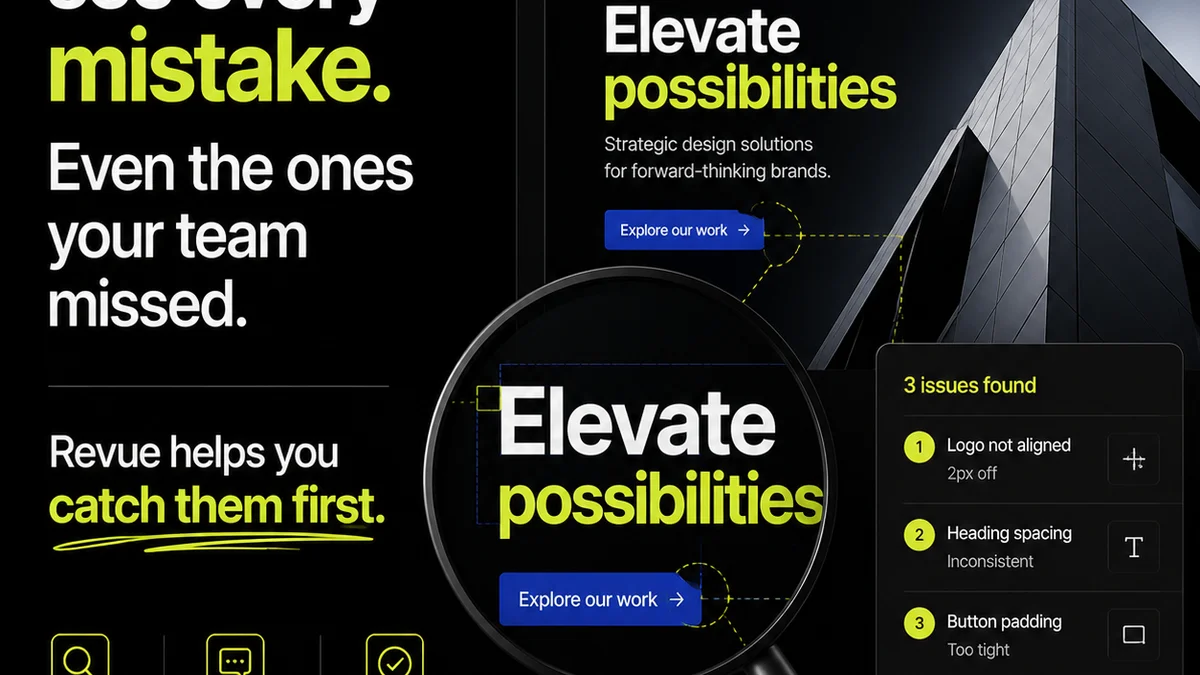
Revue is built to address this friction directly. It provides a centralized platform for all client feedback, allowing for direct annotation on creative assets. This means feedback is clear, contextual, and consolidated.
Project managers can easily track the history of revisions, see who has approved what, and identify any delays in the approval process. This visibility into the revision cycle is crucial for controlling project timelines and preventing costly rework.
By streamlining how feedback is given, managed, and acted upon, Revue helps agencies reduce the time and resources wasted on miscommunication and endless back-and-forth, directly impacting the bottom line.
Final Thought
Are you managing your creative process, or is it managing you? The difference often comes down to the metrics you track and the systems you put in place to support them. Focusing on operational efficiency, rather than just billable hours, is the real path to sustainable profitability.
Frequently asked questions
What are the hidden costs in creative agencies?
Hidden costs often stem from inefficient processes, such as excessive revision cycles, unclear client feedback, time spent searching for information across multiple channels, and last-minute fixes due to poor quality control. These add up significantly without appearing on standard financial reports.
How can I measure the effectiveness of my creative process?
Track metrics like the number of revision rounds per project, time to client approval, rework as a percentage of project cost, and feedback clarity. These provide insight into operational friction and potential cost drains.
Is focusing on speed the right way to reduce costs?
Speed alone can be deceptive. If speed comes at the expense of clarity and accuracy, it leads to more rework and higher overall costs. Focusing on efficient, clear processes that minimize errors is more effective for cost reduction.
How does centralized feedback help reduce costs?
Centralized feedback eliminates confusion caused by scattered communication. It ensures everyone is working from the same information, reduces the chance of missed instructions, and speeds up the approval process, all of which cut down on wasted time and resources.