Everyone talks about cutting costs by trimming staff or squeezing vendors. It’s the obvious lever. The one everyone pulls first.
None of that is wrong. But it’s incomplete. It’s like trying to fix a leaky roof by patching one shingle while ignoring the rotten beams underneath.
The real, sustainable cost savings in creative agencies and in-house teams don’t come from headcount reduction. They come from optimizing your publication workflow. From eliminating the hidden drains on time, resources, and morale.
The Hard Truth: Workflow Is Your Biggest Cost Center
Your workflow is where the magic happens. And it’s where the money leaks out. Every hour spent chasing down feedback, deciphering confusing notes, managing endless revisions, or doing rework is an hour that isn’t billable. Or productive. Or profitable.
Think about it. How much time does your team *really* spend creating? How much is spent managing the chaos around creation?
The truth is, a broken publication workflow is the single biggest, most expensive problem most creative teams face. It inflates project timelines, burns out your best people, and erodes client trust. And it's costing you far more than you realize.
1. The Revision Round Robin: A Time Sink
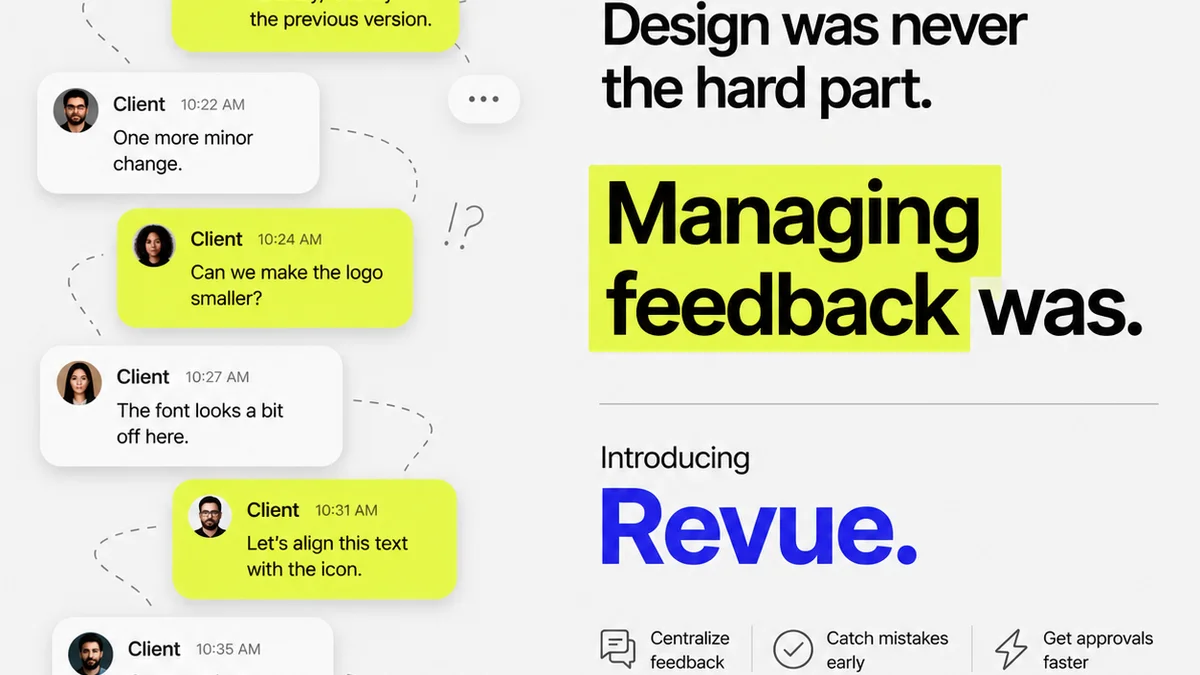
This is the classic. A client gives feedback. Your team makes changes. The client reviews. They have *more* feedback. Repeat. Infinitely.
This isn't just annoying. It's a direct hit to your bottom line.
Why it happens:
- Lack of clear initial brief.
- Ambiguous feedback.
- No defined number of revision rounds.
- No central place to track feedback.
- No clear approval process.
Each cycle adds hours. Hours of designer time, project management time, and client management time. These hours add up, often without being fully accounted for in the project budget. You end up doing more work for the same price, or worse, going over budget and eating the cost.
The Fix: Structured Feedback Loops
You need a system. Not just a process document that lives in a forgotten folder.
- Mandate a detailed creative brief. Get sign-off on it.
- Establish clear revision limits. Communicate these upfront.
- Centralize all feedback. No more email chains or Slack messages lost in the ether.
- Use annotation tools. Pinpoint exactly what needs changing.
- Define clear approval stages. What constitutes a final approval?
When feedback is clear, centralized, and actionable, you slash the time spent on back-and-forth. Projects move forward, not in circles.
2. The Approval Black Hole
Feedback is one thing. Actual, official approval is another. Too often, there's no clear line.
Did that email *really* mean approval, or just a thumbs-up on the direction? Was that Slack message the final word, or just a suggestion?
This ambiguity is a breeding ground for costly mistakes and scope creep.
Symptoms of an Approval Black Hole:
- Projects stalled waiting for a sign-off that never comes.
- Work being done based on informal
Frequently asked questions
What is a publication workflow?
A publication workflow is the series of steps and processes involved in taking creative assets from concept to final delivery and publication. This includes brief, creation, feedback, revisions, approvals, and final output.
How can better workflow reduce costs?
By minimizing wasted time on non-productive tasks like chasing feedback, managing revisions, and correcting errors. This leads to shorter project timelines, reduced resource drain, and improved profitability.
What are the most common workflow inefficiencies in creative teams?
Common inefficiencies include unclear briefs, scattered feedback, ambiguous approvals, excessive revision rounds, lack of version control, and manual quality checks.
How does centralized feedback help?
Centralized feedback ensures all comments are in one place, preventing loss, misinterpretation, or duplication. It provides a clear audit trail and makes it easier to track progress and manage revisions efficiently.