Everyone knows creative compliance is important. You need to make sure ads, social posts, and websites follow brand guidelines, legal requirements, and platform specs. It’s about avoiding fines, lawsuits, and brand damage.
None of that is wrong. But it’s incomplete.
The deeper truth? Creative compliance isn't just a cost center to be managed. It's a powerful lever for reducing costs and boosting profitability across your entire agency or creative department.
Most teams treat compliance as an afterthought, a final review step before launch. They scramble to check boxes when deadlines loom. This reactive approach is inefficient, expensive, and frankly, a huge missed opportunity.
What if you reframed compliance not as a gatekeeper, but as a proactive strategy? A way to build efficiency, prevent costly rework, and ensure every creative asset hits its mark—the first time.
Let’s unpack how to turn your compliance process from a budget drain into a profit driver.
1. The True Cost of Non-Compliance
When we talk about compliance costs, most people think of the fines. A misplaced logo, a banned chemical in a product shot, a misleading claim. Those are real, and they can be devastating.
But the *real* costs are often hidden deeper in your workflow. They’re the silent profit killers that add up project after project.
The Hidden Expenses
- Rework and Redo Fees: This is the big one. A client rejects an asset because it missed a brand guideline or a legal disclaimer. You have to pull it back, fix it, and resubmit. Who absorbs that cost? Often, it’s your agency, eating into your margins.
- Extended Timelines: Every revision cycle adds days, sometimes weeks, to a project. This delays client payments, impacts your team's capacity, and can strain client relationships.
- Wasted Production Spend: Imagine shooting a TV spot or producing a batch of social assets, only to find out late in the game that a key product detail was incorrect or a competitor’s logo was accidentally included. That entire production budget is jeopardized.
- Opportunity Cost: Time spent firefighting compliance issues is time not spent on new business, strategic client work, or team development. It’s a drain on your most valuable resource: your people’s attention.
- Damaged Reputation: Repeated compliance failures erode client trust. They see you as unreliable, unprofessional, and a potential liability. This makes winning new business harder and retaining existing clients a constant struggle.
These aren't abstract problems. They are the day-to-day realities in agencies and in-house teams that haven't mastered creative compliance.
2. Shifting from Reactive Checks to Proactive Integration
The biggest mistake is treating compliance as a final QA step. It’s like building a house and only checking the foundation after the roof is on.
Compliance needs to be baked into the process from the very beginning.
Embedding Compliance Early
- Briefing is Key: Does your creative brief clearly outline all relevant compliance requirements? This includes legal disclaimers, brand usage rules, accessibility standards, and platform-specific constraints. If it’s not in the brief, it’s likely to be missed.
- Concepting with Constraints: Creative teams should be aware of compliance guardrails *during* the ideation phase. Not to stifle creativity, but to guide it. Knowing the rules upfront prevents concepts that are doomed to fail later.
- Style Guides as Living Documents: Your brand and legal style guides shouldn't be dusty PDFs. They need to be accessible, searchable, and ideally, integrated into the tools your team uses daily.
- Dedicated Compliance Roles (Even Part-Time): For larger organizations, having a dedicated compliance specialist or a legal reviewer involved early can prevent major headaches. For smaller teams, assign clear ownership and train key personnel.
This shift requires a change in mindset. It's about empowering your team with the information they need to be compliant by design, rather than relying on a final gatekeeper to catch errors.
3. Leveraging Technology for Scalable Compliance
Manual compliance checks are a bottleneck. They’re slow, prone to human error, and don’t scale with volume.
This is where smart technology becomes indispensable.
Tools of the Trade
- Centralized Asset Management: A DAM system ensures that only approved, up-to-date brand assets are used. No more hunting for the right logo or outdated campaign visuals.
- Automated Spec Checks: Many platforms and tools can automatically verify image dimensions, file formats, character counts, and other technical specifications.
- Compliance Rule Engines: Advanced systems can flag content that violates predefined rules—like using forbidden keywords, missing required disclaimers, or deviating from brand colors.
- Version Control & Audit Trails: Knowing exactly who approved what, when, and why is crucial for accountability and for tracing the source of any compliance issues that *do* slip through.
Relying solely on email chains and spreadsheets for feedback and approvals is a recipe for disaster. It’s impossible to maintain consistent compliance across dozens or hundreds of assets when the process is fragmented.
4. Building a Culture of Compliance Ownership
Technology and process are vital, but they’re only as good as the people using them.
You need to foster a culture where everyone understands their role in maintaining compliance.
Cultivating Ownership
- Training, Training, Training: Regularly train your creative, production, and account teams on brand guidelines, legal requirements, and the tools you use for compliance. Make it engaging, not just a dry lecture.
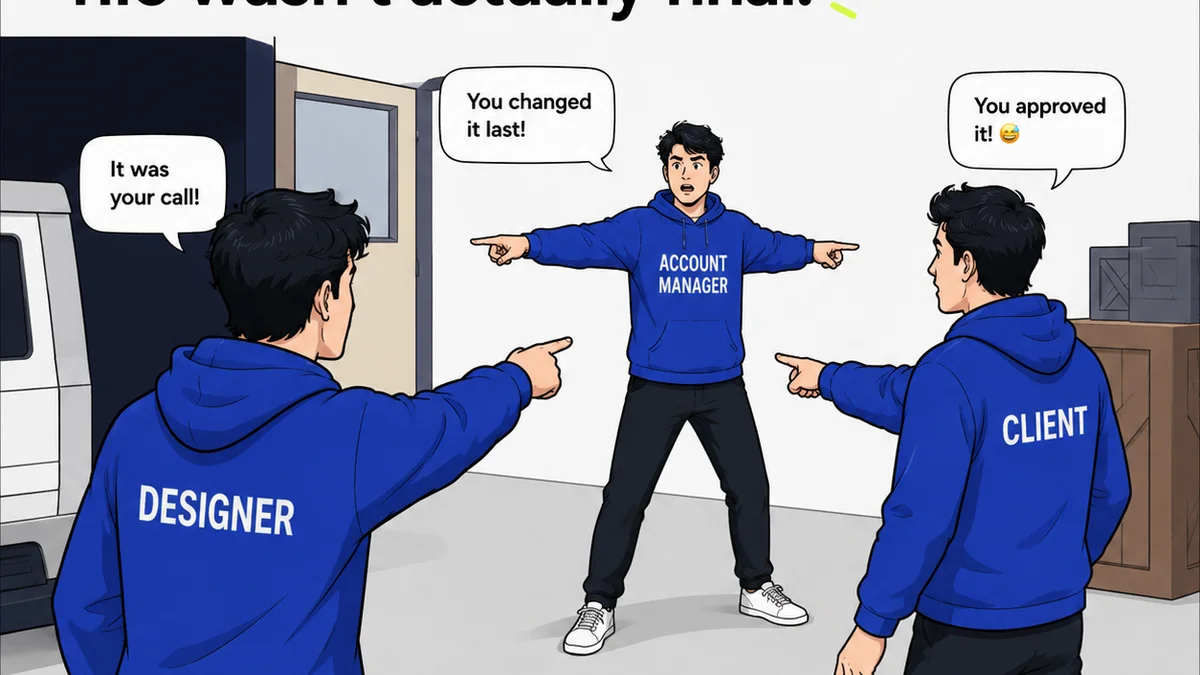
- Clear Accountability: Define who is responsible for what at each stage of the workflow. Is it the designer for adhering to brand specs? The copywriter for disclaimer accuracy? The account manager for client-side approvals?
- Feedback Loops: Establish clear channels for reporting compliance concerns without fear of reprisal. Encourage team members to flag potential issues early.
- Celebrate Successes: Recognize and reward teams or individuals who demonstrate exceptional attention to compliance, especially when it prevents costly mistakes.
When compliance is seen as a shared responsibility, not just a legal department’s problem, you create a more robust and efficient system.
Where Revue Fits In
Managing creative feedback, revisions, and approvals is where compliance often breaks down. It’s a chaotic, multi-channel mess.
Revue provides the centralized platform needed to bring order to this chaos.
- Centralized Feedback: All client and internal feedback lives in one place, attached directly to the creative asset. No more hunting through email threads or Slack messages to find that one crucial comment about a disclaimer.
- Clear Revision History: Track every change, every approval, and every rejection. This creates an invaluable audit trail, showing exactly how an asset evolved and who signed off at each stage.
- Version Control: Ensure everyone is working on and reviewing the latest approved version of an asset. This prevents outdated versions from being mistakenly approved or sent to production.
- Streamlined Approvals: Define clear approval workflows. Get stakeholders to sign off efficiently, reducing the time and cost associated with endless back-and-forth.
- Quality Assurance Tools: Use Revue’s features to build in specific compliance checkpoints before final delivery, catching errors before they become expensive problems.
By centralizing and structuring your review and approval process, Revue helps you proactively manage compliance, reduce rework, and accelerate project timelines—all contributing directly to cost savings and improved profitability.
Final Thought
Is your team treating creative compliance as a necessary evil, a burden to be endured? Or are you seeing it for what it truly is: a strategic advantage that protects your bottom line and enhances your agency’s reputation?
The shift from reactive damage control to proactive integration is where the real savings lie. It’s time to stop paying for mistakes and start building compliance into the DNA of your creative operations.
Frequently asked questions
What are the hidden costs of poor creative compliance?
Beyond fines and legal fees, poor compliance leads to costly rework, extended project timelines, wasted production budgets, and damage to your agency's reputation, all of which erode profitability.
How can I make creative compliance proactive instead of reactive?
Integrate compliance from the start. Ensure it's clearly defined in creative briefs, considered during concepting, and that style guides are accessible. Train your team to be aware of constraints early on.
What role does technology play in creative compliance?
Technology like Digital Asset Management (DAM) systems, automated spec checkers, and compliance rule engines can automate checks, ensure correct asset usage, and provide audit trails, making compliance scalable and less prone to human error.
How does a centralized feedback tool like Revue help with compliance?
Revue centralizes all feedback and approvals, creating clear audit trails and version control. This structured process reduces miscommunication, ensures all requirements are met before final sign-off, and prevents costly errors.