Everyone agrees digital asset management (DAM) is about organization. Keeping your logos, images, and videos in one place. Easy to find. Easy to share.
None of that is wrong. But it’s incomplete.
The real cost of poor DAM isn’t just wasted time searching. It’s lost revenue, duplicated effort, brand dilution, and missed opportunities. It’s a slow, steady leak in your agency’s profitability.
1. The Hidden Price of Chaos
Think about your current process. Where do assets live? Scattered across shared drives? Buried in email threads? Flooded in Slack channels?
This isn't just messy. It's expensive.
Wasted Hours, Real Dollars
Every minute a designer, account manager, or even an executive spends hunting for a file is a minute they're not billing a client or strategizing. Multiply that by your team size and hourly rates. The number gets ugly fast.
It’s not just about finding the *right* version, either. It’s about finding the *approved* version.
Duplicated Effort and Redundant Purchases
How many times has someone on your team re-created an asset because they couldn’t find the original or the latest approved version?
Or worse, purchased a stock photo that already existed in your library, just waiting to be rediscovered?
These aren't minor blips. They're direct drains on your project budgets and overall profitability.
Brand Inconsistency Kills Trust
Using outdated logos, incorrect brand colors, or off-brand imagery isn't just a visual mistake. It erodes client confidence.
If your agency can't manage its own brand assets properly, how can clients trust you with theirs?
This directly impacts your reputation and, over time, your ability to win and retain business.
2. Beyond the Folder Structure: Strategic DAM
A true DAM system is more than just a fancy folder. It’s a strategic hub designed to streamline workflows and maximize asset value.
Metadata is Your Moneyball
The real power of DAM lies in intelligent tagging and metadata. Think beyond filenames. Tag assets with:
- Project names and client codes
- Usage rights and expiration dates
- Campaign associations
- Keywords relevant to content and style
- Technical specs (resolution, format)
When assets are properly tagged, search becomes lightning fast. Anyone can find what they need, when they need it, without asking for help.
Version Control That Actually Works
Forget `logo_final_really_final_v3.ai`. A DAM system tracks every iteration, clearly marking the approved version.
This eliminates confusion and ensures everyone is working with the definitive asset, preventing costly mistakes and rework.
Controlled Access and Permissions
Not everyone needs access to everything. A robust DAM allows you to set granular permissions.
This protects your valuable intellectual property and ensures sensitive or client-specific assets are only seen by authorized personnel.
Streamlined Sharing and Distribution
Sending large files via email or clunky file transfer services is inefficient and risky. A DAM facilitates easy, secure sharing, both internally and externally.
Generate shareable links, embed assets directly into presentations, or integrate with other tools your team uses.
3. Measuring the ROI: Tangible Cost Reductions
Let’s talk numbers. How does better DAM translate into real savings?
Reduced Production Costs
By minimizing asset search time and eliminating redundant creation or purchasing, you directly reduce the hours spent on non-billable tasks.
This frees up your creative team to focus on high-value work, increasing overall team productivity and profitability.
Lowered Risk of Brand Infringement
Accurate tracking of usage rights and licenses prevents costly legal issues and fines associated with using assets improperly or beyond their expiration.
This is particularly crucial for agencies working with a high volume of stock imagery or licensed content.
Faster Project Turnaround Times
When assets are readily available and approved versions are clear, projects move faster. Less time waiting for assets means quicker revisions and approvals.
This improved efficiency can lead to faster project completion, allowing you to take on more work or deliver value to clients more rapidly.
Enhanced Client Satisfaction
A consistent, professional presentation of brand assets reflects positively on your agency and your clients' brands.
When you can quickly access and deploy approved, on-brand materials, you demonstrate a level of organization and professionalism that clients value.
4. Where Revue Fits In
While a dedicated DAM handles the core asset library, managing the *feedback and approval* process around those assets is equally critical for cost control.
This is where Revue excels. It acts as the intelligent layer on top of your asset library, ensuring that the *right* assets get approved efficiently and correctly.
Centralized Feedback on All Creative
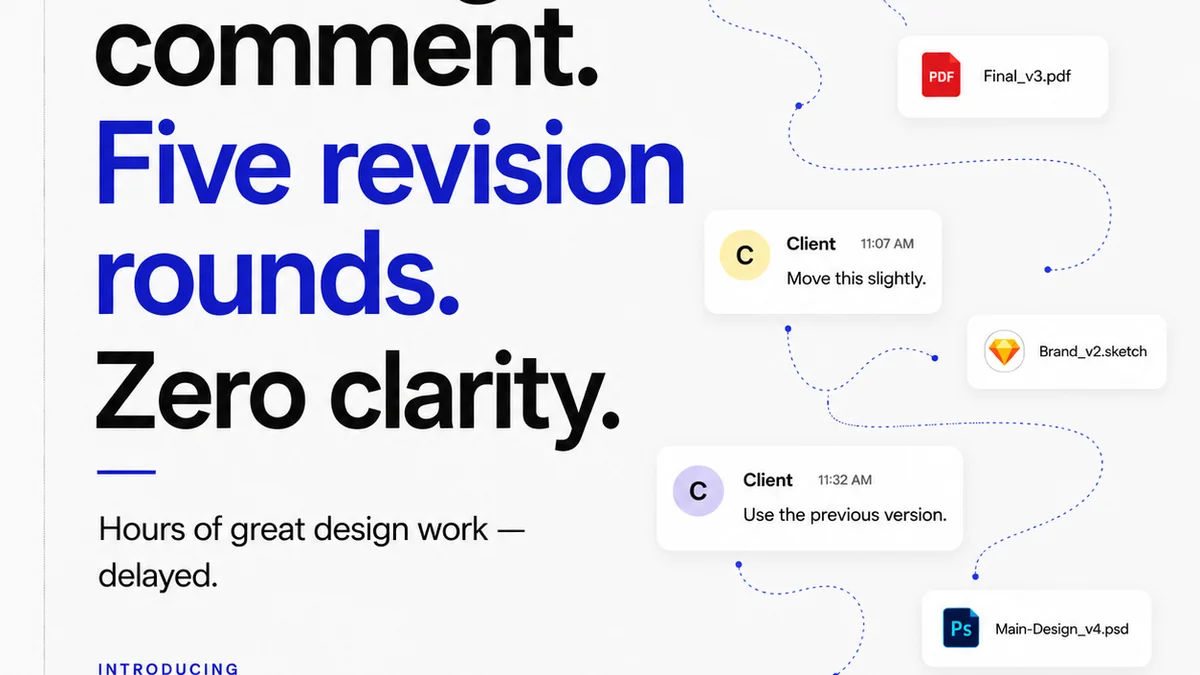
Instead of assets and feedback being scattered across emails, Slack, and random documents, Revue centralizes all creative work and stakeholder comments in one place.
This provides a single source of truth for every revision, preventing miscommunication and the costly delays that come with it.
Clear Revision and Approval Visibility
Revue offers a transparent audit trail of every comment, revision, and approval. You can see exactly who said what, when, and what the final decision was.
This clarity eliminates ambiguity and reduces the chances of someone approving an asset based on outdated feedback or a misunderstanding.
Streamlined Quality Checks
Before an asset goes live or is delivered to a client, it needs a final quality check. Revue helps ensure this happens systematically.
By having all previous feedback and approvals logged, your QA team can easily verify that all requirements have been met, catching errors before they become expensive problems.
Revue ensures that the assets you manage are not just organized, but correctly reviewed and approved, directly impacting project timelines and budgets.
5. Final Thought
Is your agency treating digital assets as mere files, or as strategic investments?
The difference in how you manage them – from initial creation to final approval – dictates not just your operational efficiency, but your ultimate profitability.
Frequently asked questions
What are the biggest hidden costs of poor digital asset management?
The biggest hidden costs include wasted employee time searching for files, duplicated effort in recreating assets, redundant purchases of stock media, and brand inconsistency that erodes client trust and damages reputation.
How does metadata help reduce DAM costs?
Properly tagged metadata makes assets easily searchable, drastically reducing the time employees spend looking for files. It also helps in identifying the correct, approved versions, preventing rework and ensuring assets are used according to rights and licenses.
Can a DAM system really improve project turnaround times?
Yes. By ensuring easy access to approved assets and streamlining the sharing process, a DAM system eliminates bottlenecks. This allows creative teams to work more efficiently, leading to faster project completion and quicker client delivery.
How does Revue complement a Digital Asset Management system?
Revue complements DAM by managing the crucial feedback and approval workflow around creative assets. It centralizes comments, provides clear revision history, and ensures quality checks are systematically performed, preventing costly errors that can occur even with well-organized assets.