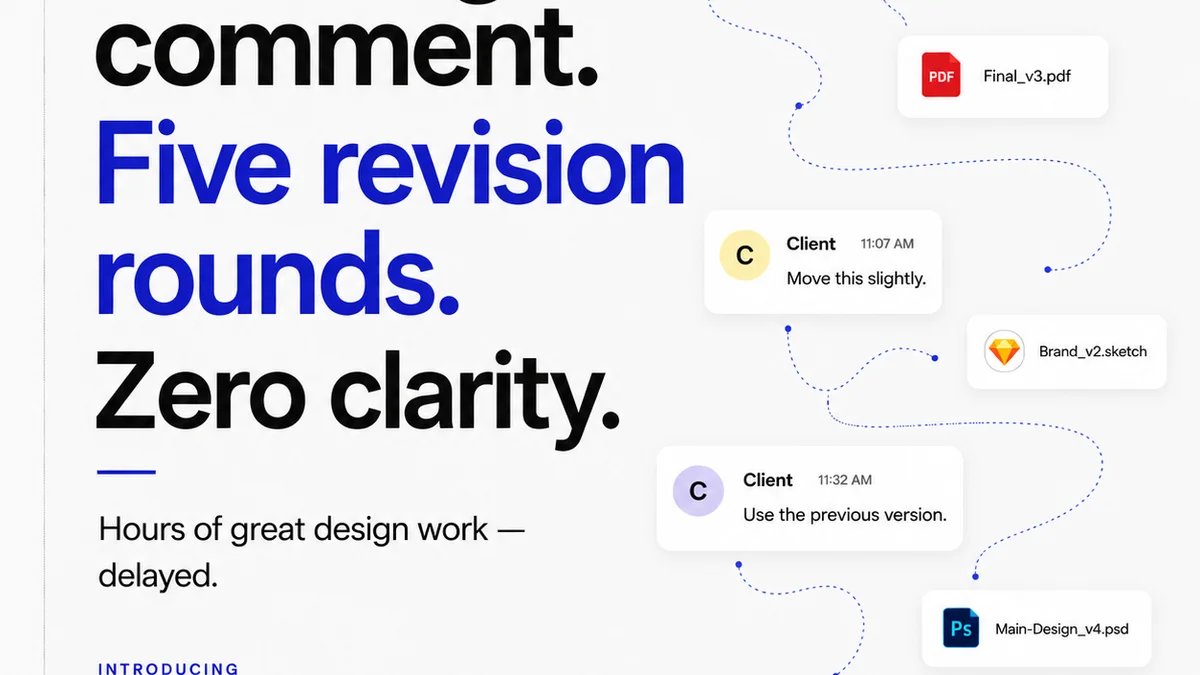
Everyone talks about the creative process. They point to brainstorming sessions, mood boards, and endless revisions. For creative agencies working with retail clients, this picture is incomplete. It’s missing the operational grit.
The hard truth? A successful retail creative process isn't about *magic*. It's about ruthless clarity, built on a foundation of operational excellence. It’s about turning ideas into profitable campaigns, consistently.
1. Deconstructing the Retail Brief: Beyond the Surface
The client says they want a campaign that feels “fresh” and “engaging.” That’s where most agencies stop. They nod, they sketch, they present.
But a truly effective retail brief demands more. It requires interrogation. What does “fresh” mean to *this* brand, in *this* market, right now? What specific business objective does “engaging” serve? Increased foot traffic? Online conversion? Brand recall?
Understanding the 'Why'
Before a single pixel is designed or a word is written, you need to understand the client’s business goals. This means asking tough questions:
- What are the key performance indicators (KPIs) for this campaign?
- Who is the precise target audience, and what are their current buying habits?
- What is the competitive landscape, and how are competitors positioning themselves?
- What is the budget, and what are the hard constraints (e.g., production timelines, legal approvals)?
- What is the desired customer journey, from awareness to purchase?
Digging into these details early prevents costly missteps later. It anchors your creative work to tangible business outcomes.
2. Building the Creative Framework: From Concept to Campaign
Many agencies treat creative development as a linear path. Idea, execution, delivery. This often leads to silos and missed opportunities.
A robust framework acknowledges that creativity is iterative, but also requires structure. It’s about building flexibility into a predictable system.
Iterative Development, Not Infinite Loops
The goal isn't endless brainstorming. It's focused iteration. This means defining clear stages with defined deliverables and decision points.
- Concepting: Explore multiple directions, but establish criteria for selection early.
- Development: Flesh out chosen concepts with more detail, anticipating potential execution challenges.
- Refinement: Polish the selected direction, ensuring all elements align with the brief and business goals.
- Production: Prepare final assets, with clear handoffs and quality control at each step.
Each stage should have clear objectives and a defined output. This prevents creative teams from endlessly chasing a moving target.
The Role of Data in Creative
Retail is data-rich. Your creative process should leverage this. Understanding customer demographics, past campaign performance, and market trends isn't just for the strategy team.
It informs creative decisions. What visual styles resonate? What messaging drives action? What channels are most effective?
Treating data as a co-pilot for creativity, rather than an afterthought, elevates your work. It moves from subjective taste to informed strategy.
3. The Feedback Loop: Navigating Client Collaboration
Client feedback is often seen as a necessary evil. A hurdle to jump over.
The reality for retail agencies is that feedback is a critical component of the *process*. It’s not just about approvals; it’s about co-creation and alignment.
Structured Feedback, Not Emotional Reactions
Unstructured feedback is the enemy of efficiency. “I don’t like it” is useless. You need feedback that is specific, actionable, and tied back to the brief.
This requires guiding the client. Establish clear feedback windows. Define who provides feedback. Ask for comments based on the agreed-upon objectives.
- Is this concept on-brief?
- Does this asset meet the defined KPIs?
- Are there any elements that hinder clarity or call to action?
- Are there specific, actionable suggestions for improvement?
When feedback is structured, it becomes a tool for refinement, not a source of frustration.
Managing Revisions Effectively
Revisions are inevitable. Scope creep is not. A defined process for revisions is essential.
This means understanding the difference between constructive feedback and scope creep. It means having clear sign-offs at key stages.
When a client asks for a significant departure from the agreed-upon direction, it’s time to discuss scope, timeline, and budget adjustments. This isn’t being difficult; it’s being professional.
4. Quality Assurance: The Unsung Hero of Retail Campaigns
A brilliant campaign can fail if the execution is flawed. Typos, broken links, incorrect pricing, or off-brand imagery can tank performance.
For retail, where campaigns often have tight launch windows and direct sales impact, QA is not optional. It’s a critical gate.
The Multi-Point Check
Quality assurance should be baked into every stage, not just a final check. But a dedicated QA phase is crucial before launch.
This involves:
- Accuracy Checks: Verifying all copy, pricing, product details, and legal disclaimers.
- Technical Checks: Testing links, forms, and functionality across devices and browsers.
- Brand Consistency: Ensuring all visual elements and messaging align with brand guidelines.
- Channel-Specific Optimization: Confirming assets are correctly formatted and optimized for each platform (e.g., social media, email, web banners, print).
A thorough QA process protects the client’s investment and your agency’s reputation.
Where Revue Fits In
Managing the complexities of creative feedback, revisions, and quality assurance for multiple retail clients can quickly become chaotic. This is where a centralized platform like Revue becomes indispensable.
Revue provides a single source of truth for all creative assets and client communications. Instead of sifting through endless email threads or disparate chat messages, you have a clear, organized overview.
- Centralized Feedback: Clients can leave contextual comments directly on assets, eliminating ambiguity and ensuring all feedback is captured in one place.
- Revision Tracking: See the history of changes, understand what was revised and why, and maintain clear visibility into the approval process.
- Quality Control: Implement structured review workflows and checklists to ensure every asset goes through a rigorous QA process before final delivery.
By streamlining these critical operational aspects, Revue frees up your team to focus on what they do best: creating effective, impactful creative for your retail clients.
Final Thought
The retail landscape is unforgiving. Success isn’t built on fleeting trends or last-minute inspiration. It’s built on process. A process that is clear, repeatable, and rigorously managed.
Are you building a creative agency, or just a collection of talented individuals chasing the next big idea?
Frequently asked questions
What's the biggest mistake agencies make with retail creative processes?
Many agencies focus too much on the creative output itself and not enough on the underlying operational structure. This leads to chaotic feedback, scope creep, and missed deadlines, ultimately impacting the campaign's effectiveness and client satisfaction.
How can I make client feedback more productive for retail campaigns?
Structure is key. Define clear feedback windows, specify who provides feedback, and always tie comments back to the original brief and business objectives. Ask for specific, actionable suggestions rather than vague opinions.
Why is quality assurance (QA) so critical in retail creative workflows?
In retail, campaigns often have direct sales impact and tight launch windows. Flaws like incorrect pricing, broken links, or off-brand visuals can immediately undermine campaign performance and damage brand trust. Rigorous QA protects both the client's investment and your agency's reputation.
How does a tool like Revue help with the retail creative process?
Revue centralizes feedback, streamlines revision tracking, and helps implement structured quality assurance workflows. This reduces miscommunication, prevents scope creep, and ensures a more efficient and effective creative delivery process for retail clients.