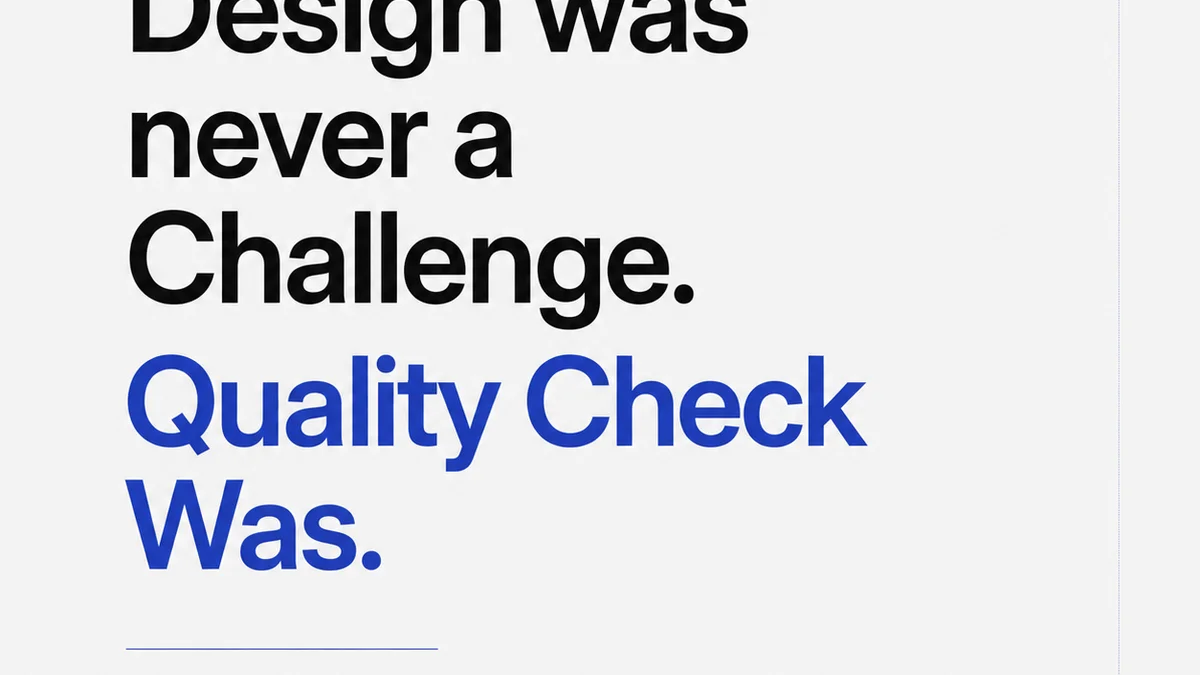
Everyone talks about automation. They say it’s about efficiency. About saving time. About streamlining workflows. And yes, that’s all true.
But for creative teams, especially agencies, the real promise of automation isn't just speed. It's about reclaiming your team's creative energy.
It’s about moving beyond the endless email chains and scattered feedback. It’s about getting to the good work, faster.
The Hard Truth: Automation Isn't Magic, It's Discipline
Many teams think they want automation. They envision a magic button that solves all their problems. That’s a fantasy.
Real automation, especially for something as nuanced as creative review, isn’t a plug-and-play solution. It’s the result of a disciplined, well-defined process.
You can’t automate a mess.
You have to build a clean, predictable workflow first. Then, you layer automation on top to amplify its effectiveness.
This isn't about replacing human judgment. It's about freeing up that judgment from the noise.
1. Defining Your Review Gates
Before you can automate anything, you need to know what you’re automating. This means mapping out your entire review and approval process.
Think of it like building a toll road. You need clear entry and exit points. You need to know what kind of vehicle is allowed, and what checks need to happen at each gate.
Identify Key Stages
What are the distinct phases your creative work goes through from concept to final delivery?
- Internal Creative Review
- Client First Pass
- Internal QA/Legal Review
- Client Final Approval
- Archival/Hand-off
These are just examples. Your stages will be unique to your agency. The critical part is that they are clearly defined and understood by everyone involved.
Establish Clear Criteria for Each Stage
What does success look like at each gate? What needs to be true for the work to move forward?
This is where many agencies falter. Feedback is often vague. Approvals are conditional. This ambiguity is the enemy of automation.
- Concept: Does it meet the brief? Is the core idea sound?
- First Draft: Is the messaging clear? Are the visuals on-brand? Is the technical spec met?
- Final: Are all previous comments addressed? Are there any new, unapproved deviations? Is it technically ready for deployment?
Be specific. Quantify where possible. This clarity is the foundation for any automated checks or notifications.
2. The Power of Standardized Briefs
You can’t assess work fairly if the initial brief is a moving target. This is the first point where automation can be severely hampered.
A weak brief leads to subjective feedback, which leads to endless revisions. It’s a vicious cycle.
What Makes a Brief
Frequently asked questions
What is review automation?
Review automation involves using tools and defined processes to streamline the collection, organization, and actioning of feedback on creative work, reducing manual effort and speeding up approvals.
Can automation replace human feedback?
No, automation is designed to support and enhance human judgment, not replace it. It handles the repetitive tasks, allowing teams to focus on the strategic and creative aspects of feedback.
What are the benefits of automating creative reviews?
Key benefits include faster turnaround times, reduced errors, improved client satisfaction through clearer communication, better project visibility, and freeing up creative teams to focus on high-value work.
How do I start implementing review automation?
Begin by mapping your current review process, defining clear criteria for each stage, standardizing your briefs, and then introducing tools that can automate notifications, version tracking, and feedback consolidation.