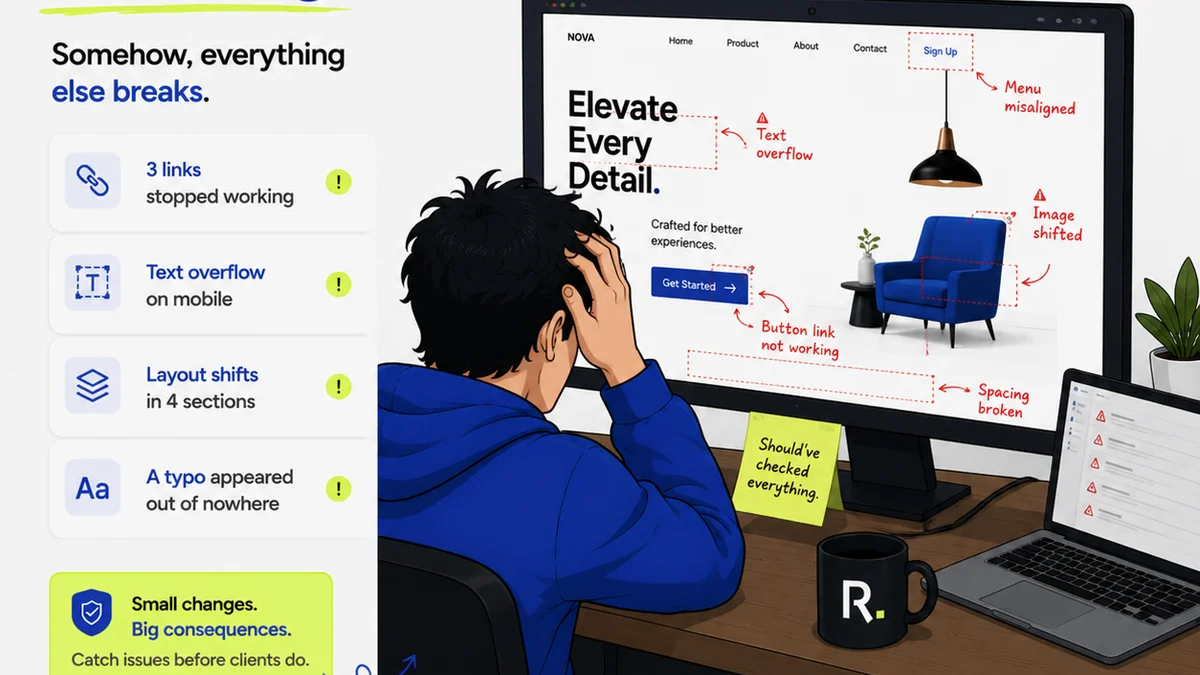
Everyone talks about automating creative reviews. They point to faster turnaround times, fewer emails, and happier clients. None of that is wrong. But it’s incomplete.
The real question isn't *if* automation is happening, but *what* it's actually achieving for your agency’s bottom line and operational health. Are you just shifting bottlenecks, or are you genuinely improving throughput and profitability?
Let’s cut through the noise. Here are the KPIs that truly indicate whether your review automation efforts are paying off.
1. Revision Cycle Time Per Project
This is the bedrock metric. How long does it take, from initial brief to final sign-off, for a project to move through its review and revision stages?
Many agencies track total project time, but that’s too broad. You need to isolate the review phase. This means measuring the time between when a creative asset is submitted for review and when it receives final approval.
What to Measure
- Time to First Feedback: How quickly does the client or stakeholder provide initial comments?
- Time Between Feedback Rounds: How long does it take for revisions to be made and resubmitted?
- Time to Final Approval: How long does it take from the last round of feedback to final sign-off?
Automation should demonstrably shorten these intervals. If it’s not, you’re likely still dealing with manual handoffs, missed notifications, or unclear feedback loops.
2. Feedback Volume and Quality Score
Automation shouldn’t just speed things up; it should make feedback more actionable and less chaotic. Are you drowning in endless, vague comments, or are you getting focused, constructive input?
This KPI tracks the *quantity* and *quality* of feedback received per project or per asset. It’s a crucial indicator of whether your process is streamlining communication or amplifying noise.
What to Measure
- Number of Feedback Comments Per Round: A sudden spike might indicate confusion or lack of clear direction.
- Number of Revision Rounds: Excessive rounds suggest fundamental issues with initial briefs or feedback clarity.
- Comment Specificity: This is harder to quantify but essential. Use qualitative analysis or a simple scoring system. Does the feedback clearly state what needs to change and why?
- Actionable vs. Non-Actionable Comments: Categorize comments. Automation should help filter out subjective or unhelpful input.
If your automation is working, you should see a trend towards fewer, more specific, and more actionable comments. Clients should be able to provide precise feedback within the tool, reducing back-and-forth.
3. Approval Rate and Rejection Rate
This is a direct measure of client satisfaction and creative alignment. Are projects getting approved smoothly, or are they hitting roadblocks late in the process?
A high approval rate on the first or second round, with minimal rejections, signifies that your internal creative process and client communication are strong. Automation should amplify this.
What to Measure
- First-Round Approval Rate: The ultimate goal. How often does the initial submission get signed off?
- Overall Approval Rate: Percentage of projects that reach final sign-off.
- Rejection Rate: Percentage of projects sent back for significant rework after initial submission or during later rounds.
If your automation is effective, you’ll see an increase in first-round approvals and a decrease in overall rejections. This means less wasted effort for your creative team and happier clients.
4. Scope Creep Incidents
This is where operational efficiency meets financial health. Scope creep kills profitability. Review automation, when implemented correctly, should be a powerful tool to prevent it.
Track how often projects deviate from the original brief *during the review and approval process*. This often happens when feedback is unstructured or when new requests are buried in email chains.
What to Measure
- Number of Unscoped Requests Identified: Flag requests that fall outside the original SOW during review.
- Time to Identify Scope Creep: How quickly are these deviations caught? Automation should surface them early.
- Cost of Addressing Scope Creep: If possible, track the additional hours or costs incurred due to unmanaged scope changes.
A good review automation system provides a clear audit trail. This makes it easy to identify when a request is outside the agreed scope, allowing you to address it proactively rather than absorbing the cost.
5. Internal Team Efficiency (Time Saved on Admin)
While client-facing metrics are critical, don't forget your own team. How much time are your project managers, account managers, and creative leads *actually saving* by not chasing feedback, consolidating comments, or manually tracking versions?
This KPI focuses on the internal burden lifted by automation. It’s about freeing up your valuable human resources for creative work, not administrative drudgery.
What to Measure
- Time Spent on Manual Feedback Consolidation: Track hours previously spent copying and pasting comments from emails or disparate docs.
- Time Spent on Version Control: How much time is saved by having a single source of truth for creative assets?
- Reduced Email/Chat Volume Related to Reviews: Monitor the decrease in internal and external communication threads about review status.
The goal is a significant reduction in time spent on these low-value tasks. This time can then be reinvested into client strategy, creative development, or even reducing billable hours for administrative overhead.
6. Client Satisfaction (NPS or Direct Feedback)
Ultimately, your clients’ experience matters most. While other KPIs measure operational efficiency, this one measures the perceived impact on the client.
Are clients *feeling* the benefits of a smoother, more transparent review process? Automation should lead to fewer frustrations and a more positive overall relationship.
What to Measure
- Net Promoter Score (NPS): Specifically ask clients about their experience with the review and approval process.
- Client Feedback Surveys: Include questions about ease of use, clarity of communication, and speed of approvals.
- Client Retention Rate: While influenced by many factors, a smoother review process contributes to client loyalty.
If your automation is truly effective, you’ll see improvements in these client-centric metrics. Clients will appreciate the clarity, speed, and reduced friction.
Where Revue Fits In
Managing creative feedback and approvals is a complex dance. It requires clear communication, precise tracking, and efficient workflows. Trying to do this with endless email threads, shared folders, and spreadsheets is a recipe for disaster.
Revue is built to address these exact pain points. It centralizes all client feedback in one place, providing a clear audit trail for every comment and revision.
This means:
- Centralized Feedback: No more hunting through inboxes. All comments are attached directly to the creative asset, with clear timestamps and user attribution.
- Revision and Approval Visibility: Track the entire history of changes. See who approved what, when. This eliminates ambiguity and speeds up the final sign-off.
- Quality Checks: By enforcing a structured review process, Revue helps ensure that feedback is specific and actionable, reducing the likelihood of scope creep and improving the quality of the final deliverable.
When you implement a tool like Revue, you’re not just automating tasks; you’re embedding a more robust, transparent, and efficient process into your agency’s DNA. This directly impacts the KPIs that matter most.
Final Thought
Are you measuring the right things? Or are you just celebrating the illusion of progress?
True automation isn't about doing the same things faster. It’s about fundamentally improving how work gets done, leading to tangible gains in efficiency, profitability, and client satisfaction. Focus on the KPIs that reflect this deeper truth.
Frequently asked questions
What are the most important KPIs for creative review automation?
The most important KPIs focus on measurable improvements in efficiency and client satisfaction. Key metrics include revision cycle time per project, feedback volume and quality, approval/rejection rates, scope creep incidents, internal team efficiency (time saved on admin), and client satisfaction scores (like NPS).
How does automation help prevent scope creep?
Automation tools provide a clear audit trail of all feedback and requests. This makes it easier to identify when a request falls outside the original scope of work, allowing agencies to address it proactively with the client before significant extra work is done.
Why is tracking 'revision cycle time' important?
Revision cycle time isolates the time spent specifically on the review and revision stages of a project. By measuring this, agencies can pinpoint inefficiencies in their feedback loops and identify where automation can have the most significant impact on speeding up project delivery.
Can automation really improve feedback quality?
Yes, by providing structured channels for feedback, automation can encourage more specific and actionable comments. It helps filter out vague or subjective input, leading to fewer misunderstandings and more efficient revisions. Tools can also help track the number of revision rounds, flagging projects with excessive back-and-forth.