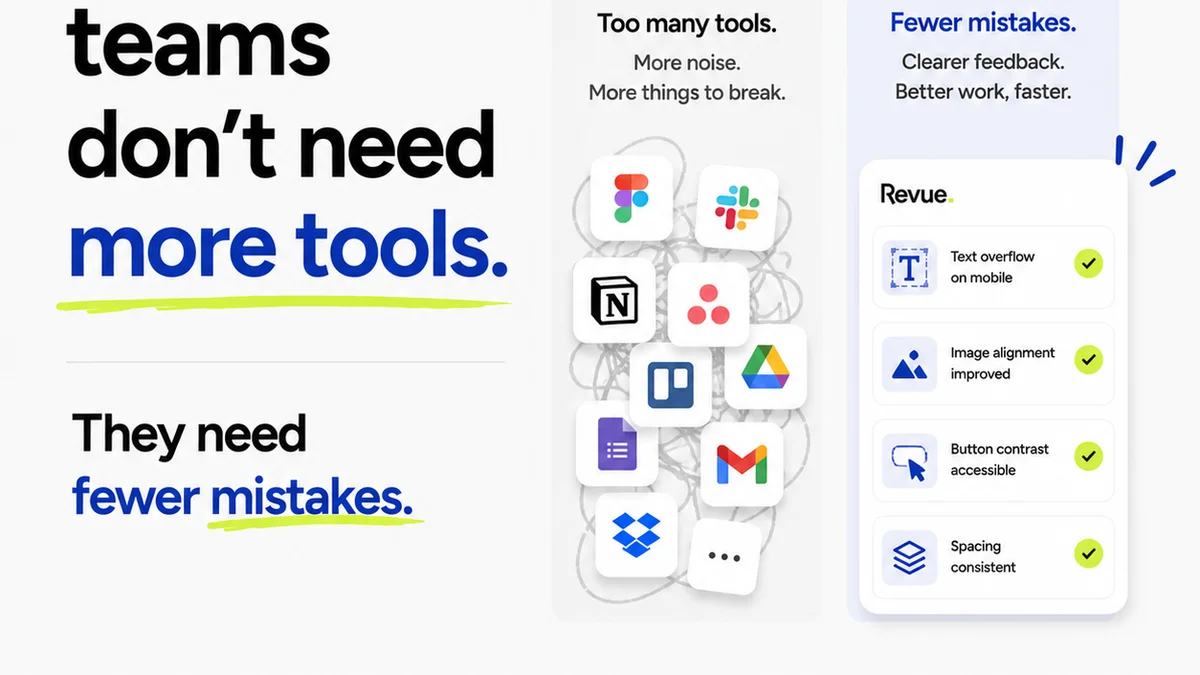
Everyone talks about automation. They say it’s about efficiency, speed, and cutting costs. For creative teams, especially large enterprise operations, this often translates to “faster approvals” and “fewer emails.”
None of that is wrong. But it’s incomplete.
The real automation for enterprise creative teams isn't about speeding up the existing chaos. It's about fundamentally re-engineering how feedback is collected, managed, and acted upon. It’s about building a system that prevents bottlenecks before they form, ensures quality at scale, and frees up your best people to actually *create*.
This isn't a software demo. This is a playbook for operational transformation.
1. The Hard Truth: Automation Isn't Just Software, It’s Workflow
The common assumption is that buying a tool equals automation. You get a new platform, plug it in, and voilà – efficiency. That’s a nice thought, but it rarely survives first contact with reality.
Real automation comes from understanding and optimizing your *entire* review workflow. It means mapping out every touchpoint, identifying every point of friction, and then applying technology strategically. It’s about process first, tool second.
For enterprise teams, this is critical. You're not a small shop with a handful of clients. You're juggling multiple large accounts, diverse stakeholders, and often, complex internal approval chains. A fragmented process, even with a shiny new tool, just creates new kinds of digital clutter.
Consider the sheer volume of assets moving through your department daily:
- Campaign creative for global markets
- Website updates across multiple regions
- Internal communications collateral
- Product launch assets
- Ongoing content marketing
Each of these has its own review path, its own set of stakeholders, and its own potential for miscommunication. Simply layering a new feedback tool over this existing complexity won't untangle it. It might even make it worse if the tool isn't integrated properly.
The Enterprise Bottleneck: Too Many Cooks, Too Little Clarity
Enterprise teams face a unique challenge: scale. More people means more opinions, more layers of approval, and exponentially more opportunities for feedback to get lost, misinterpreted, or ignored.
Think about a single campaign asset:
- Brand guardian review
- Legal compliance check
- Regional marketing lead approval
- Senior executive sign-off
- External agency feedback
If each of these stakeholders is sending feedback via email, Slack, or even sticky notes on a printout, you’ve already lost control. Where is the definitive version? Who provided the *final* instruction? What was the context behind that crucial tweak?
This isn't just inefficient; it’s a recipe for:
- Scope creep disguised as feedback
- Costly revisions based on outdated comments
- Damaged client relationships due to slow turnaround
- Demotivated creative teams stuck in revision purgatory
The operational truth is that without a structured, automated system, your enterprise team will always be fighting fires instead of driving strategy.
2. Designing Your Automated Review Ecosystem
True automation starts with designing the *right* system, not just implementing a piece of software. This means defining clear processes for every stage of the review cycle.
Define the Stages, Define the Roles
Every creative asset goes through a lifecycle. Map it out. For enterprise, this often looks like:
- Briefing & Kick-off: Clear objectives, scope, and deliverables.
- Creative Development: Internal ideation and production.
- Internal Review: First pass by project leads, ACDs, or department heads.
- Stakeholder Review: Feedback from clients or internal business units.
- Revision Cycle: Implementing agreed-upon changes.
- Final Approval: Sign-off from authorized parties.
- Quality Assurance: Final check for errors, brand consistency, and adherence to brief.
- Distribution/Deployment: Getting the asset live.
For each stage, you need to define:
- Who is involved? (Specific roles, not just names)
- What is their input? (Types of feedback expected)
- What is the deadline? (Clear SLAs)
- What is the output? (Actionable feedback, sign-off)
This clarity is the foundation of automation. Without it, you’re just automating confusion.
Centralize Feedback, Not Just Storage
A common mistake is thinking that a Digital Asset Management (DAM) system is enough. DAMs are great for organizing final assets, but they often fall short when it comes to the messy, iterative process of feedback and revision.
You need a system that lives *around* the asset during its creation. This means:
- Single Source of Truth for Feedback: All comments, annotations, and decisions for a specific version are in one place.
- Version Control with Context: Easily track changes between versions and understand *why* they were made.
- Clear Audit Trails: Who said what, when, and who approved it.
This centralization prevents the dreaded “reply all” storms and ensures that everyone is working from the most current information.
Automate the Notifications and Reminders
Even with the best intentions, people miss deadlines. Automated nudges are essential for keeping enterprise projects on track.
- Automated Reminders: Nudge reviewers as deadlines approach or pass.
- Notification Triggers: Alert the next stakeholder in line when a review is completed or approved.
- Escalation Paths: Automatically flag overdue reviews to project managers or account leads.
This isn’t about nagging; it’s about building a self-managing system that reduces the manual overhead of project management.
3. Implementing Review Automation at Enterprise Scale
Moving from a manual process to an automated one requires a strategic rollout, especially in large organizations.
Pilot Programs and Phased Rollouts
Don't try to change everything overnight. Start with a pilot program for a specific team or a key client.
- Select a willing team: Find a group that is open to new processes and eager for improvement.
- Define clear success metrics: What will you measure? (e.g., reduction in revision rounds, faster approval times, fewer errors).
- Gather feedback and iterate: Use the pilot to identify pain points and refine the process and tool configuration.
- Scale gradually: Once successful, roll out to other teams or departments, providing training and support.
This approach minimizes disruption and builds buy-in through demonstrated success.
Training and Change Management
Technology is only as good as the people using it. Enterprise automation requires robust training and a clear change management strategy.
- Onboarding for New Hires: Integrate the review process into your standard onboarding.
- Ongoing Training and Support: Offer refresher courses and readily available help resources.
- Champion Network: Identify power users within teams who can assist colleagues.
- Communicate the ‘Why’: Constantly reinforce the benefits of the new system for individuals and the organization.
Resistance to change is natural. Addressing it head-on with support and clear communication is key.
Integration is Non-Negotiable
An isolated automation tool is a half-measure. For enterprise, true efficiency comes from integration with your existing tech stack.
- Connect to Project Management Tools: Sync deadlines, tasks, and asset status.
- Integrate with Creative Software: Allow feedback directly within design tools where possible.
- Link to DAMs: Seamlessly move approved assets to your central repository.
- API Access: For custom workflows and bespoke integrations.
When your review system talks to your other tools, you eliminate redundant data entry and create a truly fluid workflow.
4. Where Revue Fits In
This is where the rubber meets the road. You need a platform that doesn't just facilitate feedback but actively manages and streamlines the entire review and approval process at scale.
Revue is built for this. It’s not just about comments on a PDF. It’s about creating a structured, automated environment for creative collaboration and quality control.
- Centralized Feedback Hub: All feedback, versions, and approvals for a project live in one place, accessible to all authorized stakeholders. No more hunting through emails.
- Configurable Workflows: Design multi-stage review processes that match your specific enterprise needs, ensuring the right eyes see the asset at the right time.
- Version Control and Audit Trails: Keep a clear history of every revision, every comment, and every sign-off, providing accountability and clarity.
- Automated Notifications and Approvals: Keep projects moving with smart reminders and clear approval gates, reducing manual follow-up and speeding up turnaround times.
- Quality Assurance Tools: Implement checklists and standardized review criteria to ensure brand consistency and catch errors before they go live.
Revue bridges the gap between creative work and operational efficiency, turning the complex process of review and approval into a predictable, manageable system. It allows enterprise teams to scale their creative output without sacrificing quality or sanity.
5. Final Thought
Automation in creative reviews isn't a futuristic dream; it's an operational necessity for enterprise teams that want to compete. The question isn't *if* you should automate, but *how* you will build a system that truly supports your teams and your clients.
Are you prepared to move beyond just faster approvals and embrace a workflow that drives genuine creative and operational excellence?
Frequently asked questions
What is the difference between review automation and just using a feedback tool?
Review automation is about optimizing the entire workflow, not just capturing feedback. It involves defining stages, roles, and using technology to manage the flow of assets and information, reducing manual intervention and bottlenecks. A feedback tool is just one component.
How can enterprise teams manage feedback from so many different stakeholders?
By centralizing all feedback and approvals within a single platform like Revue. This provides a clear audit trail, version control, and automated notifications, ensuring that all stakeholders can contribute efficiently and that the final decisions are easily tracked.
Is implementing review automation difficult for large teams?
It requires a strategic approach. Start with pilot programs, focus on clear training and change management, and prioritize integration with existing tools. A phased rollout minimizes disruption and builds confidence.
How does automation improve the quality of creative work?
By enforcing standardized review processes, implementing QA checklists, and ensuring all necessary stakeholders provide input. This reduces errors, maintains brand consistency, and ensures creative output aligns with strategic objectives, preventing costly mistakes.